
Why Bespoke Air Quality Solutions Make Sense for Different Building Types.
In today's era of mass production and off-the-peg solutions, a 'one-size-fits-all' approach is the preferred option in many sectors. This might seem practical for some applications, but when addressing the nuances of indoor air quality, especially in such diverse environments such as offices, factories, and hospitals, a blanket approach falls short. Ultra Protect, renowned for its expertise in air quality and dust management solutions, stands firm on the principle of tailored solutions. In this blog we will explain why.
1. Different Building Types Have Distinct Air Quality Needs.
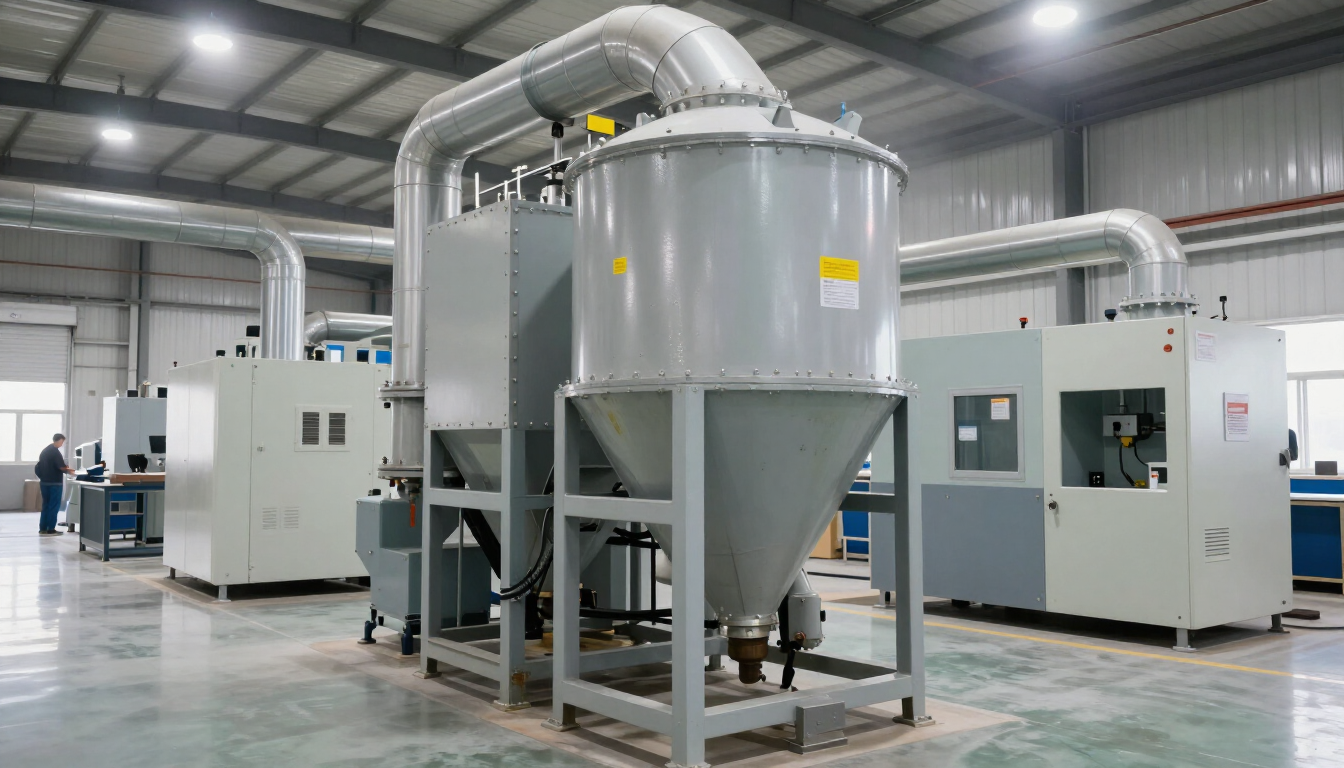
Different buildings come with their unique set of challenges. An open-plan office, for example, might predominantly deal with air circulation issues and dust, thanks to the vast expanse and presence of numerous office machines. In contrast, a manufacturing unit has its hands full with fumes, particulate matter, or chemical residues, demanding a unique solution.
Think of it this way: the precise requirements of a state-of-the-art laboratory, which has very stringent air purity parameters, would be vastly different from a popular restaurant in the centre of London. Customised solutions cater to the unique intricacies of each building, ensuring that the delivered air quality is not just good but optimal.
2. The Real Value of Cost-Effectiveness.
The initial cost benefits of off-the-shelf solutions can be appealing, however, a generic air purification system that has not been tailored to a building's requirements might be ineffective (leading to unresolved health issues and plummeting productivity levels) or excessively powerful (which could translate to wasted energy and inflated utility bills). The customised air purifying solutions, by Ultra Protect, ensure that the correct air purification system suits the requirements of the building. By designing systems to match exact building requirements, both health and financial benefits are secured.
Some of Ultra Protects Air Purifiers
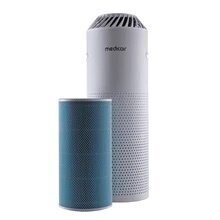
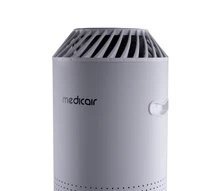
MedicAir Pro Air Purifier
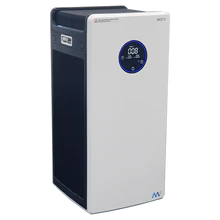
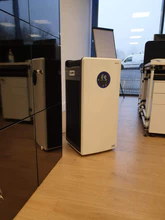
Maxvac Air Purifier Medi 8
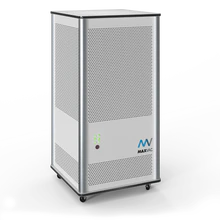
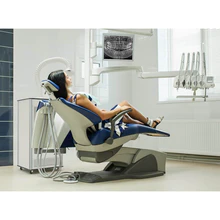
Maxvac Medi 10
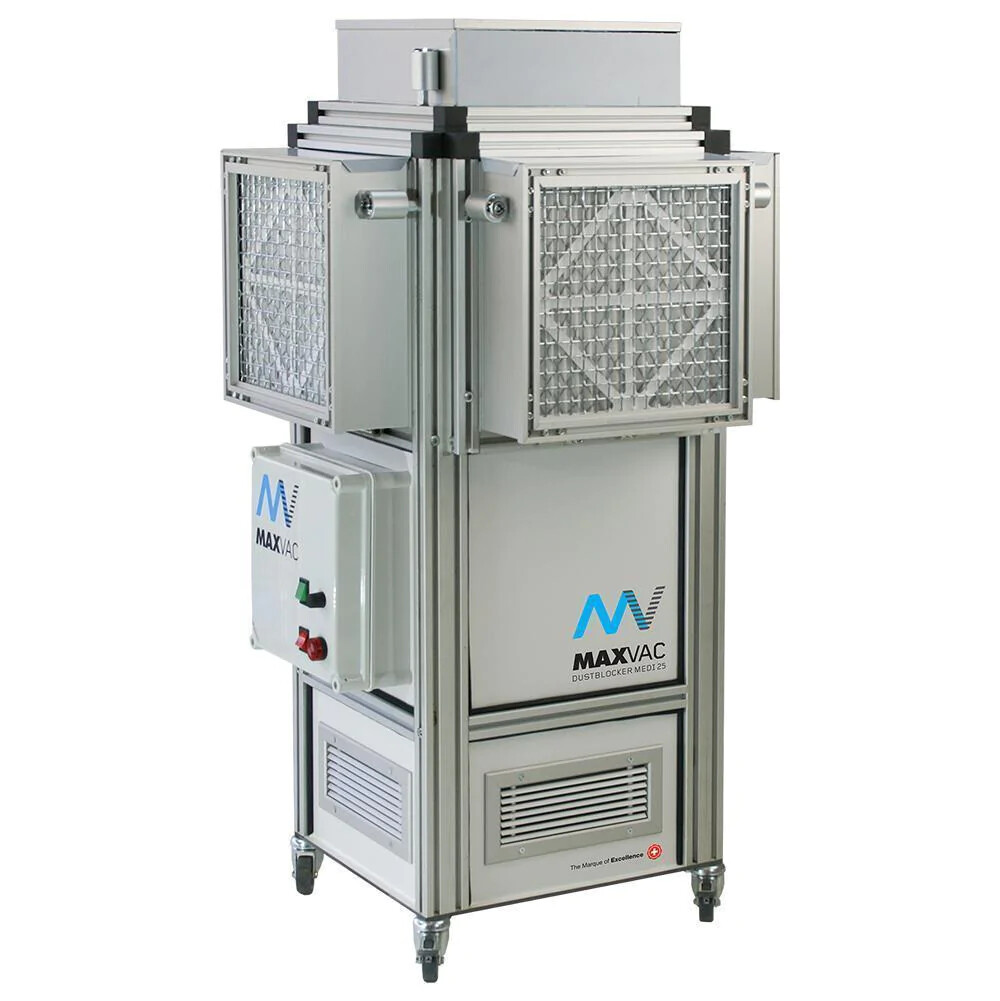
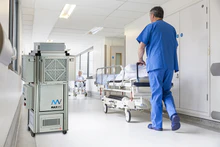
Maxvac Medi 25
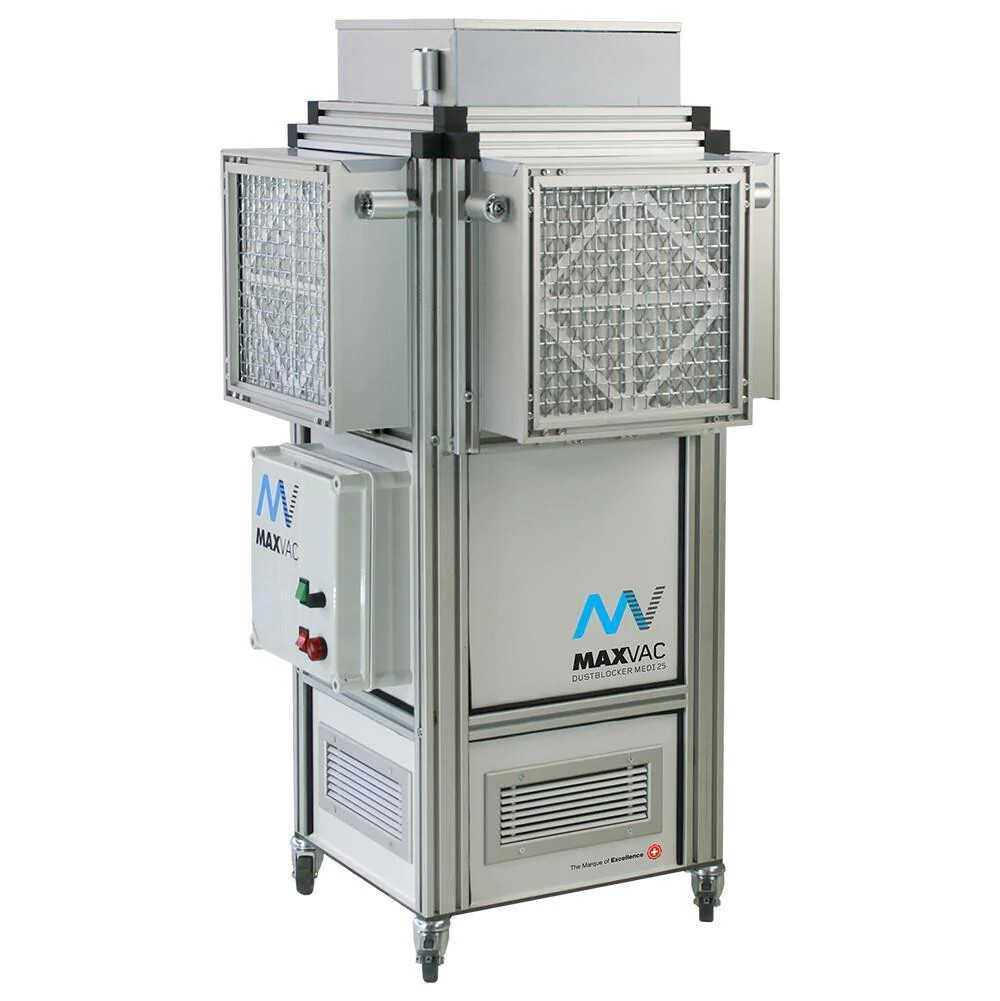
Maxvac Medi 40
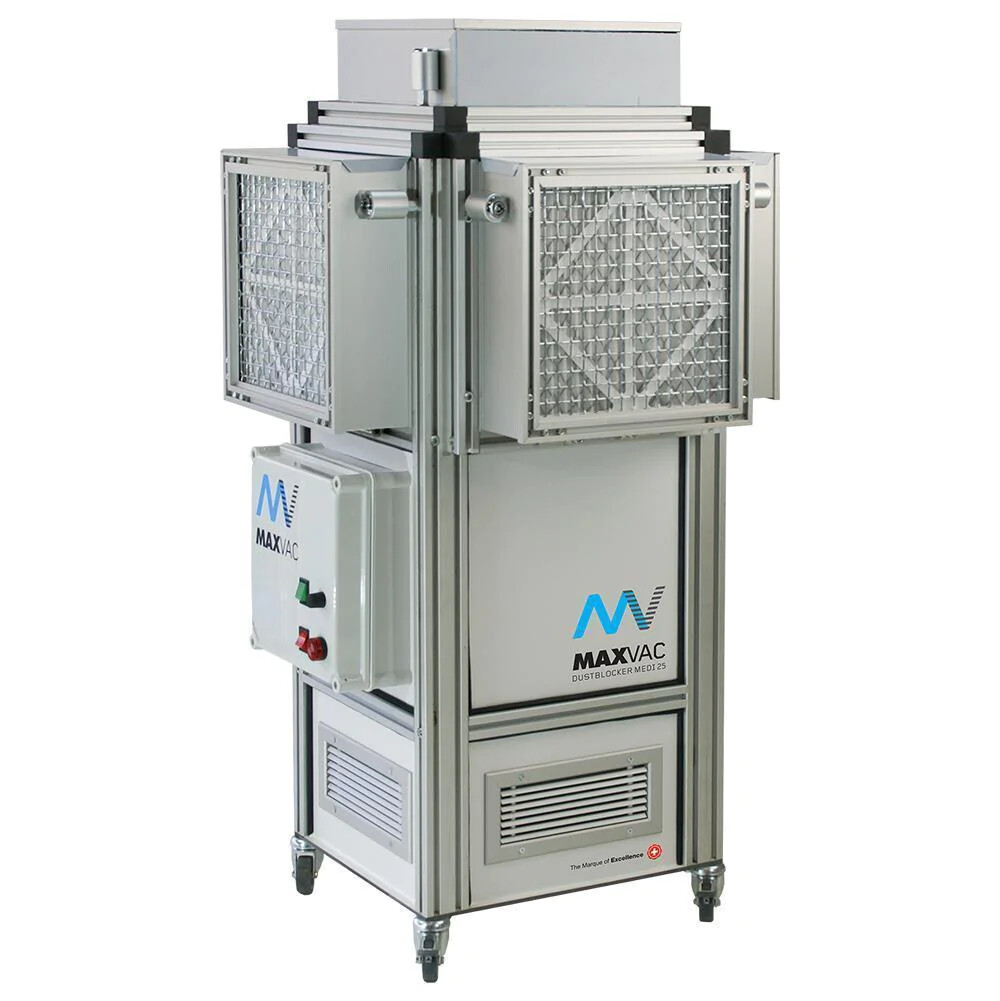
Maxvac Medi 60
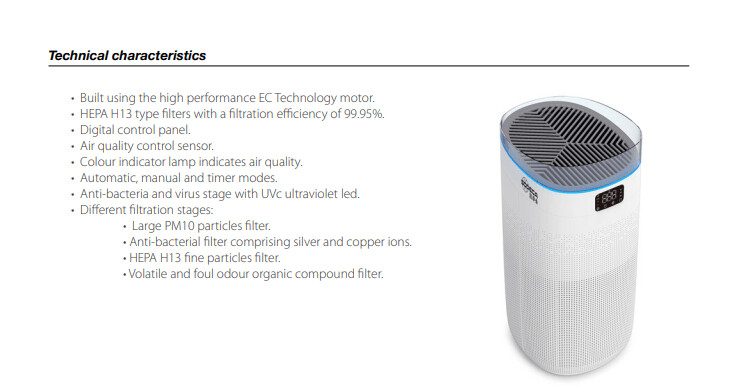
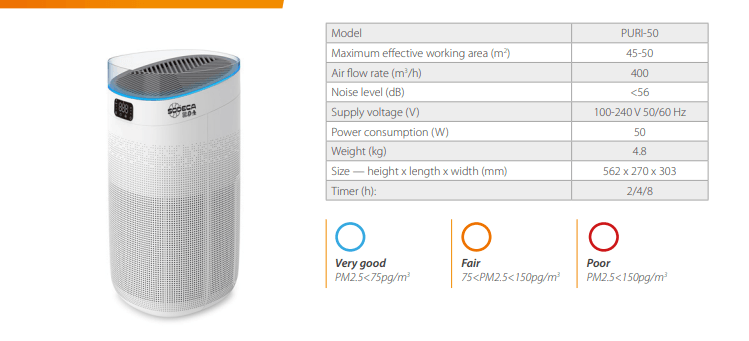
Pura 50
3. Tackling Specific Air Quality Challenges Head-On.
Every location faces its unique set of air quality challenges. A building adjacent to open parkland might contend with pollen, while another situated in a bustling urban hub might struggle with vehicle emissions. With a customised approach, solutions are tailored to address and neutralise these very specific challenges rather than merely applying a broad-spectrum solution and hoping for the best.
4. The Advantage of Adaptability
Change is the only constant. A growing start-up today may have many more people located in their offices in a few months or a year's time. Or an established business might diversify, altering its internal environment. Bespoke air quality solutions are not static; they are designed to adapt. Whether it is integrating new features, adjusting to a modified space, or accommodating increased operational demands, tailored solutions ensure that air quality remains uncompromised.
5. Navigating Regulatory Compliance and Ensuring Safety
Navigating the maze of industry-specific regulatory standards for air quality can be daunting. An off-the-peg solution might inadvertently overlook a critical compliance aspect, opening up the business to potential legal repercussions. Bespoke solutions, on the other hand, are crafted with these industry-specific standards at their core, ensuring businesses remain compliant and, importantly, that the health and safety of everyone within is prioritised.
6. The Role of Expertise in Crafting Solutions
Crafting an effective bespoke solution requires expertise. Here at Ultra Protect, our experience in the field, combined with a deep understanding of diverse environments, positions us as a leader in creating tailored solutions. This expertise translates to not just any solution, but the right one.
Conclusion
Ensuring air quality is not merely about purchasing and installing a purification system. It is a comprehensive endeavour that demands understanding, expertise, and a tailored approach. Ultra Protect, with its unwavering commitment to delivering bespoke air quality and dust control solutions, recognises and addresses the multifaceted nature of this challenge. Because when it comes to the air we breathe, a one-size-fits-all approach is hardly the answer.
Follow the link to find out more about our air purifying systems.
Book your air quality assessment