
Although dust collectors and extractors sound relatively similar, their functionality, application, and benefits are distinctive. This article reviews the principal differences between these two dust control options to help you determine which one best suits your needs.
What Is a Dust Collector?
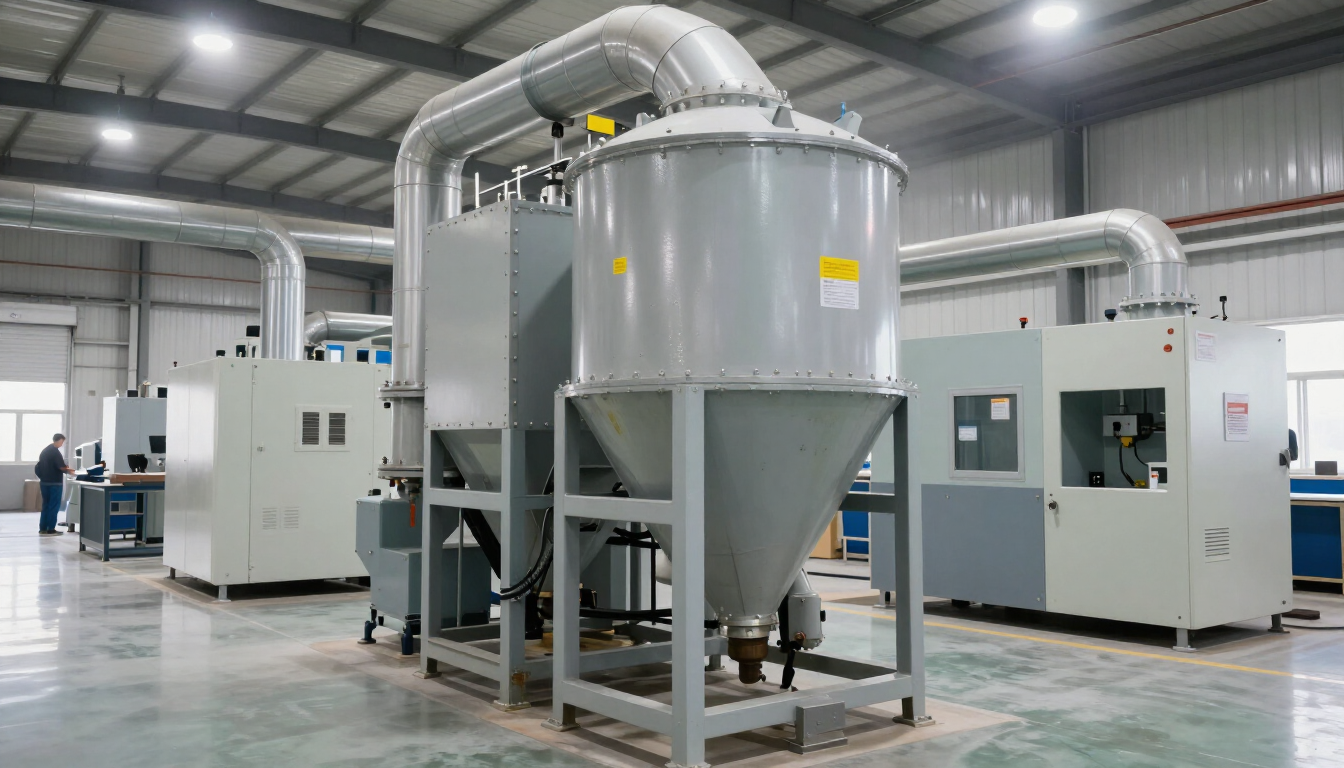
Dust collectors often capture, filter, and store dust and fine particles from industrial or commercial air. These dust management systems are most commonly used in factories, woodworking shops, and manufacturing plants.
Best Uses for Dust Collectors
Dust collectors are ideal for large-scale operations where continuous dust control is needed, such as:
- Woodworking shops that produce sawdust from multiple machines.
- Metal fabrication industries where grinding, sanding, and cutting create airborne dust.
- Chemical and pharmaceutical plants that require fine particle filtration.
The Fundamental Components of a Dust Collector
- Capture Point: Placed near dust-generating machines.
- Ducts: Transports dust to the collector's core unit.
- Filtration System: Captures fine, airborne particles.
- Collection Bin: Stores dust for disposal.
Types of Dust Collectors
- Cyclone Dust Collectors: Use centrifugal force to separate large dust particles before separating finer particulates.
- Baghouse Collectors: Use a baghouse filter bag to trap dust while clean air passes without obstruction.
- Cartridge Collectors: These dust collectors have built-in pleated filters that act as a highly effective filtration system.
What Is a Dust Extractor?
Dust extractors are mobile devices that use powerful extraction to remove dust, debris, and fine particles directly from dust-generating sites. Designed for industrial usage, they're ideal for workshops, construction sites, and smaller workspace applications.
Because they operate by removing dust directly from the source, dust extractors are great at preventing airborne particles from continuously circulating.
Best Uses for Dust Extractors
Industrial dust extractors are best suited for portable and localised dust control, such as:
- Construction sites to extract dust from cutting, drilling, and grinding.
- Carpentry and joinery workshops where precision tools create fine dust.
- Automotive workshops for sanding and polishing tasks.
The Fundamental Components of a Dust Extractor
- Suction Hose: Connects extractor to power tools or workstations.
- Motor Unit: Generates airflow to extract dust.
- Filtration system: Pulls in fine dust and releases clean air.
- Dust Canister: Stores extracted dust for easy disposal.
Types of Dust Extraction Systems
- Single-stage Extractors: These are the most commonly used extractor models that collect dust in a bag or container.
- Dual-stage Extractors: Use a pre-separator to capture large debris before finer filtration.
- HEPA Dust Extractors: Use HEPA filters to retain ultrafine dust particles. They assist healthcare institutions like GPs and hospitals in complying with health regulations.
Key Differences Between Dust Collectors & Dust Extractors
Whether it’s heavy-duty extraction or industrial dust collection, understanding the difference will help you find the right system to achieve maximum efficiency, better safety, and compliance in your workplace.
| Feature | Dust Collector | Dust Extractor |
|---|---|---|
| Size & Design | Large, stationary system | Compact, portable unit |
| Filtration | Multi-stage filtration for large volumes | High-efficiency filtration for finer dust |
| Application | Industrial-scale dust management | Localised and tool-specific dust control |
| Mobility | Fixed installation with ductwork | Portable and easy to move |
| Best Use Cases | Factories, large workshops | Small workshops, construction sites |
| Capacity | High-capacity, long-term dust storage | Limited capacity, requires frequent emptying |
Choose a Dust Collector if:
- You're managing large-scale dust production across different types of machinery.
- Your workspace is in a fixed industrial or commercial setting.
- You require continuous dust collection over more extended periods.
- Your industrial processes generate ultrafine airborne dust.
- You need multi-stage filtration.
Choose a Dust Extractor if:
- You are in a small workshop, a job site, or an area under construction.
- You need portable and tool-specific dust extraction.
- Your primary concern is controlling fine dust at the source.
- You require HEPA filtration for health-sensitive environments.
Unsure and require expert guidance? Ultra Protect offers bespoke assessments and dust reports. We can assist with dust management concerns, from training to products and strategies.
Types of Dust These Systems Can Help With
The type of dust present in a workspace can impact health, equipment performance, and even compliance with regulations; as such, it's necessary to choose the right system for efficient dust control in workplaces.
Fine Dust
When frequently inhaled due to continuous exposure, fine dust from sanding, grinding, polishing, cutting, and general metalworking can lead to lung damage and long-term respiratory diseases.
HEPA dust extractors are particularly efficient in capturing fine airborne particles, and high-efficiency dust collectors with multi-stage filtration can control larger-scale fine dust production.
Coarse Dust
Woodworking, stone cutting, and concrete work produce larger, coarser dust particles. Coarse dust settles faster than its ultrafine counterpart and can damage equipment if proper control methods aren’t put in place.
Cyclone dust collectors are perfect for coarse dust, utilising centrifugal action to separate larger particles before filtration.
Metallic Dust
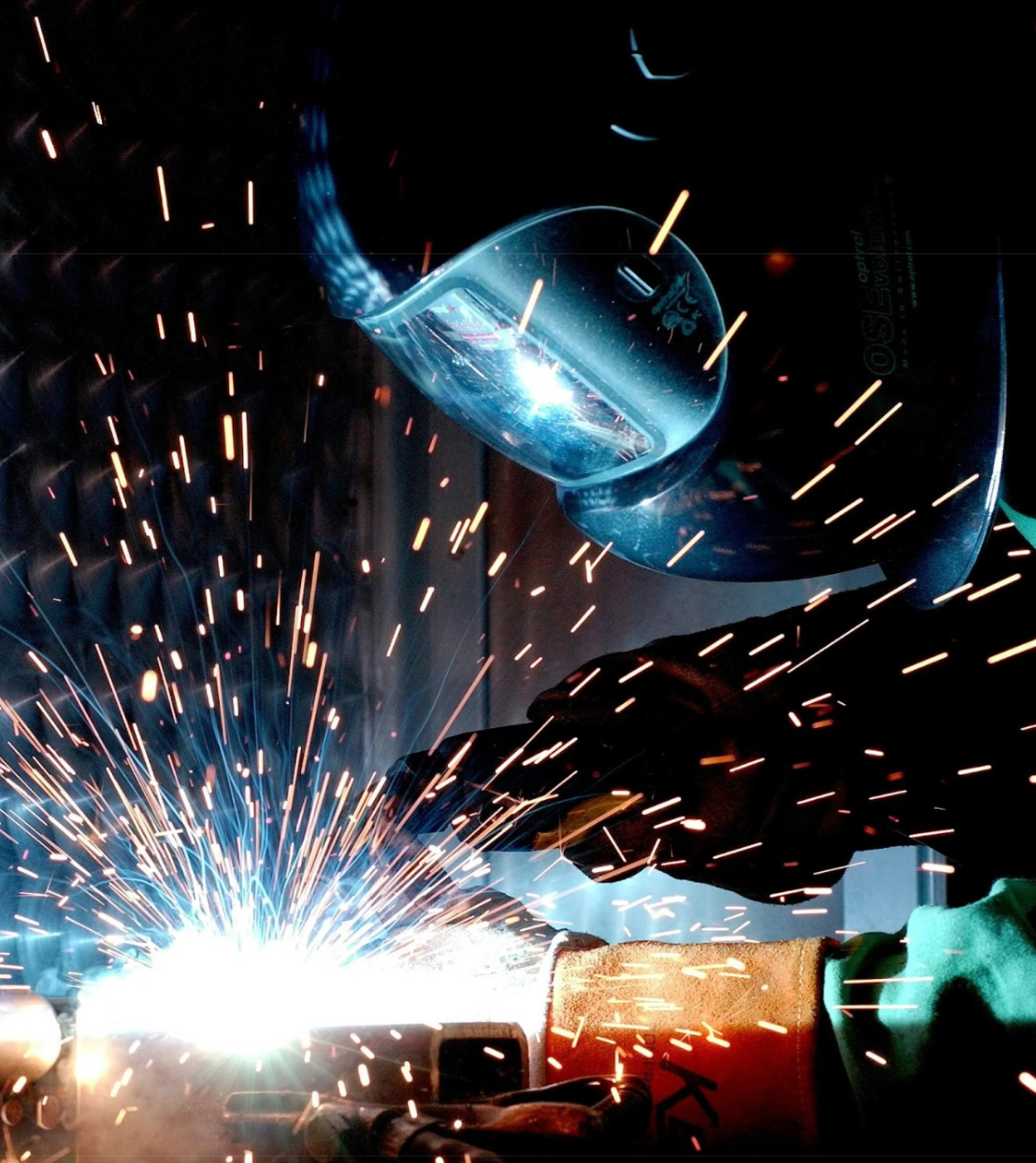
Metallic dust particles created during welding, grinding, and fabrication can be injurious as they can ignite sparks. Under health and safety guidelines, proper extraction and filtration efforts should be implemented to prevent the build-up of metallic particles from being airborne in the workplace.
Cleaners fitted with spark arrestors and dust collectors with fireproof filtration systems are a strategic choice for managing metallic dust.
Hazardous Dust
Comprising of silica, asbestos, and toxic chemical byproducts within construction, demolition, and industrial manufacturing, exposure to hazardous dust can cause severe long-term health conditions, making compliance with workplace safety regulations highly necessary. HEPA-fitted dust extractors work very well in capturing and containing hazardous dust, preventing exposure and safeguarding health.
Ultimate Protection & Superior Dust Management
Each dust extraction system plays an indispensable role in keeping the air quality clean and ensuring workplace safety. Knowing the key differences between them will help you determine the proper solution for your needs.
Would you like help choosing the right dust control systems for your business? If so,
contact Ultra Protect today for industry-leading
dust management solutions, and let's get your workplace on the path to being dust-free.