
If your workplace generates dust, fumes, mist or vapour as part of the job, whether that is wood dust from cutting, welding fume, or solvent vapour from a spray booth, chances are you already rely on local exhaust ventilation, or LEV, to keep the air breathable. Understanding what LEV actually is, why it needs regular testing, and what a test involves, is not just good practice, it is a legal duty under UK health and safety law. This guide covers the basics in plain English, along with the testing requirements every employer with an LEV system needs to know.
How Local Exhaust Ventilation Works
Local exhaust ventilation is an engineering control designed to capture airborne contaminants at, or very close to, the point where they are created, before they have a chance to spread into the wider workplace and be breathed in by workers. Rather than trying to clean an entire room's air, which would require a large airflow system, LEV targets the problem right at the source to maximise its performance.
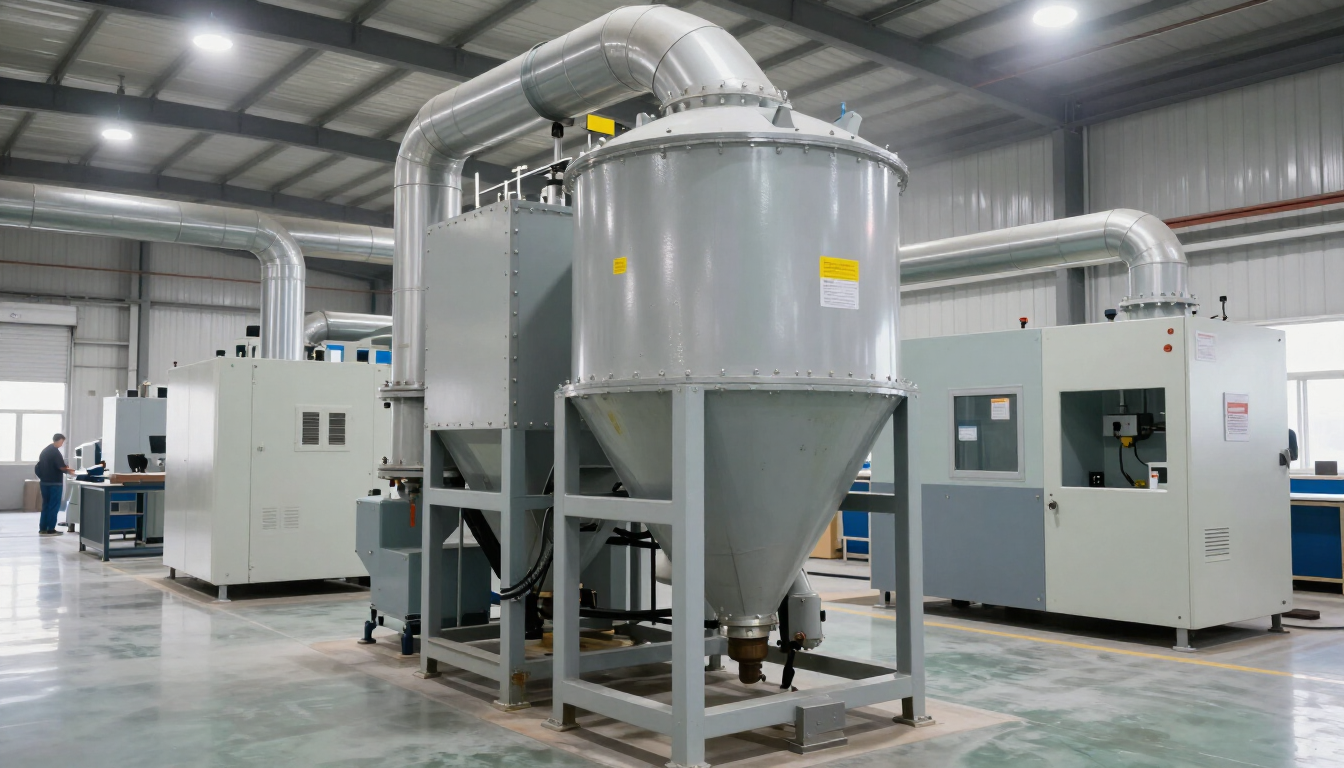
A typical system is made up of a hood or capture point positioned near the task, ducting that carries the contaminated air away, an air mover such as a fan to keep the air flowing, and often a filter or arrestment stage before the air is discharged or recirculated. Each part has to be matched correctly to the others, since a badly sized duct or an underpowered fan will undermine even a well designed hood and put a workers health at risk.
Common examples include extraction arms over welding benches, downdraft tables for grinding and sanding, extraction hoods on woodworking machinery, and full spray booths used in vehicle refinishing or furniture finishing. In every case, the goal is the same: capture the contaminant before it reaches the worker's breathing zone.
Where LEV Is Used and Why It Matters
LEV is used across a wide range of industries wherever a process releases something harmful into the air, and the type of system varies considerably depending on what is being controlled.
Common Industries and Processes
Woodworking, welding and metal fabrication, vehicle repair and spray painting, pharmaceutical and laboratory work, construction tasks involving cutting or grinding, and food production are all sectors where LEV is a standard and often essential control measure, alongside many others handling powders, solvents or fumes.
The Health Risks LEV Is Designed to Control
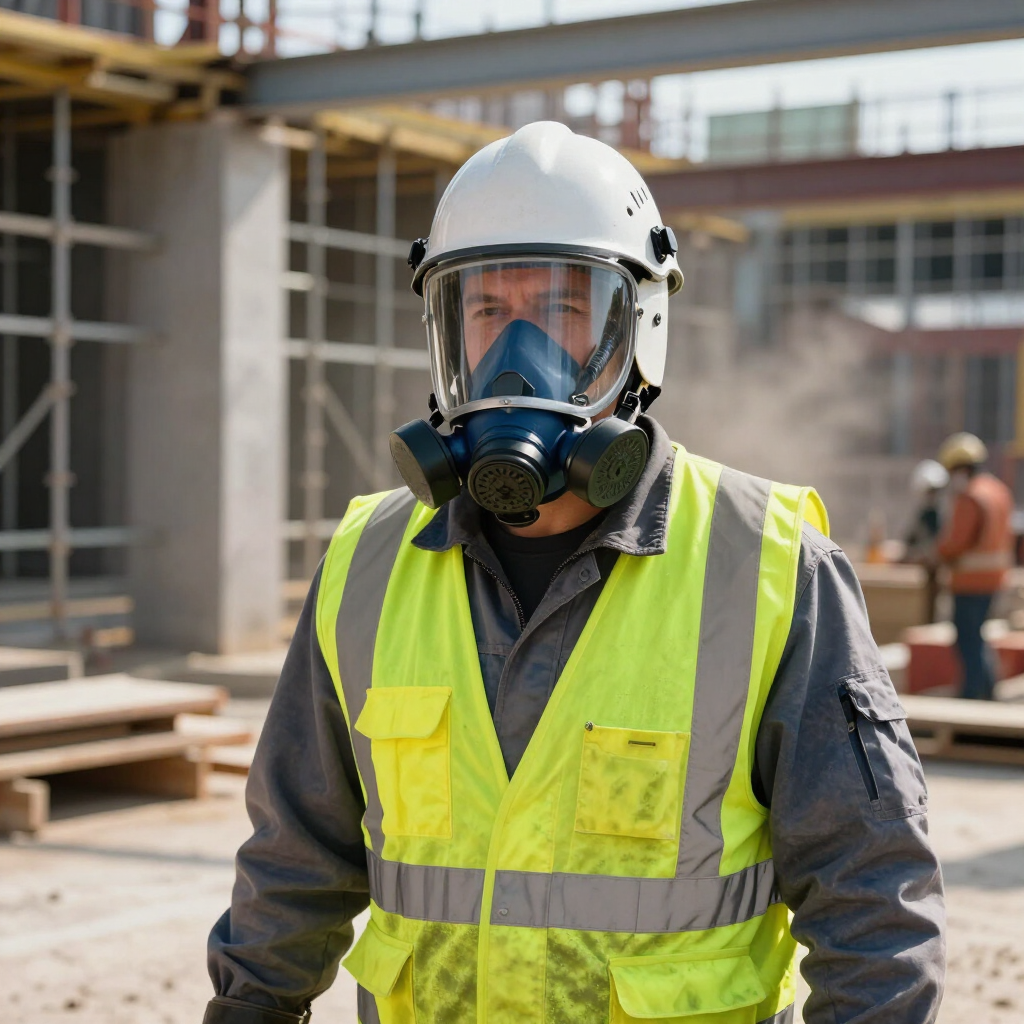
Without effective extraction, workers can be exposed to substances linked to occupational asthma, chronic obstructive pulmonary disease, and in the case of substances like respirable crystalline silica or wood dust, occupational cancers. These are not abstract risks. The Health and Safety Executive has repeatedly highlighted occupational lung disease as one of the leading causes of work related ill health in Great Britain, which is exactly why LEV performance is treated as a legal, not just a practical, matter.
LEV Testing: The Legal Requirements in the UK
Where LEV is used to control a substance hazardous to health, the Control of Substances Hazardous to Health Regulations(COSHH) place a clear legal duty on employers. Regulation 9 requires that any control measure, including an LEV system, is maintained in an efficient state, in efficient working order, in good repair, and in a clean condition.
This duty goes beyond routine maintenance. HSE guidance on local exhaust ventilation sets out that systems must also undergo a thorough examination and test, carried out by a competent person, to confirm the system is actually performing to the standard it was designed for, not just that it switches on and appears to run.
Records of every test, along with details of any repairs carried out as a result, must be kept for at least five years. If an HSE inspector visits and asks to see LEV records, the absence of a logbook or test history is treated as a compliance failure in its own right, regardless of how the system happens to be performing on the day.
How Often Does LEV Need Testing
The standard legal minimum is a thorough examination and test at least once every 14 months, but this is a maximum interval, not a target, and some processes require testing far more frequently.
- Most general LEV systems: at least every 14 months
- High risk processes listed under COSHH Schedule 4, such as certain processes involving specified substances: as frequently as every 1 or 6 months
- Newly installed or modified systems: tested and commissioned before first use, to establish a performance baseline
- Systems that have undergone significant repair: retested to confirm the fix has restored performance
Because the correct interval depends on the substance and process involved, it is worth confirming the applicable frequency with a competent LEV engineer rather than assuming the standard 14 month cycle automatically applies.
What Happens in an LEV Test
A thorough examination and test is a structured, technical process, not a quick visual glance at the equipment, and it typically takes place in two stages.
Before the Test: Documentation and Logbook Checks
A competent engineer will first review the system's logbook, commissioning report and any previous test results. This establishes what the system's performance should look like, so that measurements taken on the day can be compared against a genuine baseline rather than a guess.
On the Day: Measurements and Inspection
The engineer then physically inspects hoods, ducting, filters and the air mover for damage, wear, blockages or leaks, and takes airflow and pressure measurements at key points in the system. Capture velocity at the hood is checked against the original design specification, since this is what determines whether contaminants are actually being pulled away from the worker rather than drifting past the extraction point.
What Happens If Your LEV System Fails a Test
If a system falls short of its required performance, the engineer will identify the likely cause, whether that is a blocked filter, a damaged duct, a worn fan belt, or a hood that has been moved or modified since installation. Minor issues can often be corrected quickly, while more significant problems may require parts replacement or a partial redesign.
A failed test is not simply a piece of paperwork to file away. Continuing to use a system known to be underperforming, without taking action, leaves an employer exposed both to the health risk itself and to enforcement action, so remedial work should be treated as a priority rather than something to schedule for a convenient later date.
Frequently Asked Questions
Is LEV testing a legal requirement or just good practice?
It is a legal requirement under COSHH Regulation 9 wherever LEV is used to control a substance hazardous to health, not simply a recommendation.
Who is allowed to carry out an LEV thorough examination and test?
The test must be carried out by a competent person with the appropriate training and experience, often demonstrated through recognised qualifications such as BOHS P601.
What happens if I cannot find my previous LEV test records?
Missing records make it harder to establish a performance baseline and are themselves a compliance gap. A new commissioning style assessment may be needed to re-establish the system's expected performance.
Does a new LEV system need testing before it is used?
Yes. New or modified systems should be commissioned and tested before first use to confirm they perform as designed, rather than waiting until the next scheduled 14 month test.
Book Your LEV Test with Ultra Protect
If it has been a while since your local exhaust ventilation was last checked, or you are unsure whether your current testing interval is correct, Ultra Protect can help. Explore our dust management assessments and RCS silica sampling services, or find out more about our approach to ventilation and air quality compliance. Get in touch or call 0800 644 6605 to book a thorough examination and test.