
Dust is one of the most underestimated health hazards in UK workplaces, and yet many employers are unsure whether they are legally required to assess it at all. A dust risk assessment is often the first step towards understanding, and controlling that risk properly.
The short answer, is that if your workplace generates dust as part of its normal activities, from construction and demolition to woodworking or food processing, you almost certainly have a legal duty to assess and manage that exposure under UK health and safety law.
This guide explains when a dust risk assessment is required, what the process actually involves, and roughly what it costs to have one carried out professionally.
When a Dust Risk Assessment Is Legally Required
Under the Control of Substances Hazardous to Health Regulations, commonly known as COSHH, employers have a legal duty to assess and control exposure to hazardous substances in the workplace, and this explicitly includes many types of dust.
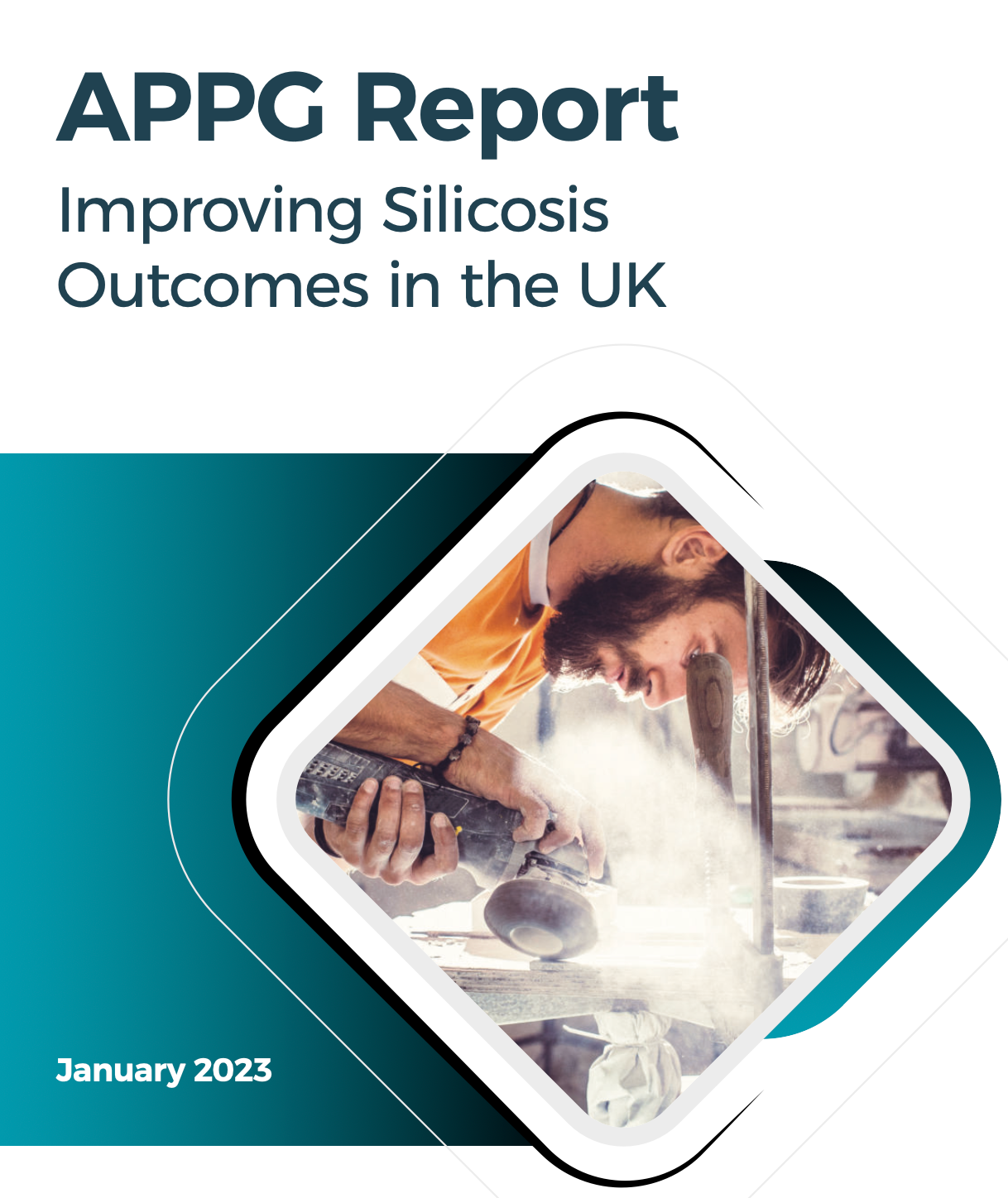
This applies particularly strongly to industries such as construction, quarrying, woodworking, stone and any process involving cutting, grinding or demolition, where respirable crystalline silica and other harmful dusts are commonly generated.
Even workplaces that do not immediately think of themselves as "dusty," such as schools, offices with heavy footfall, hospitality venues, and of course warehouse storage facilities can have air quality issues worth assessing, particularly around ventilation and general indoor air quality.
Companies or organisation that are serious about driving forward Dust Control, Dust Management, Dust Visibility, Health Improvements through dust exposure will need to understand their dust state of play. This is what a Dust Risk assessment will achieve, clearly providing an action plan based upon the risk factor.
Who Is Most at Risk
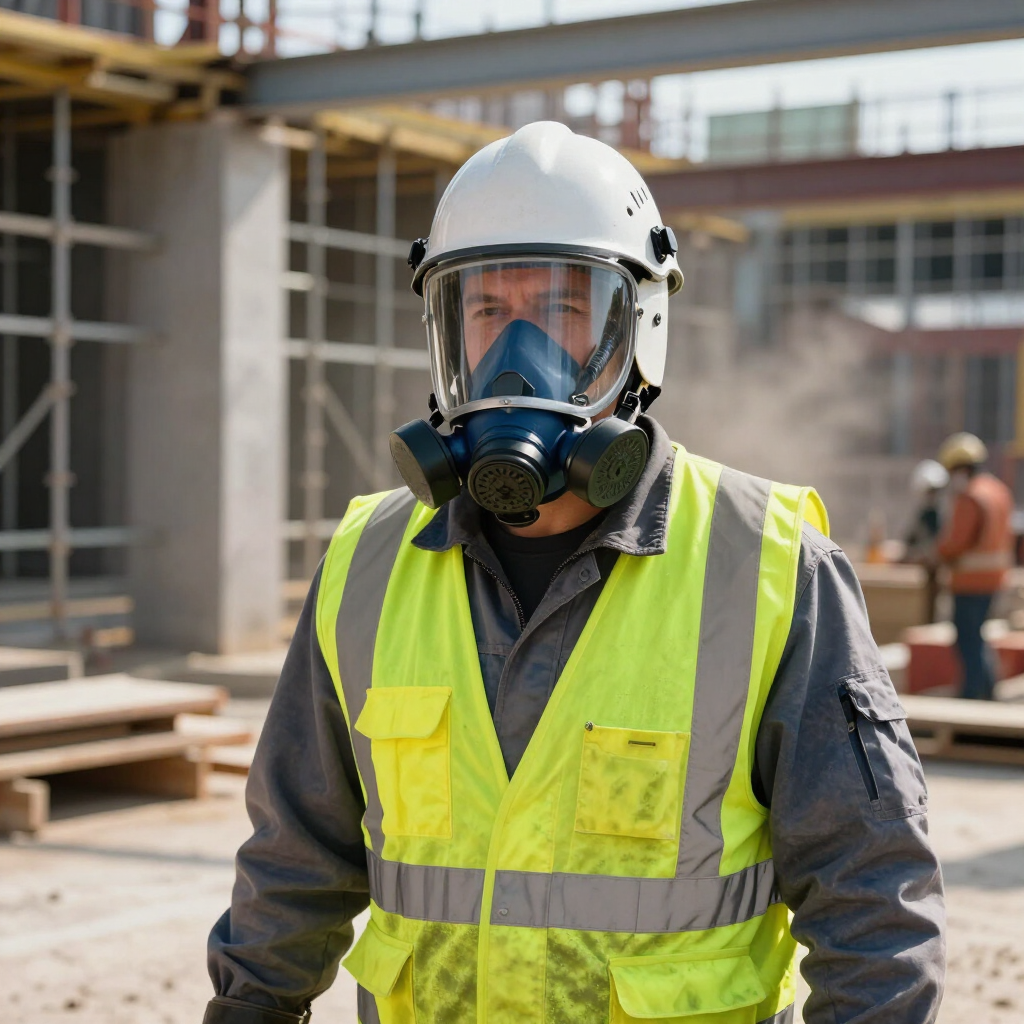
Construction, demolition, quarrying, woodworking, stone, foundries and food processing are among the sectors with the highest known dust exposure risks, often involving fine particles that penetrate deep into the lungs, known as respirable dust.
Workers who do not appear to be in obviously dusty roles can still face meaningful exposure, particularly where ventilation is poor or where dust from one process drifts into shared working areas.
What Happens If You Don't Assess the Risk
Failing to carry out a required assessment can expose a business to enforcement action from the HSE, including improvement notices, prosecution, and reputational damage, alongside the very real risk of harming employees' long-term health.
Beyond compliance, unmanaged dust exposure contributes to serious conditions such as silicosis and occupational asthma, conditions that develop over years and are frequently irreversible once established.
What a Dust Risk Assessment Actually Involves
A professional dust risk assessment typically begins with a site visit to observe processes, identify dust sources, and understand existing control measures already in place.
This is usually followed by air sampling or monitoring to establish actual dust concentrations against Workplace Exposure Limits, giving you concrete data rather than guesswork about the scale of the problem.
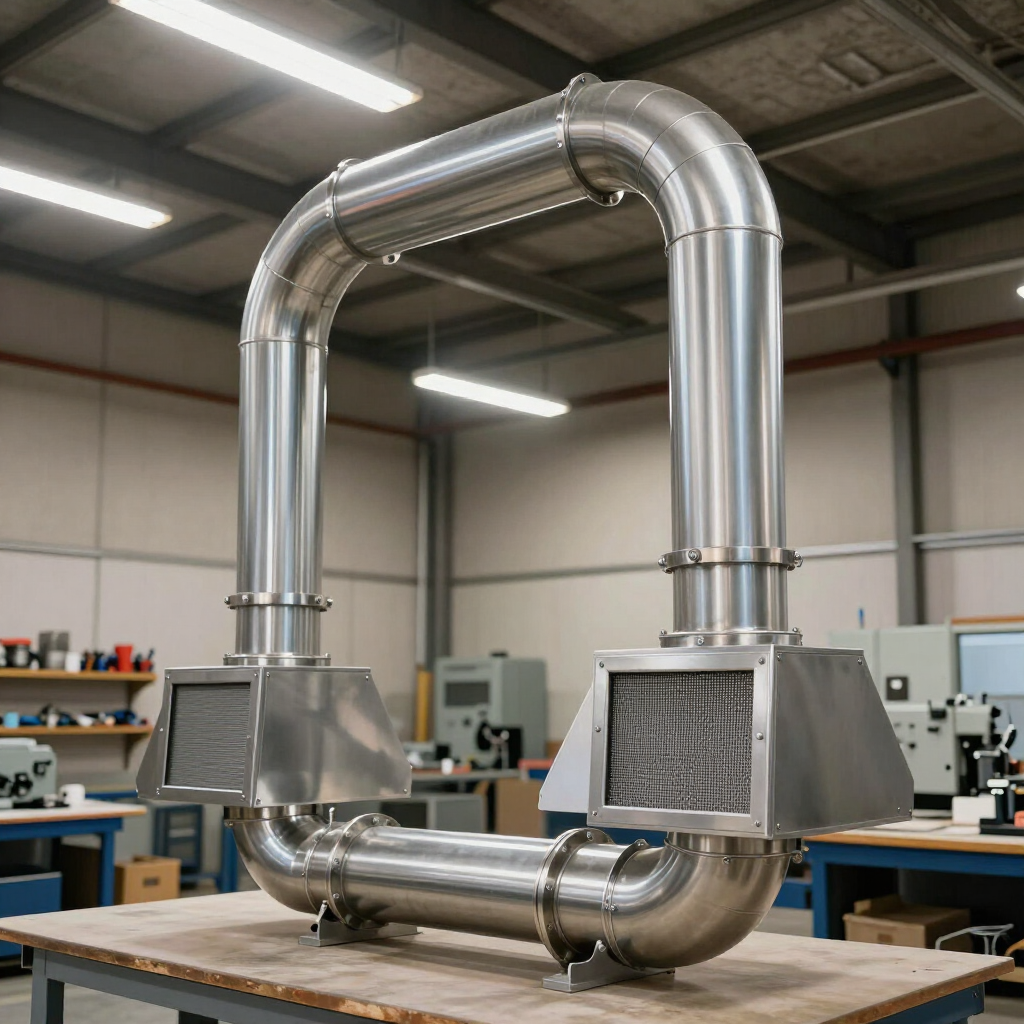
The assessment then identifies specific risks by task and area, before recommending practical control measures, ranging from improved extraction and ventilation to changes in working practices or personal protective equipment.
A thorough dust risk assessment typically covers:
- A site visit to observe processes and existing controls
- Air sampling or monitoring to measure actual dust concentrations
- Identification of specific high-risk tasks and areas
- Recommendations for practical, proportionate control measures
- A written report suitable for demonstrating compliance
How Much Does a Dust Risk Assessment Cost in the UK?
Costs vary considerably depending on the size of the site, the number of processes assessed, and whether air sampling is included alongside the general visual assessment.
For a small to medium site with a straightforward process, a dust management assessment might cost a few hundred pounds, while larger sites with multiple processes and more detailed sampling requirements will naturally cost more.
It is worth viewing this cost against the potential expense of enforcement action, lost productivity from ill health, and the far higher long-term cost of dealing with occupational disease claims down the line.
Getting an Accurate Quote
The most reliable way to understand cost is to describe your specific site and processes to a specialist provider, since a one-size-fits-all price rarely reflects the reality of different industries and site layouts.
Ultra-Protect offers straightforward quotes based on your specific circumstances, so you know exactly what is included before committing to a dust risk assessment.
Frequently Asked Questions
Is a dust risk assessment a legal requirement for all businesses?
Any workplace where dust is generated as part of normal activities has a legal duty under COSHH to assess and control that exposure. The scale and detail of the assessment required depends on the level of risk involved.
How often should a dust risk assessment be carried out?
There is no single fixed interval, but assessments should be reviewed whenever processes, equipment or working practices change significantly, and periodically even without changes, to ensure controls remain effective.
What happens after the assessment is complete?
You will receive a written report identifying risks and recommending control measures. From there, most businesses work with a specialist to implement improvements and, where needed, arrange ongoing monitoring to confirm those measures are working.
Conclusion
A dust risk assessment is not just a compliance box to tick. It gives you a clear, evidence-based picture of the risks in your workplace and a practical path towards protecting your workforce's long-term health.
Ultra-Protect brings over 35 years of experience in dust management and air quality, helping businesses across the UK understand and control their dust risks properly.
If you are unsure whether your workplace needs a dust risk assessment,
contact Ultra-Protect today to discuss your specific site and processes.