
If you're responsible for health and safety in your workplace, you've probably encountered the terms "workplace exposure level," "TWA," and "STEL." But what do they actually mean, and why do they matter for dust management?
The simple answer: these are legal limits set by the Health and Safety Executive (HSE) to protect workers from harmful dust exposure. If you're not monitoring them, you're flying blind and potentially breaking the law.
What is Workplace Exposure Level?
A workplace exposure level (WEL) is the maximum amount of a harmful substance that a worker can be exposed to during their working day without suffering adverse health effects. For dust, it's measured in milligrams per cubic metre of air (mg/m³).
The HSE sets these limits based on scientific evidence about how different dust types affect human health. Different dusts have different exposure limits because they pose different risks. For example, the WEL for respirable crystalline silica is far stricter than for general inert dust, because silica is significantly more harmful to the lungs.
Think of it this way: the WEL is your compliance baseline. However,
being below a WEL does not by itself discharge the COSHH duty.
Download the HSE's guidance on workplace exposure limits
If you want to understand the levels in your workplace contact us about our silica air sampling services
TWA: The 8-Hour Average
TWA stands for Time-Weighted Average, and it's the most commonly referenced exposure limit. The TWA measures the average concentration of a substance over a standard 8-hour working day.
Here's why that matters: dust exposure isn't constant. Workers might face high concentrations during certain activities (cutting, grinding, demolition) and lower concentrations during others. The TWA accounts for these fluctuations by averaging them out over the full shift. This recognises that workers can tolerate brief periods of higher exposure, provided the average stays within acceptable limits.
For example, the current WEL for respirable crystalline silica is 0.1 mg/m³ as an 8-hour TWA. This means that if a construction worker is grinding stone for part of their shift but doing lower-dust tasks for the rest, the daily average should not exceed this level.
The advantage of TWA is that it's practical for real-world work. Few jobs maintain constant dust levels. The disadvantage is that it can mask dangerous peaks, if a worker is exposed to very high concentrations for a short period, the TWA might still look acceptable.
STEL: The Short-Term Exposure Limit
STEL stands for Short-Term Exposure Limit, and it's your safety net for peak exposures. A STEL is the maximum concentration a worker should experience during any 15-minute period in a working day, and no more than four such periods should occur, with at least 60 minutes between them.
The STEL exists precisely because the TWA can obscure dangerous peaks. Imagine a worker exposed to very high silica dust for 15 minutes whilst cutting stone, then lower levels for the rest of the day. The TWA might be within limits, but those 15 minutes could still cause significant lung damage. There should be a maximum of 4 STEL's in a single working day and there must be at least 60-minutes between each STEL period.
Not all dusts have a STEL, but those that do (like respirable crystalline silica) reflect a recognition that short, intense exposures carry genuine health risks that the 8-hour average doesn't capture.
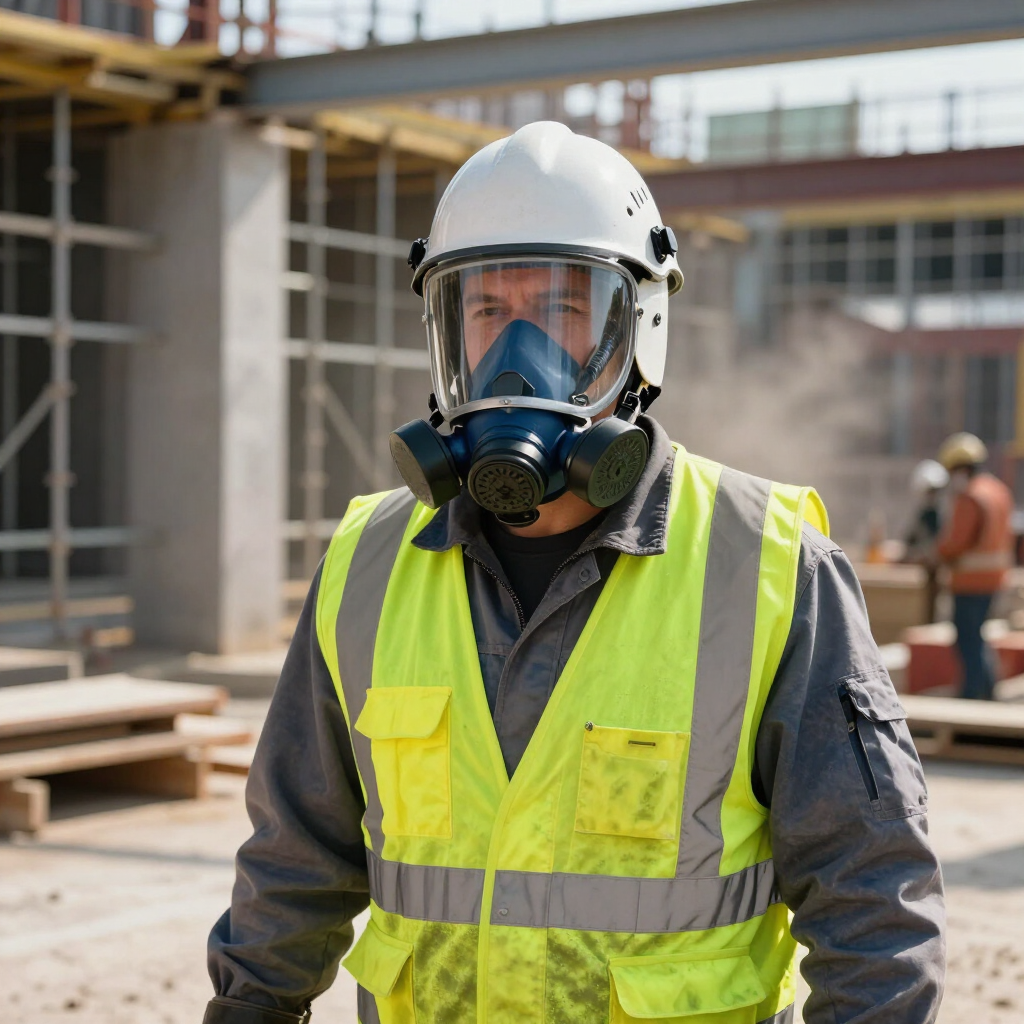
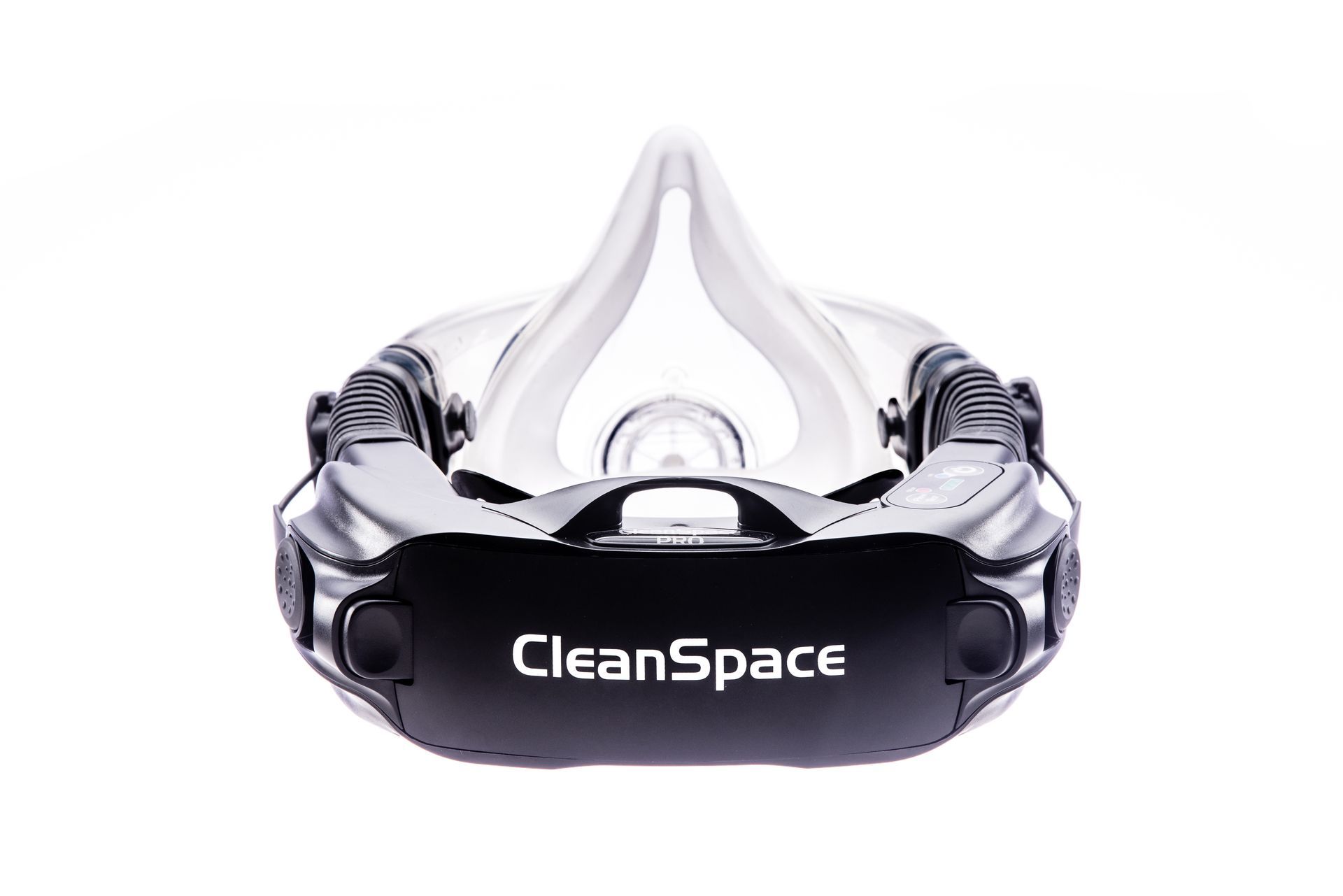
Reducing personal exposure to inhalable dust with Cleanspace Respirators
Current WELs for Common Dusts
The HSE regularly reviews exposure limits based on new evidence. As of 2024, here are the main ones you need to know:
Inhalable dust (not otherwise specified): 10 mg/m³ (8-hour TWA). This is a general limit for dusts that don't pose specific respiratory hazards beyond mechanical irritation.
Wood dust: HSE Workplace Exposure Limits for wood dust are 3 mg/m³ (8-hour TWA) for hardwood and mixed hardwood/softwood dust, and 5 mg/m³ (8-hour TWA) for softwood dust. Wood dust is a recognised respiratory hazard and potential carcinogen.
Welding fume: 5 mg/m³ (8-hour TWA) for the inhalable fraction.
These limits exist for a reason: they're the result of decades of occupational health research. Workers exposed above these limits face increased risks of silicosis, asthma, bronchitis, and other serious respiratory conditions.
To work out your current WEL you will need to conduct a
dust sampling assessment regularly to identify and manage the risks
Why You Need to Know This
If you're a facility manager, operations manager, or HSE professional, understanding WELs is fundamental to your compliance obligations.
COSHH 2002 / relevant HSE guidance require you to:
- Assess dust hazards in your workplace
- Measure exposure levels
- Compare them to the relevant WELs
- Take action if exposures exceed the limits
- Keep records of your assessment and monitoring
Failing to do this isn't just a regulatory issue. Workers exposed to excess dust face real health risks; 12,000 UK workers die annually from occupational lung disease. Many of those deaths are preventable through proper dust control and monitoring.
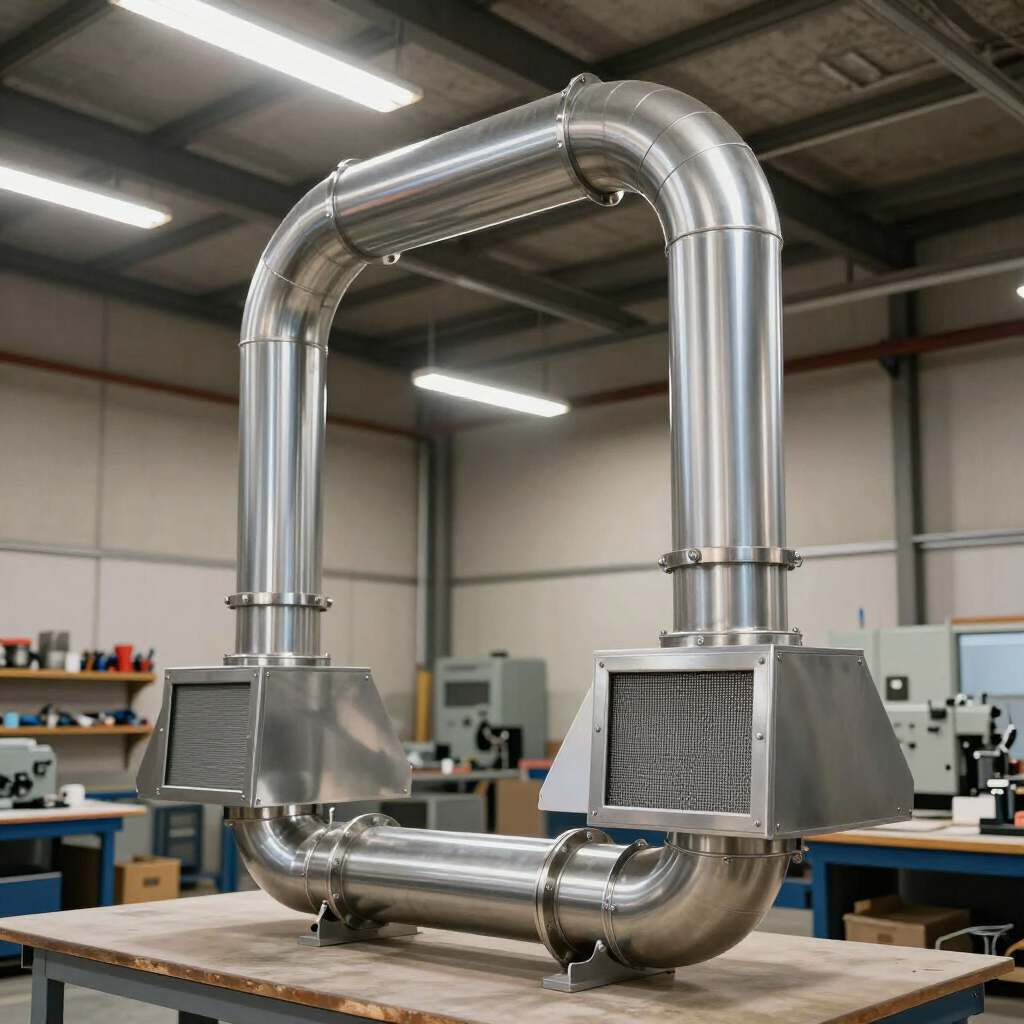
Find out more about dust management and extraction in the workplace
Getting Your Exposure Levels Right
Measuring workplace exposure levels requires proper sampling equipment and trained personnel who understand the nuances. For example, you need different samplers for respirable dust versus inhalable dust. You need to sample correctly during the work activities that generate the most dust. You need to interpret results in the context of your specific workplace.
This is where specialist support makes the difference. A dust management assessment from an experienced consultancy will identify your exposure hotspots, tell you where you stand relative to WELs, and recommend practical control measures. It's not a tick-box exercise; it's the foundation of a genuine dust control strategy.
The data you collect through proper monitoring becomes your evidence that you're protecting your workers. It also protects you from liability if something goes wrong.
What Next?
If you haven't had a recent dust exposure assessment, now is the time. Your WEL compliance isn't something to guess at, it's too important. A professional assessment will measure your actual exposure levels, compare them to current HSE limits, and identify where improvements are needed.
The investment in proper monitoring typically pays for itself through reduced sickness absence, improved productivity, and avoided regulatory penalties. More importantly, it means your team goes home with healthier lungs.
Want to discuss your workplace dust exposure? Get in touch with the team at Ultra Protect. With over 35 years' experience in air quality and dust management, we help facility managers and HSE professionals understand their exposure risks and implement effective controls.*
Contact Us