
What Is Respirable Crystalline Silica Dust?
If your work involves cutting, drilling or grinding materials such as concrete, brick or sandstone, you have almost certainly come across the term respirable crystalline silica dust. It is one of the most serious airborne hazards on a UK construction or manufacturing site, yet it is also one of the least visible. This guide explains what silica dust actually is, the exposure symptoms to look out for, the legal exposure limit that applies across the UK, and how to test for silica dust before it becomes a bigger problem for your workforce.
What Is Respirable Crystalline Silica Dust?
Respirable crystalline silica, often shortened to RCS, is a fine dust produced when materials containing silica are worked with tools. Concrete, mortar, sandstone, granite and many bricks all contain crystalline silica, and any process that cuts, drills, grinds or crushes them releases particles into the air.
The word respirable is the important part. These particles are small enough to travel past the body's natural filters in the nose and throat and settle deep in the lungs. Once there, they cannot be cleared, which is why repeated exposure over time causes lasting damage rather than a one-off reaction.
Because the particles are roughly one hundred times smaller than a grain of sand, you often cannot see them in the air at the levels that matter for health. A site can look clean while still carrying a serious silica dust risk, which is exactly why proper testing and assessment matter more than a visual check.
Where Silica Dust Comes From On Site
Silica dust is generated across a wide range of everyday site activities, not just on major demolition jobs. Any task that mechanically disturbs a silica-bearing material has the potential to create a hazardous concentration of dust in the surrounding air.
The risk is often highest in enclosed or poorly ventilated spaces, where dust has nowhere to disperse and can build up quickly during a single shift. This is one of the reasons dust and noise monitoring is such a valuable step before work begins in confined areas.
Common trades affected include construction, demolition, quarrying, stonemasonry and tunnelling, along with any manufacturing process that handles silica-based raw materials. Typical dust-generating tasks include:
- Cutting or chasing concrete, brick or block
- Grinding or polishing stone and engineered stone worktops
- Drilling into masonry or concrete floors
- Demolition and crushing of silica-containing structures
- Dry sweeping or handling of accumulated dust and debris
Silica Dust Exposure Symptoms and Health Risks
The health effects of silica dust build up quietly over years of exposure rather than appearing after a single shift, and that delay is exactly what makes ongoing monitoring so important for any business that works with silica-bearing materials.
Symptoms to Watch For
Silica dust exposure rarely causes an obvious reaction on the day it happens, which makes it easy to underestimate. Workers may notice a persistent cough, breathlessness during normal activity, tightness in the chest or general fatigue that does not improve with rest. These signs often develop gradually and can be mistaken for a minor cold or seasonal allergy.
Long-Term Conditions Linked to RCS
The more serious risk sits with long-term, repeated exposure. Silicosis, an irreversible scarring of the lung tissue, is the condition most closely associated with RCS, and it can progress even after exposure stops. According to the Health and Safety Executive, silica dust is also linked to chronic obstructive pulmonary disease and lung cancer, which is why the guidance on this hazard is so strict. You can read the HSE's full overview of silicosis causes and risk controls at hse.gov.uk/lung-disease/silicosis.htm.
UK Legal Exposure Limits and Employer Duties
Meeting these legal requirements is not just a paperwork exercise. A documented, defensible approach to silica dust protects your business from HSE enforcement action and gives your workforce a genuine level of protection, rather than a box-ticking assessment that sits in a folder.
The Workplace Exposure Limit Explained
The UK Workplace Exposure Limit for respirable crystalline silica is 0.1 mg/m³ as an 8-hour time-weighted average (TWA). RCS does not have a specific statutory STEL under EH40. However, short-duration peak exposures can be very high and should be controlled through effective engineering controls, suitable working methods and, where required, appropriate RPE.
This is one of the lowest limits set for any substance under the COSHH framework, reflecting how much damage even a small quantity of silica dust can cause over time. Full details of the regulations are available directly from the HSE at hse.gov.uk/pubns/indg136.htm.
What COSHH Requires From Employers
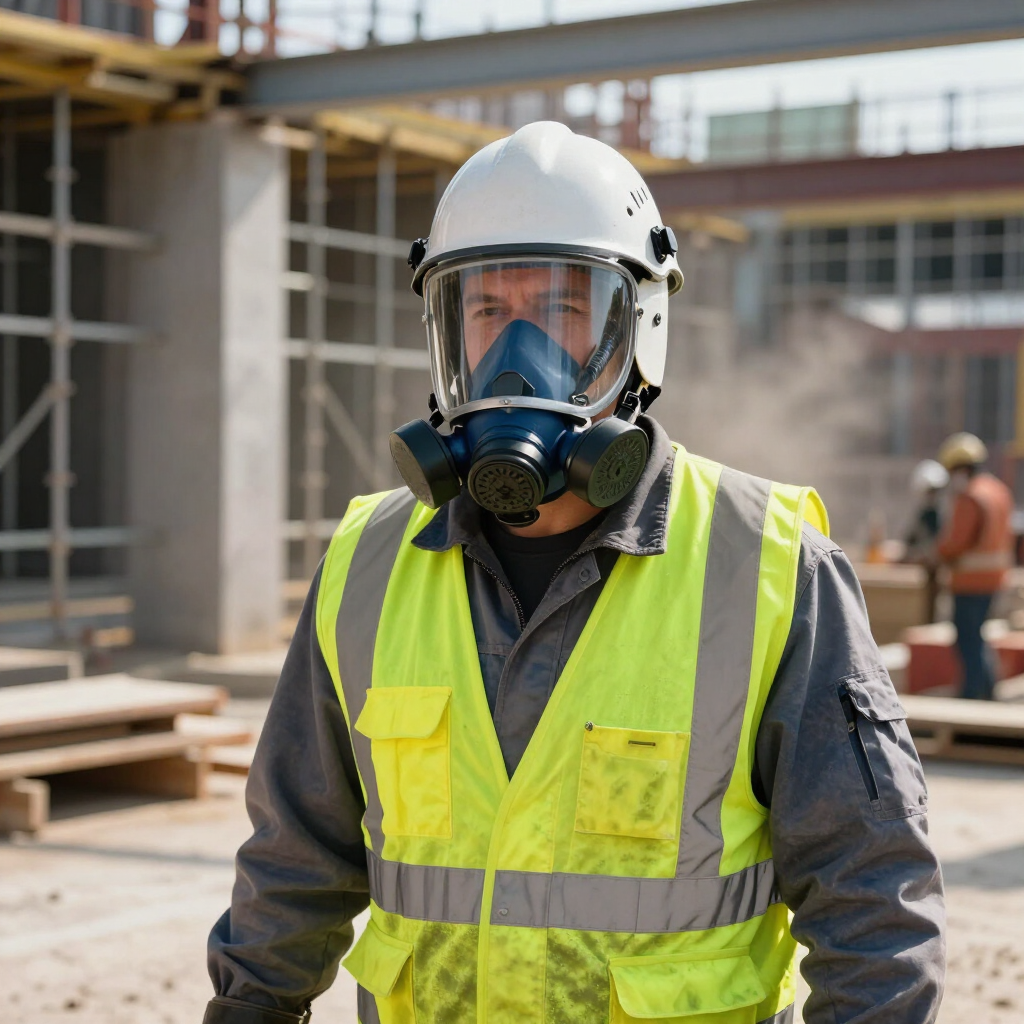
The Control of Substances Hazardous to Health Regulations place a clear duty on employers to assess the risk from silica dust and reduce exposure as far below the limit as is reasonably practicable, not simply to stay under the legal maximum. This typically means combining engineering controls, safe working methods and, where needed, respiratory protective equipment such as the CleanSpace range available through Ultra Protect.
How to Test for Silica Dust
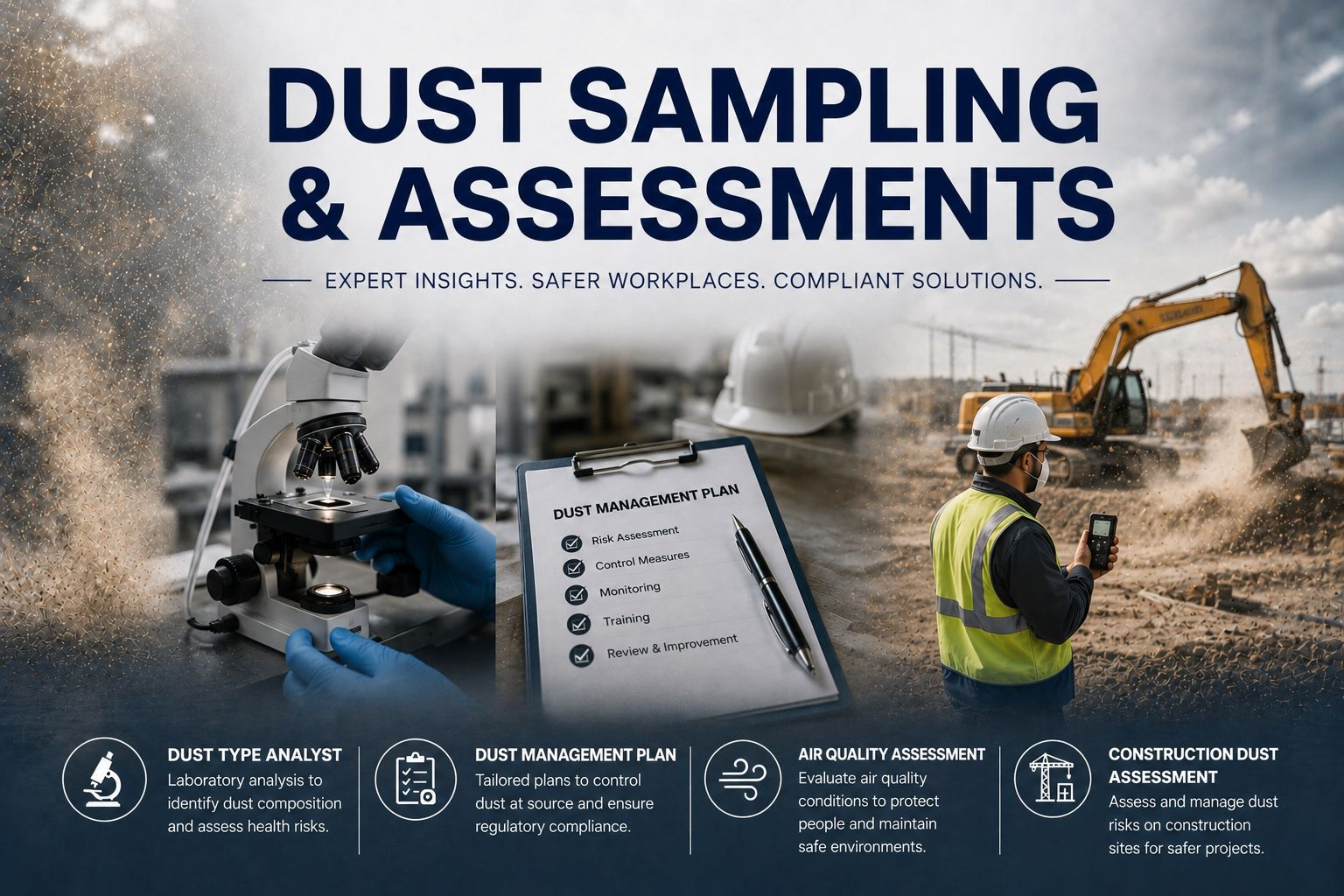
Because silica dust cannot be reliably judged by eye, proper testing relies on measuring the actual concentration of respirable particles in the air. Personal air monitoring (Dust Sampling) involves a worker wearing a small sampling pump and filter for a representative part of their shift, which is then sent for laboratory analysis to establish exposure against the Workplace Exposure Limit.
Static or background monitoring uses fixed equipment positioned around a site to track ambient dust levels over a longer period, which is particularly useful for understanding how exposure changes across different areas or times of day. Real-time monitoring instruments give an immediate readout, which makes it easier to identify exactly which tasks or tools are generating the most dust so that controls can be targeted where they matter most.
A proper assessment goes beyond a single reading. It should identify where the dust is coming from, how existing controls are performing, and what practical changes will bring exposure down. Ultra Protect's dust risk assessments are built around this process, and you can see what is included at RCS Dust Sampling
Frequently Asked Questions
A few questions come up again and again when businesses start looking into silica dust compliance. Here are the ones we hear most often.
Is silica dust dangerous in small amounts?
Yes. The Workplace Exposure Limit of 0.1 mg/m3 is set deliberately low because even small, repeated amounts of silica dust can accumulate in the lungs over time and contribute to serious long-term illness.
How often should silica dust be monitored?
This depends on the nature of the work, but any site carrying out regular cutting, grinding or drilling of silica-bearing materials should have monitoring reviewed whenever processes, materials or working methods change, not just on a fixed annual cycle. Annual Dust sampling is the minimum for each or your work processes and should be more frequent where these processes are changed or added to.
Can dust masks alone control silica dust exposure?
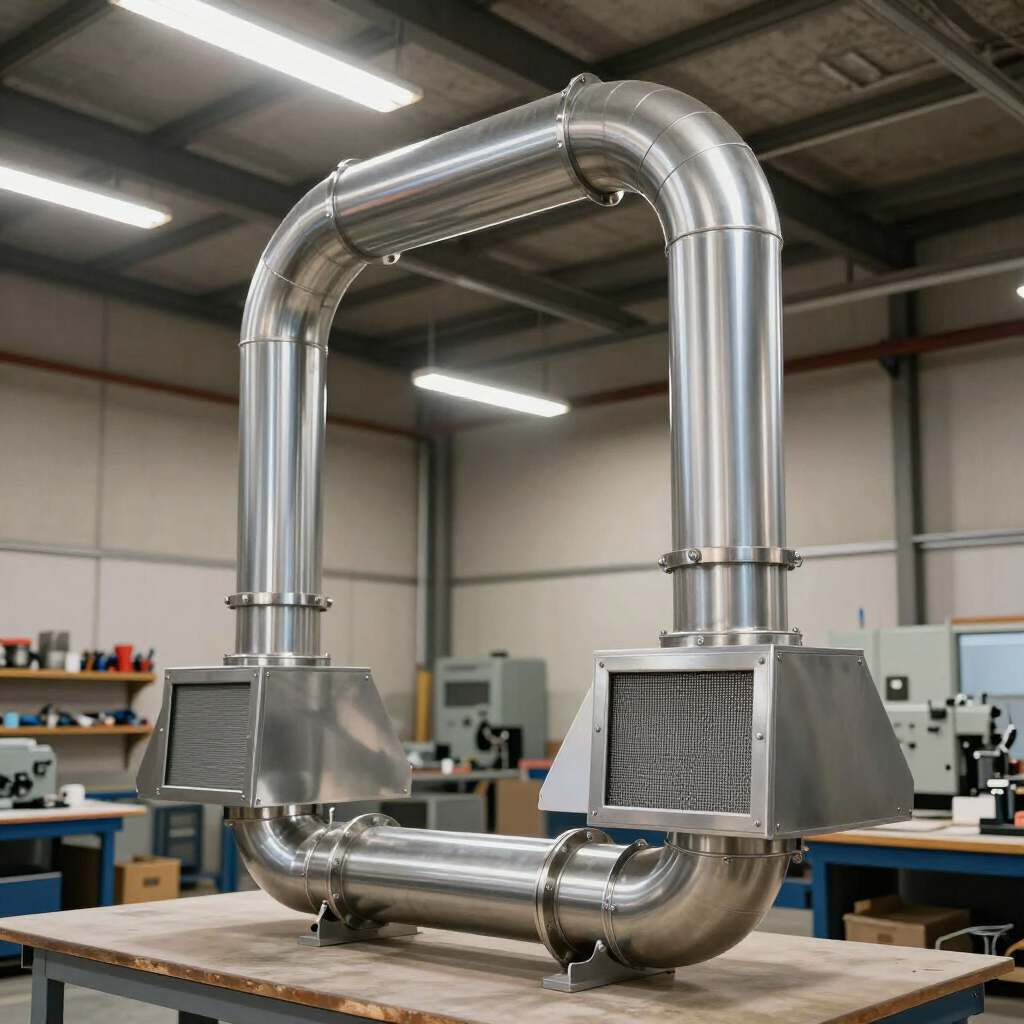
Disposable masks offer limited protection and should not be relied on as the only control. HSE guidance places engineering controls, such as LEV ventilation, water suppression and on-tool extraction, ahead of respiratory protective equipment within the dust hierarchy of control.
Who is responsible for silica dust risk assessments?
Under COSHH, the legal duty sits with the employer, who must assess the risk, put suitable controls in place and provide health surveillance where exposure is likely to be significant.
Protecting Your Team Starts With an Accurate Assessment
Understanding what respirable crystalline silica dust is and how it affects health is only the first step. The real protection comes from knowing exactly how much dust your team is exposed to, where it is coming from, and which controls will actually bring it under the legal limit.
Ultra Protect has spent years carrying out silica dust monitoring and dust risk assessments for businesses across London, Kent, Essex and the wider UK, and we pair that expertise with the market's leading dust management products, including our RCS silica sampling.
If you are not certain where your business stands on silica dust exposure, an accurate assessment is the quickest way to find out. Get in touch with the Ultra Protect team to arrange a site visit and put a compliant plan in place.
Contact Us