
Dust is one of the most underestimated hazards in the workplace. It’s invisible at low concentrations, accumulates slowly, and causes damage that takes years to surface. By the time a worker is diagnosed with silicosis, occupational asthma, or COPD, the exposure responsible is long in the past.
The HSE estimates that around 12,000 people in the UK die each year from lung diseases linked to past workplace exposures, with 19,000 new cases of work-related breathing problems reported annually. Wearable dust monitors are changing what’s possible — changing exposure management from periodic snapshots to continuous, personal, real-time data.
Dust Health and Safety: Understanding the Scale of the Risk
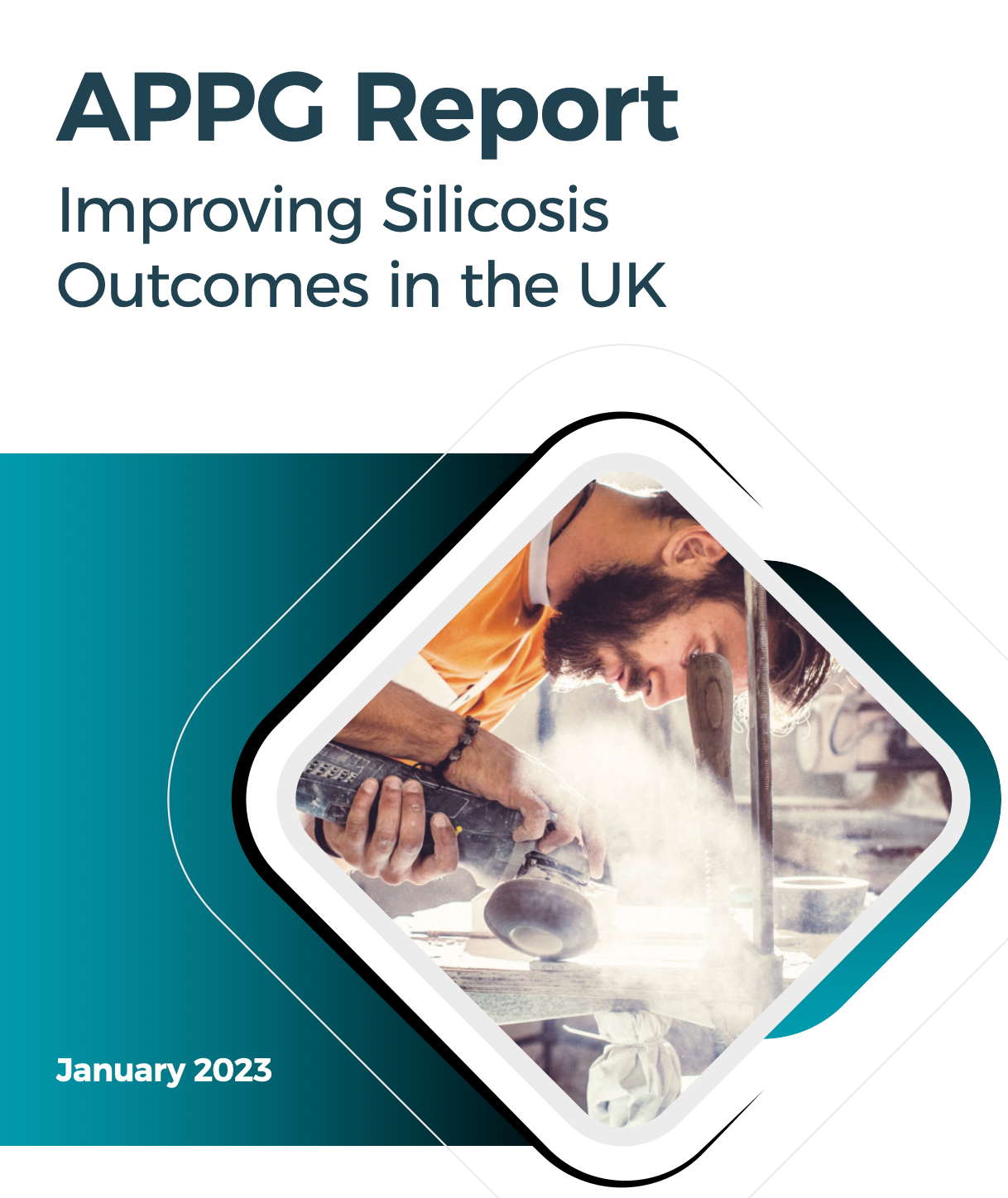
Respirable dust contains fine particles small enough to reach deep into the lungs, which is where the most serious harm occurs. Respirable crystalline silica (RCS), found in stone, concrete, and sand, is among the most documented hazards, along with wood dust, coal dust, and metallic particulates.
Construction, manufacturing, and woodworking are the sectors most affected, where cutting, grinding, drilling, and sanding generate high concentrations of fine particles in short bursts. The HSE’s Dust Kills campaign found serious gaps in protection across these industries — 78% of woodworking businesses were failing to protect workers from respiratory risks during a 2022/23 inspection round.
The long delay between exposure and diagnosis is what makes reactive approaches so inadequate. Silicosis typically develops after a decade or more of exposure. Workers and employers can remain unaware of the damage for years. You often won’t see the signs until it’s too late, which is why preventive monitoring matters.
What Does a Wearable Dust Monitor Do?
This compact device is typically clipped to a lapel, armband, body strap or built into PPE. These portable monitors track airborne particulate concentrations continuously within the wearer’s breathing zone. That proximity to the nose and mouth is what sets it apart from fixed monitoring: it captures what the worker is actually inhaling from within the breathing zone, not the air quality across a room.
Most devices use optical particle counting to log data at short intervals across a wide concentration range. The better models include configurable audible and visual alarms, Bluetooth connectivity, and cloud platforms for reviewing exposure histories across individuals and sites. Unlike gravimetric samples that require lab analysis and return results days later, wearable monitors deliver data during the shift, when it can still make a difference.
Health and Safety Dust Exposure: The Limits of Traditional Monitoring
Fixed-area samplers give a snapshot of conditions at a location, and that’s a problem. They measure a location, not a person. Workers move between zones, carry out different tasks, and may spend only a fraction of their shift near a static sensor. The reading it captures may appear acceptable while an individual repeatedly passes through pockets of high dust.
Time-weighted average (TWA) measurements create a similar blind spot. A worker who inhales heavy silica dust during a 20-minute (STEL) cutting task may fall within safe limits when that exposure is averaged over an 8-hour shift. The numbers look fine, but short, intense exposure events carry real cumulative risk, and TWA measurements alone aren’t designed to catch them.
The Real-World Benefits for Health and Safety Professionals
Live alerts let managers act the same day a problem appears rather than weeks later when a lab report lands. When a task or location generates a dust spike, the worker is warned immediately, and an investigation can follow without delay.
Exposure data also shows which tasks and locations drive the highest readings — intelligence that directly shapes decisions about engineering controls, ventilation placement, task sequencing, and RPE specification. Resources go where they’re needed, rather than being applied across an entire site.
Logged data supports COSHH compliance by building an audit trail of individual exposure over time — useful for health surveillance, inspections, and supplying clear documentation if enforcement action or a compensation claim arises. And when workers can see their own exposure data in real time, PPE compliance tends to improve. The risk stops being abstract.
How To Implement Wearable Monitors in the Workplace
Personal monitors work best as part of a wider health and safety programme. Start with the workers and tasks with the highest exposure risk (those who regularly cut, grind, or handle fine particulate materials). Early monitoring data can then validate whether existing engineering controls are performing as intended, or highlight where they’re falling short.
Seasonal variation is worth tracking, too. A workspace that keeps safe dust levels in summer with good natural ventilation may see concentrations climb in winter. Continuous monitoring picks that up; periodic sampling often doesn’t. That said, wearables complement rather than replace formal exposure assessments. For substances with specific Workplace Exposure Limits, accredited gravimetric sampling is required.
The Case for Personal Dust Monitoring
The HSE’s figures are a yearly reminder that dust still causes preventable deaths in industries that could do more to prevent them. By the time you see the damage, the window for intervention has long gone.
A wearable dust monitor measures dust around a person rather than the environment, analysing what your workers breathe in every shift, helping you take protective measures. Contact us today to find out how dust monitoring can protect your employees.