
Mould is a microorganism that grows, spreads and thrives in moist, damp environments. Known for being harmful and destructive, mould spores can spread rapidly, causing health issues and property damage. Mould appears in a variety of colours–black, blue, red, or green–depending on the species. And whilst the developed mould patches are visible, the spores are completely invisible to the naked eye.
Once a colony of mould begins to grow and develop under the prerequisite conditions, it can quickly destroy surfaces, eating away at walls, floors, ceilings and furniture, often leading to costly repairs.
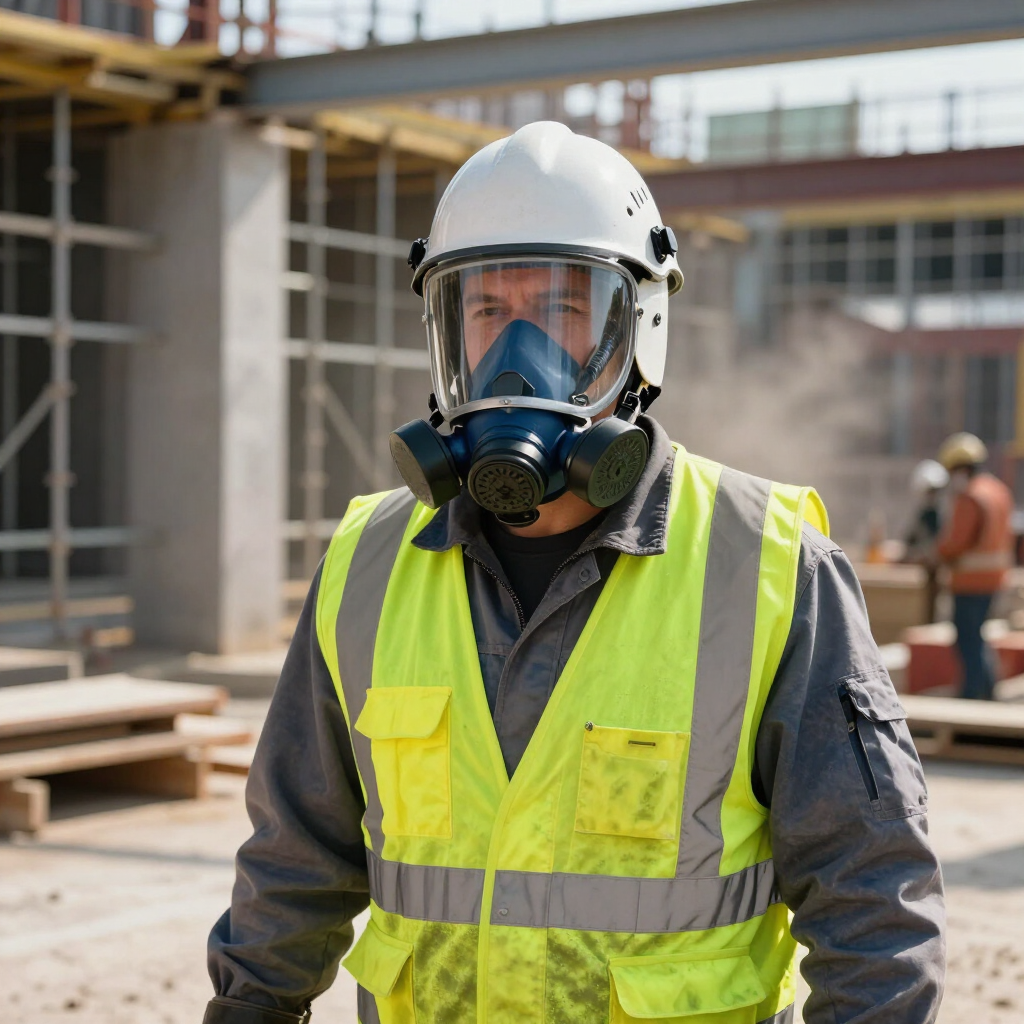
Beyond the physical damage caused by mould, numerous health risks are also associated with exposure to airborne spores. Inhaling mould spores can lead to respiratory problems, allergies, and even life-threatening outcomes for those with preexisting medical conditions or weakened immune systems.
What Causes Mould?
Any area prone to high humidity levels or water exposure is susceptible to mould. Once a mould colony has established itself, spores can quickly spread throughout the air, attaching to surfaces such as walls, ceilings and even onto fabrics like clothing and curtains.
Regular household activities such as cooking, laundry, and bathing contribute to humidity, potentially causing mould in residential properties.
Commercial properties, especially those with kitchens, gyms, or showers, are also at risk of mould, and site managers should take the correct measures to ensure facilities are treated or well-ventilated to protect the health of facility users.
What Causes Damp Conditions?
Damp conditions are typically caused by poor insulation or untreated water damage. If moisture is not managed correctly, it can seep into surfaces, creating an unwanted environment for mould to form.
Here are the most common causes of dampness in residential and commercial buildings:
- Burst pipes.
- Faulty or inadequate heating systems.
- Building deterioration–damaged brickwork or roof tiles.
- Rainwater issues like faulty guttering.
- Subsidence leading to moisture ingress.
- Condensation.
Mould & the Energy Crisis
Due to the cost of energy skyrocketing, many people are attempting to reduce their overall energy consumption. Homeowners, renters and business owners are doing whatever they can to retain heat and lower their central heating usage. These attempts at reducing energy costs may initially seem beneficial, but inadvertently, they can create prime conditions for mould to thrive.
By neglecting the notion and practice of efficient ventilation, moisture created from daily activities can stagnate and become trapped within the building. This increases the likelihood of damp conditions and, as a consequence, mould.
While reducing energy costs is important, taking the correct steps to prevent mould is equally as crucial. If the correct steps to prevent mould aren’t undertaken, the cost of damages could be many times higher than your energy bills.
How to Prevent Mould?
Mould prevention is vital in creating a safe environment in both residential and commercial buildings. Keeping humidity levels between 30% and 60% is considered healthy, but ensuring humidity stays below 50% is how you can deter mould from growing and spreading.
Here are some practical ways to prevent mould:
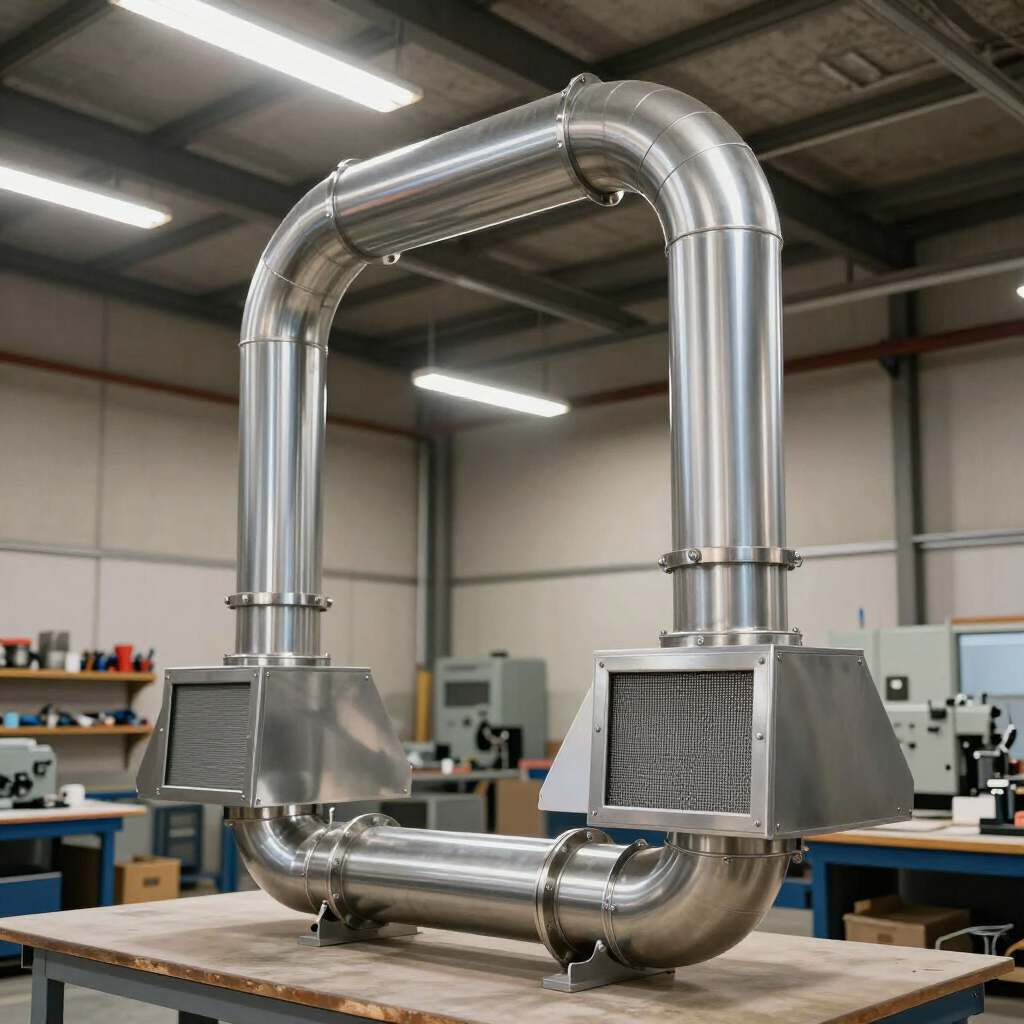
- Improve Ventilation: The first step to preventing mould would be to ensure optimal airflow throughout the property by opening windows and using fans.
- Extractor Fans: Installing extractor fans in areas prone to moisture, such as kitchens and bathrooms, can aid in removing excess humidity.
- Air Purifiers:
Can help prevent mould by filtering out airborne mould spores, reducing their ability to settle and grow on surfaces.
Air purifiers can improve air circulation and remove excess moisture, creating a less hospitable environment for mould.
- Dehumidifiers:
Ideal for rooms prone to dampness, dehumidifiers are a great way to control humidity in homes and commercial properties.
- Humidistats & MVHR Systems:
Mechanical Ventilation with
Heat Recovery systems can ventilate a property and also recover heat, making them energy efficient, all while controlling humidity levels.
- VSC1000 Protection: The
VSC1000 is a translucent film that can bond to any surface. Microbes, including mould spores, are killed on contact, and one application lasts up to 12 months. This is a cost-effective solution to prevent microbial growth and mould colonisation.
Final Thoughts
If left untreated and permitted to spread, mould can develop into a costly, health-risking issue that can affect the structural integrity of both residential and commercial buildings.
For businesses and owners of commercial spaces, mould growth can damage inventory and equipment, lead to expensive repairs, and, most importantly, affect the health of customers and employees.
For residential buildings, landlords have a duty of care to their tenants, and failing to address mould in rental properties can result in hefty fines and compensation claims. Taking immediate action to remove mould and manage humidity levels to prevent it from forming is essential for maintaining comfortable living and working conditions.
With over 35 years of experience dealing with mould-related concerns, Ultra Protect offers a trusted
mould prevention service to ensure residential and commercial spaces are safe for those who frequent them.