
The imminent dangers of dust are often overlooked. Although dust may seem harmless, it can severely threaten health and safety, especially in commercial industries such as manufacturing and construction.
From causing respiratory conditions to becoming explosive hazards, dust particulates can be categorised based on several factors: composition, size, and type. These determining factors decide how potentially harmful these dust particles are or may become.
In this article, the air quality specialists at Ultra Protect will explore the dangerous types of dust, categorise them into L, M and H levels, and explain how to follow correct safety protocols, including ATEX-rated PPE.
The Standard Classifications for Hazardous Dust
- L-Class (Low Hazard): L-Class dust particles include domestic dust and soil–particulates with an OEL value no higher than 1 mg/m3. While the health and safety risks might be of little concern, prolonged exposure can cause compounding issues, eventually impacting health.
- M-Class (Medium Hazard): With an OEL value ranging between 0.1 and 1mg/m3, M-Class dust particulates can be acutely hazardous to respiratory health. M-Class dust particles include sawdust and construction materials like concrete dust, which are known for causing health issues.
- H-Class (High Hazard): This classification is reserved for the most hazardous dust particulates and includes carcinogenic particles like mould spores and asbestos. With OEL values less than 0.1mg/m3, high-hazard dust ranges from fine minerals to metal contaminants from heavy-duty industrial metallurgy.
As instructed by the UK Health & Safety Executive guidelines, each of these classifications requires varying levels of safety equipment and dust management assessments to ensure workers’ health is properly safeguarded.
Hazardous Dust in Key Industries
Dust poses real hazards to those working in specific industries, notably construction, manufacturing and food processing. As such, dust health and safety measures within these industries must be implemented with proper consideration using the classifications above.
1. Construction Industry: Silica Dust
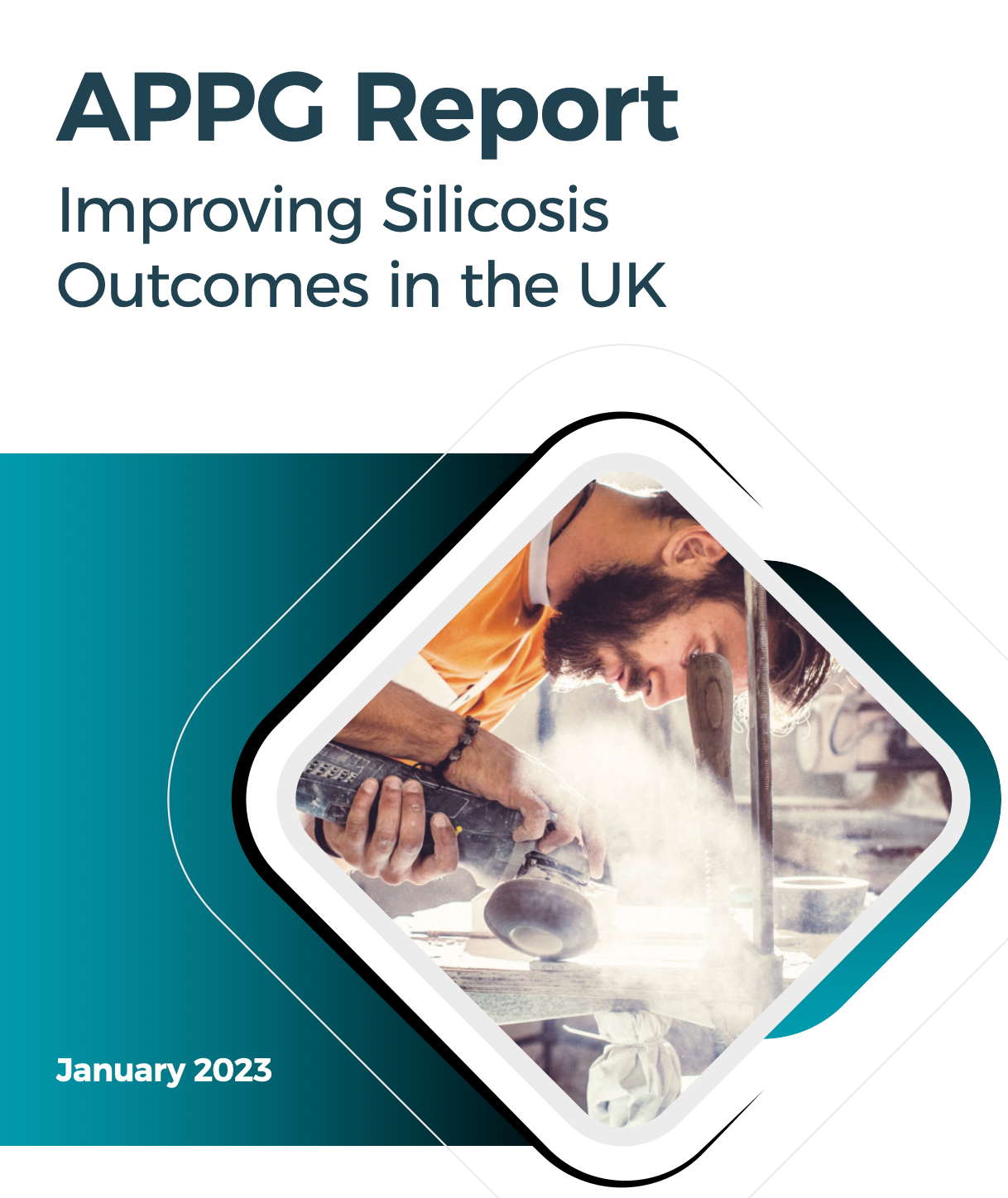
When cutting, grinding and drilling construction materials such as concrete, mortar, and sandstone, RCS, which stands for ‘respirable crystalline silica’, is released. Once RCS is inhaled, it can penetrate deep into the respiratory system and begin causing several chronic diseases, including silicosis, lung cancer and COPD chronic obstructive pulmonary disease).
“Silica is the biggest risk to construction workers after asbestos… around 4000 deaths are estimated annually due to COPD resulting from past workplace exposures. Construction workers are a significant at-risk group.”
- Health & Safety Executive
2. Manufacturing Industry: Wood & Metal Dust
The manufacturing process produces various dust particulates that can are deemed a significant risk to workers’ health:
- Wood Dust:
Common in furniture production, joinery and carpentry, wood dust is carcinogenic. Oak, beech, and other hardwoods are listed as carcinogens and are often linked to respiratory cancers. Wood can aggravate pre-existing respiratory health issues such as bronchitis and asthma.
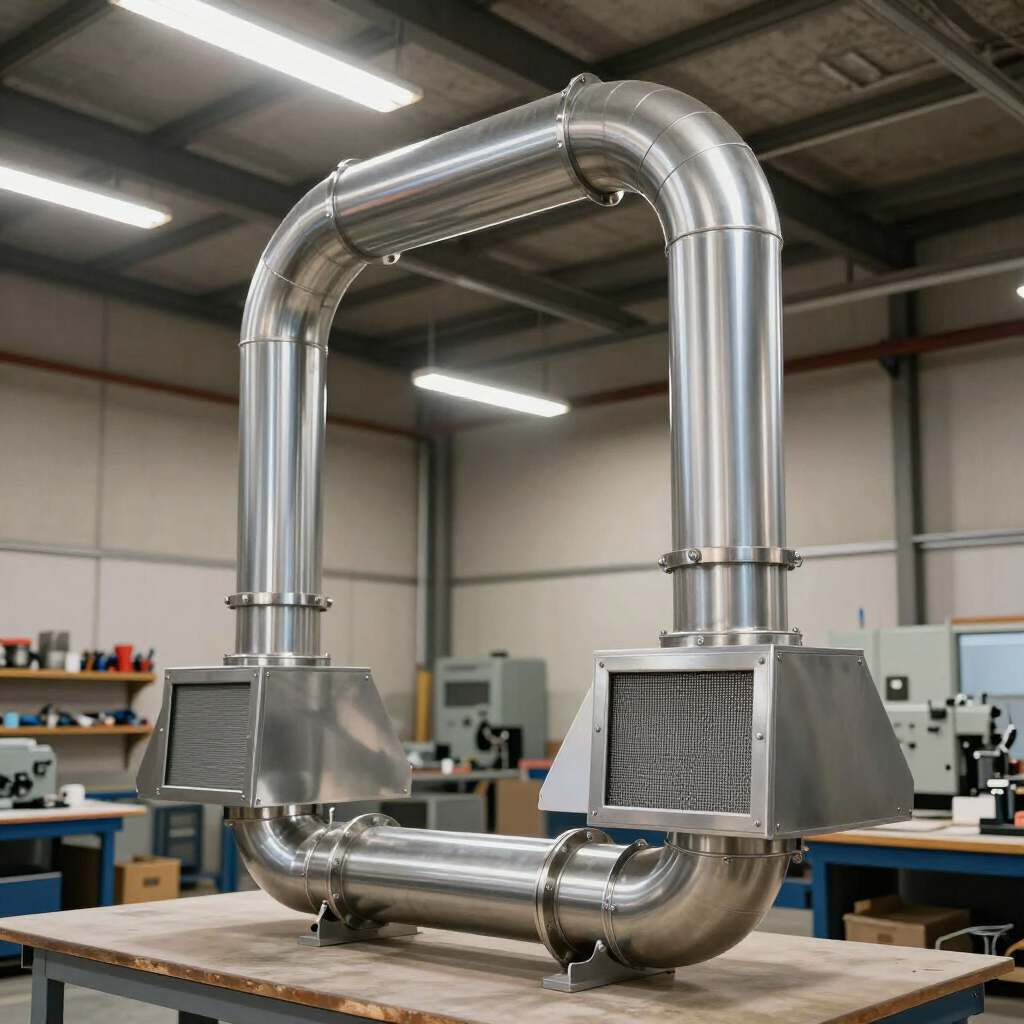
Employees in woodworking environments must use adequate PPE and dust masks to lessen their exposure. M-Class dust extractors are also advised, as they can capture 99.9% of dust particles under two microns. - Metal Dust: Those who face long-term exposure to metal dust, particularly welders and metal workers, are at risk of a respiratory inflammation disease known as metal fume fever. Metal dust types can lead to organs and the respiratory system suffering from irreversible damage. H-Class extractors are most suited for removing metal dust, especially in confined spaces where hazardous fumes can gradually compound.
3. Food Industry: Flour Dust & Explosive Hazards
Within food manufacturing–specifically baking and milling—flour dust is a hazardous health and safety risk. Aside from having an impact on the respiratory system and causing diseases like baker’s asthma, flour dust is also highly combustible.
If ignited, suspended dust particles composed of flour can lead to devastating explosions.
The ATEX directive classifies these environments as hazardous zones requiring stringent mitigating measures to operate safely.
The Protective Role of ATEX-Rated Masks
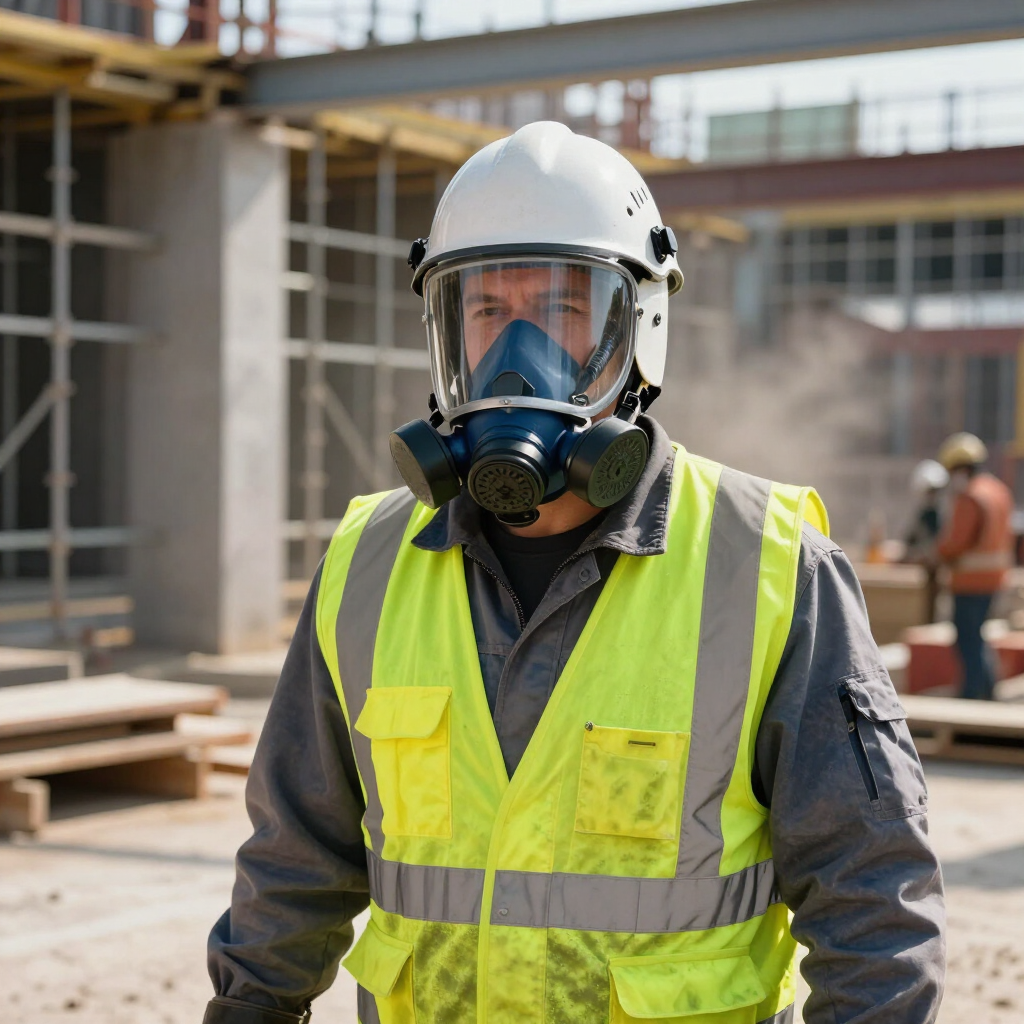
One way to mitigate the risks associated with hazardous dust levels, including explosive environments, is by using appropriate PPE such as the CleanSpace EX and an ATEX-Rated PAPR (powered air-purifying respirator).
These respirators provide innovative, high-level respiratory protection from dust particulates while utilising patented AirSensit technology to respond, adjust and adapt to the breathing of its wearer.
How Ultra Protect’s Dust Management Assessments Can Help
Ultra Protect’s dust management assessments offer comprehensive support for businesses in high-risk industries by identifying and mitigating the dangers of hazardous dust exposure.
Tailored for sectors like construction, manufacturing, and food processing, these assessments focus on understanding specific dust hazards in each workplace and implementing effective control measures.
Here's how we make a difference:
- In-depth & Detailed Dust Evaluation
- Pre-Planning Air Quality Assessment
- Dust Management Training for Employees
- Compliancy with UK regulatory Bodies
- Long-Term Environmental & Health Benefits
Our
dust management assessments are more than a compliance tool; they provide businesses with practical, sustainable solutions to maintain safe working conditions.
Stay Protected with Ultra Protect
Understanding the various types of hazardous dust and the health risks they cause is the first step to implementing the correct control measures.
It’s also important to note that ensuring a working environment is safe not only protects the health of your employees but also ensures working conditions are in compliance with mandatory health and safety laws.
To learn more about how
Ultra Protect can assist you in managing dust effectively,
get in touch with our air quality consultants today.