
Ensuring respiratory health is well protected has never been more vital to safeguarding the well-being of those working within hazardous environments.
Respiratory health and safety technology has come a long way, adapting to the needs of varying industries with innovation at the forefront. Spearheading this technological shift in respiratory health are PAPRs or Powered Air-Purifying Respirators.
These respirators come in various shapes and sizes, each one designed with its own unique list of technical specifications and level of protection.
In this blog, the air quality specialists at
Ultra Protect will provide you with the latest insights, helping you to innovate the safety of your workplace.
The CleanSpace
First on our list is a series of PAPR systems manufactured by the innovative bio-engineering team at CleanSpace. These award-winning respirators offer users high-level protection from harmful dust particles, microbes and airborne contaminants without ever compromising performance and comfort.
CleanSpace’s respirators have a built-in, patented air quality monitoring system called AirSensit™ Technology. AirSensit™ can measure airflow and adjust air pressure 100 times per second to continuously optimise protection.
Along with efficient TM P3 filters that provide 99.95% filtration and a hose-free design for mobility, these respirators safeguard health with comfort, even in the most challenging environments.
3M Versaflo TR-300+
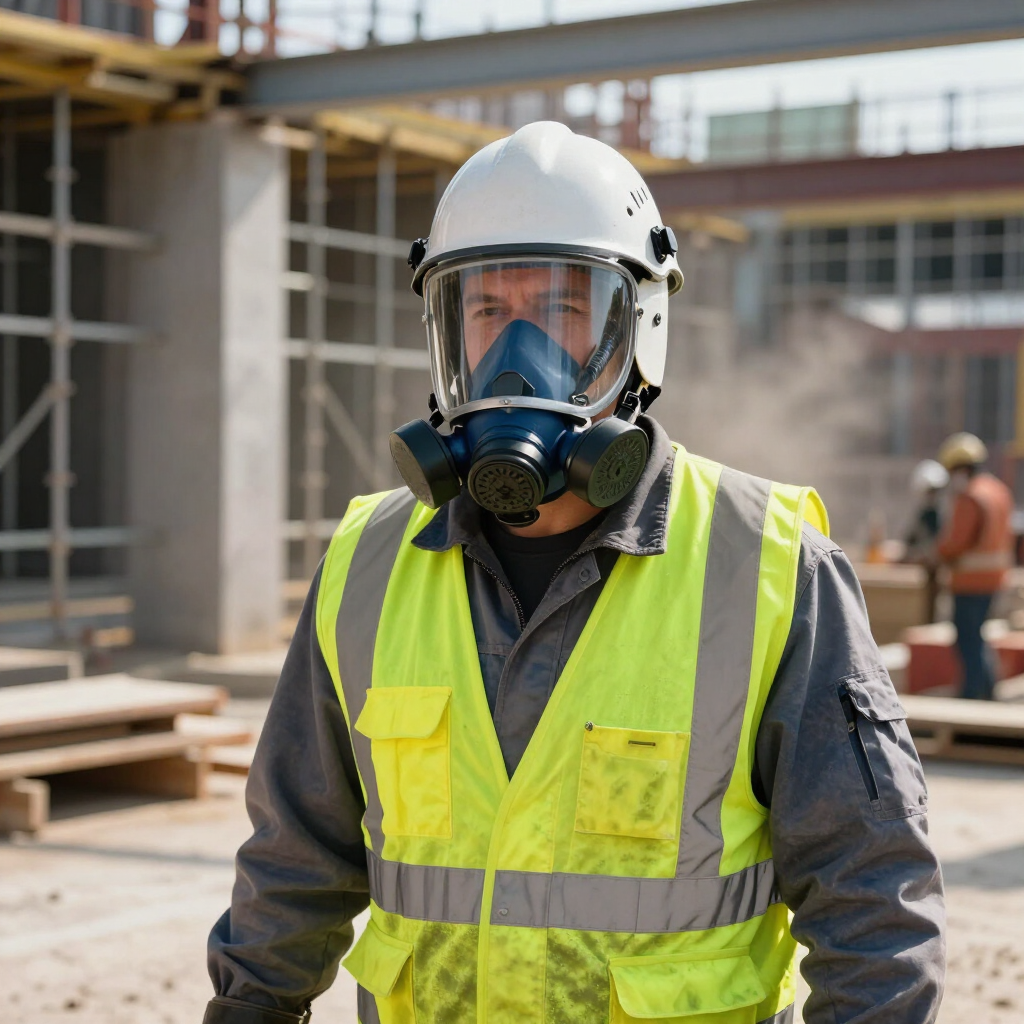
Widely used in construction and healthcare, these lightweight PAPRs are versatile, comfortable and convenient for working conditions where mobility is vital.
The 3M Versaflo TR-300+ has a user-friendly interface and can be customised with different headgear options, including hoods, hardhats, and full facepieces. With a blower unit approved by NIOSH, the TR-300+ ensures safety in working conditions where fumes, dust and other noxious contaminants prevail.
Optrel e3000X PAPR
Being explicitly designed for metallurgy and welding environments, this PAPR can be paired with Optrel’s welding helmets to provide a holistic approach to health and safety for welders needing both eye and respiratory protection.
Equipped with a multi-layered filtration system to capture metal fumes, hazardous particulates and smoke, the e3000X is ideal for protecting those working in metal fabrication. Its ergonomic design minimises neck strain, allowing welders the mobility to tackle tasks efficiently.
Bullard EVA PAPR
Offering an airflow rate of up to 8.5 CFM (cubic foot per minute), this PAPR has been designed for working under the most extreme industrial conditions. Its high airflow system ensures users remain cool and comfortable in claggy, enclosed environments.
The EVA PAPR showcases its versatility by being compatible with HEPA filters, multi gas-cartridges and various other filtration alternatives. With a focus on manoeuvrability, its belt and shoulder harness assist in distributing weight evenly to reduce fatigue and strain.
Drager X-plore 8000 PAPR
Dust-tight and waterproof, the X-plore has been made with durability and safety at the forefront of its design. Able to withstand high-risk conditions, including mining, chemical handling and heavy industrial work, this PAPR system has built-in electronic monitoring that alerts users when filters need replacing or if the battery requires charging.
With a high IP65 rating, the X-plore can function effectively in dry or wet conditions while providing critical protection from particulates and gas.
Honeywell North Primair 700 Series
The Honeywell North Primair 700 has been designed and built with the comfortability of its user in mind. The PAPR has a built-in, adjustable airflow system that can allow workers to individualise their experience depending on the strenuosities of their work.
Using a combination of HEPA and gas filter cartridges, it protects against dust particulates, gases, vapours and other airborne contaminants.
Those working in pharmaceutical manufacturing, painting, welding and chemical handling would benefit from the adaptability of the Primair 700.
Your Choice Matters
Choosing the right Powered Air-Purifying Respirator is a vital proponent in ensuring the health and safety of your workforce is accounted for and well-protected.
Whether you’re in healthcare, construction, chemical handling or metal fabrication, these innovations in respiratory protection can provide reliable safeguarding against a plethora of harmful contaminants. Each PAPR system offers distinct features to combat the varying respiratory hazards workers are faced with, and depending on the industry, one respirator might be more suited to your needs than others.
At
Ultra Protect, we specialise in air quality and understand the importance of optimal safety in suboptimal conditions. That’s why we stock the CleanSpace respirators and provide detailed demonstrations. Each CleanSpace respirator is well-rounded and offers specific solutions to your industry’s health concerns.
For more information on the best available PAPR, check out our
CleanSpace EX brochure or
contact our expert team today.