
Firefighters put their well-being on the line daily, facing hazardous challenges to save lives. Continuous exposure to smoke, toxic fumes, and harmful particulates encountered during fires and rescue operations can have an adverse effect on their health, and thus, protecting the respiratory system is a crucial part of firefighter health and safety.
By adhering to the correct precautions, using specialised technology, and following compliant protocols, firefighters can mitigate the respiratory risks associated with their line of work.
In this article, we’ll explore the main firefighting health risks to lung health and the modern-day strategies firefighters use to protect themselves.
Why Safeguarding Lung Health Matters in Firefighting
“Firefighters are significantly more likely to die from cancer, heart attacks, strokes, and other diseases than the general public.”
- The Fire Brigades Union (FBU)
Imagine breathing in smoke filled with hazardous particulates like carbon monoxide and hydrogen cyanide–both of which can cause permanent lung damage or worse. Then there are the toxic fumes from burning plastics, wood, and other flammable materials. Over time, and without proper precautions, exposure to these carcinogens can compound, resulting in devastating health complications.
Firefighters who lack adequate protection are susceptible to debilitating conditions, such as chronic obstructive pulmonary disease (COPD), asthma, and even cancer. Research indicates that firefighters aged 35 to 39 have up to a 323% higher incidence of cancer compared to their peers in the same age group.
The Legality of Firefighter Health & Safety
Laws and regulations keep firefighters and the public safe. In the UK, the Health and Safety at Work Act 1974 is the primary law for workplace safety. This law states that fire services must protect workers' health and safety by providing training, equipment and protective gear to mitigate work-related risks.
The Regulatory Reform Order 2005 focuses on preventing fires and reducing workplace risks. Risk assessments are critical. They help locate, ascertain and manage potential dangers. These future-proof assessments protect both the public and the firefighters during fires.
Additionally, the Fire Safety Regulations 2022 recently introduced extra safeguards to fortify existing ones. These laws would further outline safety protocols and support firefighters facing modern-day challenges. The HSE oversees these laws, ensuring fire services stay accountable for their teams’ protection.
The Vital Role of Firefighting Breathing Apparatus
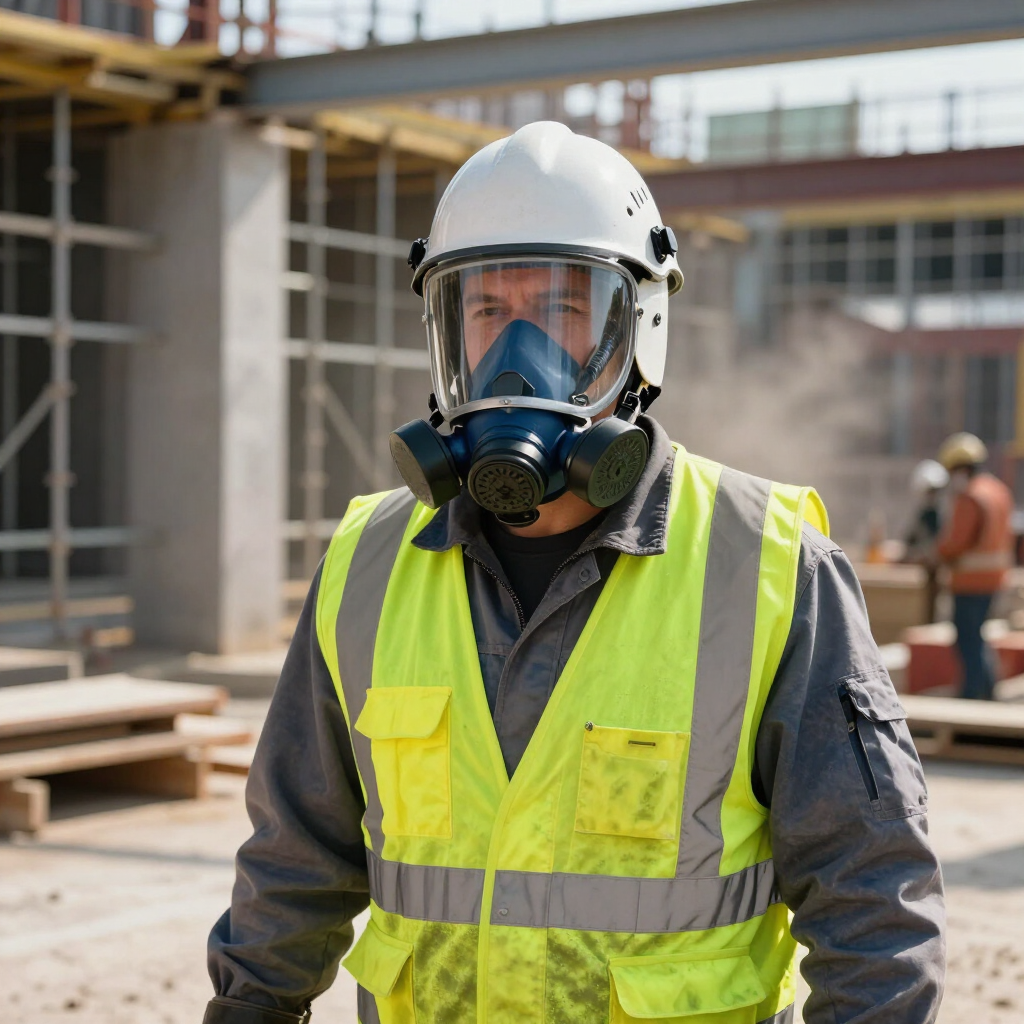
Wearing appropriate breathing apparatus (BA) during firefighting operations is mandatory for firefighters. These devices safeguard respiratory health by supplying clean air, allowing firefighters to work without inhaling dangerous particulates.
The type most commonly used is the self-contained breathing apparatus. The SCBA comes with high-pressure canisters that provide constant clean air and allow firefighters to move in smoke-filled environments without obstructing or limiting their mobility. For more prolonged operations, firefighters often use the airline breathing apparatus, which connects to an external air supply.
These breathing apparatuses are complicated devices, and firefighters undergo extensive training programs to develop the skills to use them effectively. If a mask is ill-fitted or there’s a misunderstanding of how long the air supply will last, firefighters can risk losing their lives to the most subtle discrepancies.
PPE & Decontamination
Following the usefulness of breathing apparatus, personal protective equipment provides a second line of defence. Firefighters wear fire-resistant hoods, helmets, and full-body suits designed to block harmful particles and reduce exposure to toxins. New technology has entered the personal protective equipment field, providing protection and flexibility to complex tasks.
When the call ends, firefighters don't just hang their gear and go home to relax—decontamination is vital to the job. Gear worn by a firefighter is often covered in soot, ash, and other carcinogenic substances. Those substances, without proper cleaning, lead to further health implications.
Decontamination procedures usually involve rinsing their gear with water to eliminate surface contaminants, washing it with special detergents, and thoroughly cleaning exposed skin. Firefighters will also change their clothes and take precautions to limit cross-contamination.
Health Monitoring & Early Detection
Firefighters face dangers that might not show up immediately—the chronic illness that may follow long-term smoke exposure can take years to develop, making ongoing medical assessments a crucial step in safeguarding health, and as such, examinations that emphasise respiratory health are a mandatory routine of the fire services.
For example, spirometry tests measure lung function capacity and are particularly helpful in showing any early changes in respiration. X-rays of the chest can show more severe conditions, such as early cases of lung disease or cancer.
Annual health reviews monitor the individuals’ well-being and signal whatever changes might be needed to ensure that firefighters meet the necessary requirements to fulfil their duties. This proactive approach means potential health threats are caught early enough for treatment.
By investing in health monitoring, fire services are mindful of their long-term commitment to the well-being of firefighters.
Why Training Is of Utmost Importance
While advanced equipment plays a significant role in firefighting, successful using this equipment depends on well-trained personnel. Firefighters undergo extensive training on the appropriate use of breathing apparatus, hazard recognition, and emergency response. Knowing when and how to use these tools is necessary.
Other scenarios covered include what to do when the equipment fails and how to handle unanticipated exposures. Regular refresher courses keep firefighters updated on technologies and best practices to prevent risks and protect themselves and colleagues.
A Commitment to Saving Lives
Firefighters dedicate their lives to preserving the lives of others, frequently risking health and safety to do so. Protecting their lungs is more than just compliance; it’s about enabling firefighters to perform their lifesaving duty without sacrificing their well-being in the process.
In the relentless fight to help firefighters preserve their lungs, innovation, education, and commitment to safety will prosper.
Get in touch today with Ultra Protect to stay protected on duty with
CleanSpace respirators and ensure safety at the station with
InBiot sensors.