
Working in construction can come with many different risks, and learning how to mitigate these risks for your employees is a key aspect of running a successful construction company.
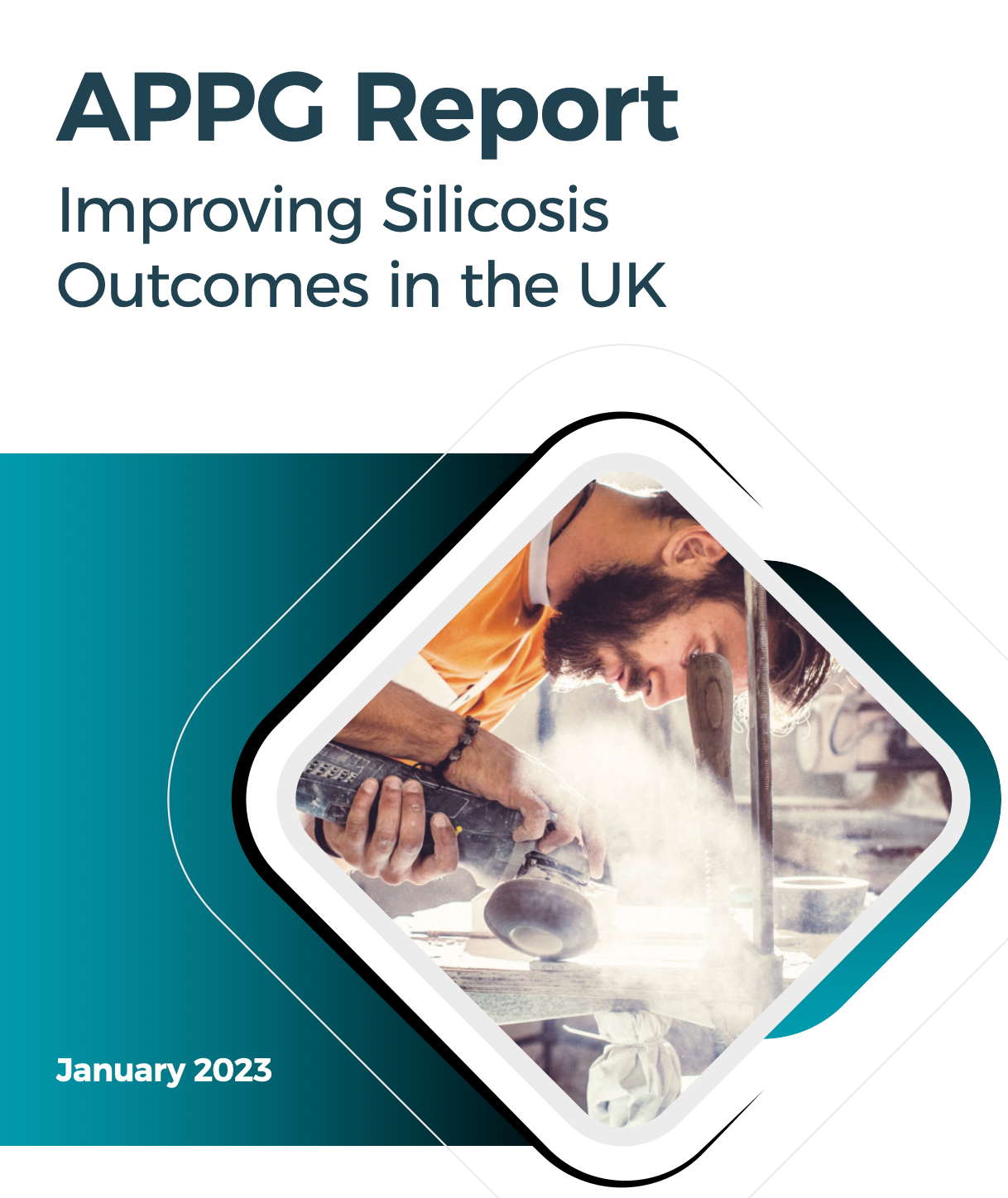
When you think of construction site risks, your mind may immediately go to falls from ladders or dropped objects, but there are a number of hidden risks that are much more concerning. One of the number one risks that can cause adverse health effects for years after working on-site is dust.
This is the complete guide to managing dust in construction and why minimising dust and investing in assessments is crucial for protecting the health and wellbeing of your employees.
What Is Construction Dust?
The types of dust you’ll find on a construction site are very different from the kind you might find in your home. There are three different kinds of dust that you will most commonly find on a job site and the kind of dust present greatly depends on the type of work that is being undertaken.
Three Commonly Found Construction Dust Types
Silica Dust: Silica dust is created when working with materials containing silica. These materials include concrete, mortar and sandstone.
Wood Dust: Wood dust is created when working with softwood, hardwood or any other wood-based products. Wood dust will be present even when working with MDF or plywood.
General Dust: This is the kind of dust you will see when working with materials that have low or no silica. The kinds of materials that produce this construction dust include plasterboard, limestone, marble and dolomite.
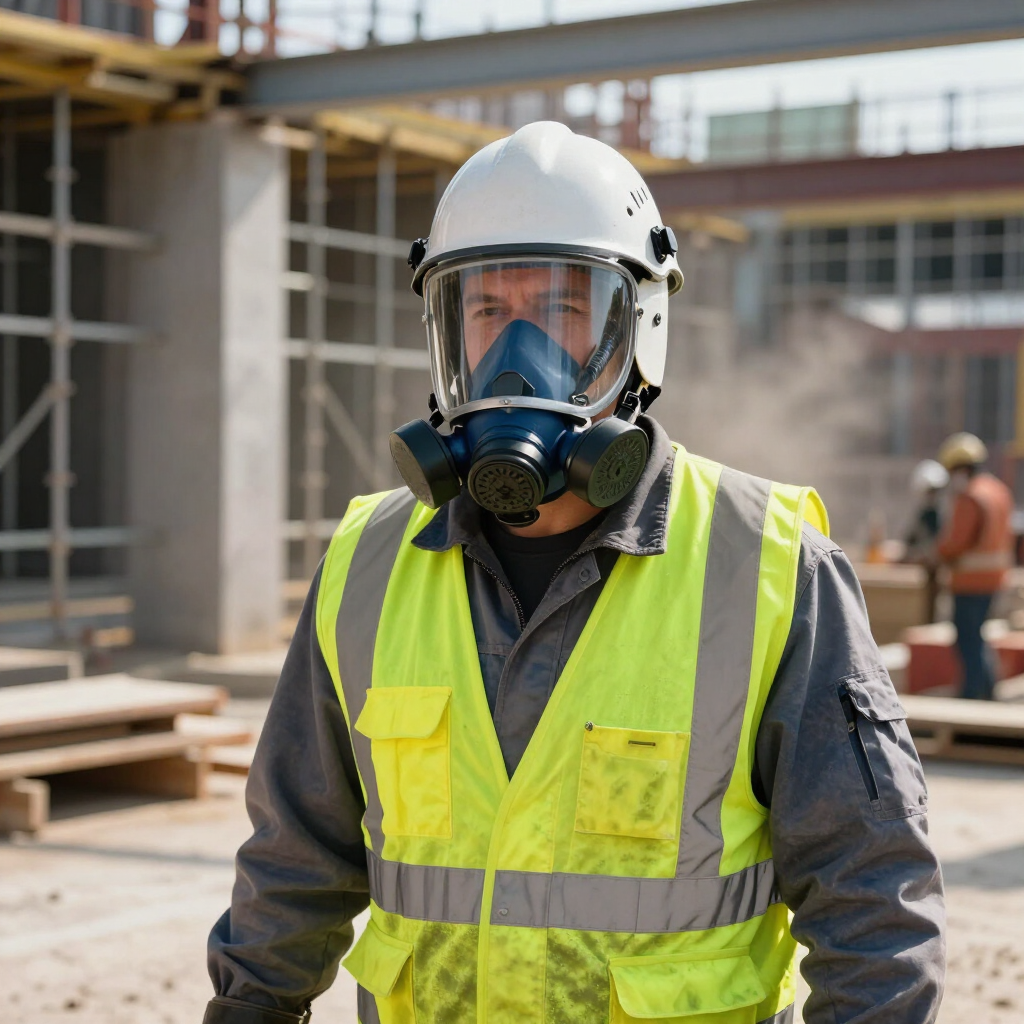
Protecting the lungs against the harmful effects of silica and wood dust is crucial, and using CleanSpace respirators ensures effective filtration and safety in environments where these hazardous particles could be present.
Why Is Construction Dust Harmful?
Construction dust can be incredibly harmful to the health of individuals who are regularly exposed. Not all construction dust is visible to the naked eye, but it is fine enough to breathe in and be embedded into your workers' lungs. The damaging effects of dust range in severity from minor skin irritations all the way up to specific types of cancer.
What Kinds Of Health Issues Can Dust Cause?
Construction dust can seriously damage your health, and in severe cases, it can lead to permanent disability or even death. Prolonged or repeated exposure to construction dust can cause a number of health problems including:
- Respiratory diseases
- Lung cancer
- Skin irritation
- Chronic obstructive pulmonary disease (COPD)
- Silicosis
- Chronic asthma
Can I Prevent Dust On Construction Sites?
When it comes to managing and preventing dust on construction sites, it’s no easy feat. Truthfully, there is very little you can do to completely prevent dust on your job sites especially if you are cutting materials at the location However, there are a few different dust solution strategies you can put in place to help manage the issue.
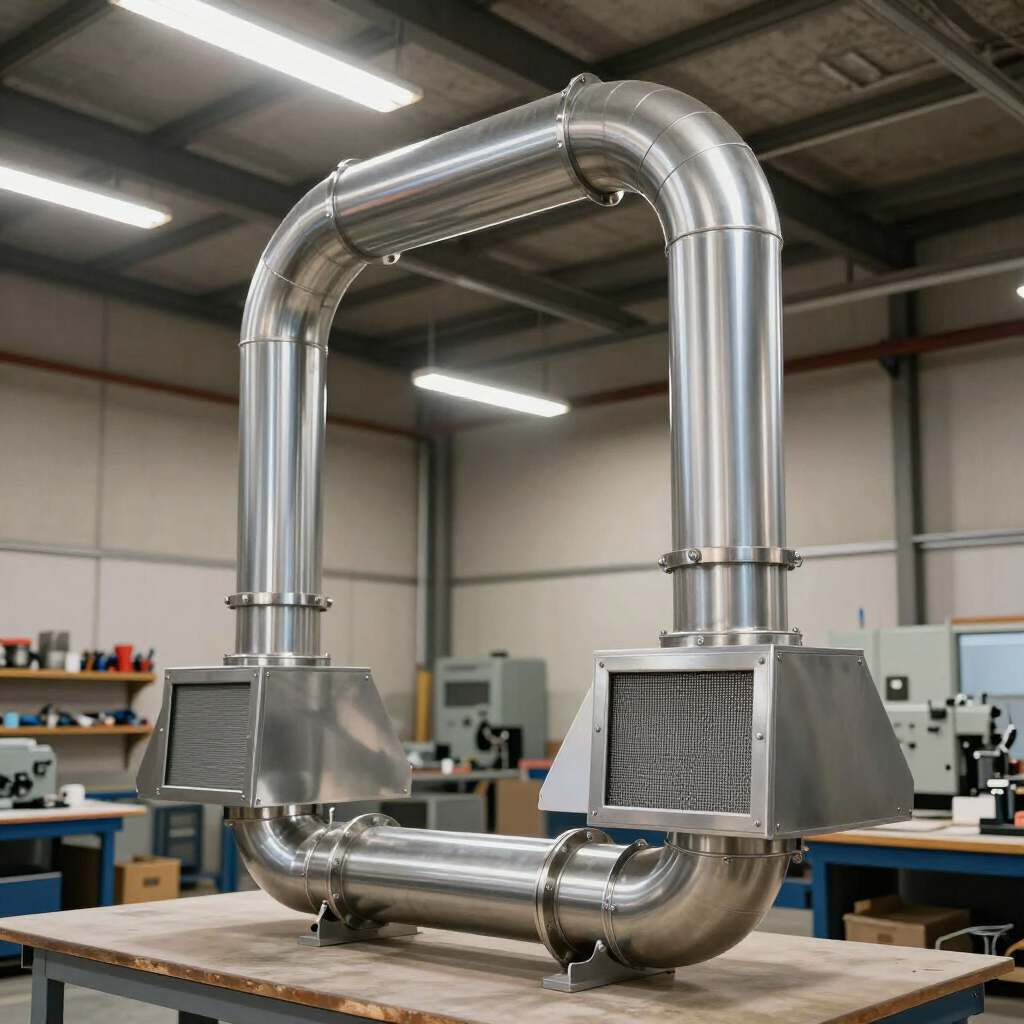
At Ultra Protect, we have a range of different dust solutions to suit every kind of construction site. From Mobile Dust Extractors to Dura Vacuums and everything in between, we have the perfect solution to help you minimise and manage your dust problem.
Why Should I Invest In a Dust Risk Assessment?
Protecting your employees from hazardous dust isn’t just something you should do, but something you legally have to do. When it comes to ensuring you are compliant with the most up-to-date rules and regulations a dust risk assessment from an experienced business like Ultra Protect is essential.
Our dust risk assessment team arrive at your site to assess your dust, suggest control measures and provide you with a detailed report of their findings and their recomendations. From the planning stages to completion our team are able to help you ensure your construction site is free from hazardous dust and compliant with the most recent dust regulations.
Ensure your employees have a safe work environment by taking all necessary precautions to minimise dust on your job site. To find out more about how we can help your business or to schedule a dust assessment and report, contact a member of our team today.