
Ensuring your employees’ health
When it comes to ensuring the health and safety of your employees, managing the dust levels on your job site is crucial. Dust, particularly woodwork dust, can cause a myriad of health issues to individuals who are exposed regularly or for extended periods of time.
This is our complete guide to ensuring you stay compliant with all the latest regulations and keep your construction sites free from woodwork dust. Protect your employees and yourself by ensuring you follow the most updated HSE regulations at all times.
What Are The Risks?
When it comes to hardwood dust, it really is something that has to be taken incredibly seriously. Hardwood dust is classified as a group 1 carcinogen by the IARC and with other 3 million workers in the EU exposed to hardwood dust on the regular, it’s an incredibly serious issue.
There are a number of different risks when it comes to repeated exposure to woodwork dust, these are some of the biggest health problems that can be attributed to regular or consistent exposure.
- Respiratory diseases
- Types of cancer including lug cancer and cancer of the nose
- Skin irritation
- Chronic obstructive pulmonary disease (COPD)
- Silicosis
- Chronic asthma
The health risks associated with woodwork dust must be taken seriously in order to protect your employees. Carpenters and joiners are four times more likely to develop asthma when compared to other kinds fo tradesmen in the UK.
There are a series of rules and regulations in place called the Control of Substaces Hazardous to Health (COSHH) 2002 that require business owners to take these risks seriously and protect their employees from the hazards of woodwork dust.
How Do I Know If I’m Compliant?
To ensure compliance, Workplace Exposure Limits (WELs) for hardwood and softwood must not be exceeded on job sites.
The WELs for both hardwood and softwood are as follows and are based on an 8-hour time-weighted average:
- Hardwood Dust: The WEL for hardwood dust is 3mg/m3.
- Softwood Dust: The WEL for softwood dust is 5mg/m3.
- Hardwood/Softwood Mixtures: for mixtures of hardwood and softwood, the hardwood dust WEL of 3mg/m3 applies.
How Do I Know If I’m Controlling Wood Dust Effectively
When it comes to knowing if you’re controlling and dealing with the woodwork dust on your job site effectively, there are three factors you’ll want to check.
- The eight principles of good control practice that are set out in Schedule 2A are applied.
- Exposure is below the relevant WEL.
- Exposure is reduced to as low a level as possible for your job site (within reason of course!).
Only once these three factors have been met will you have adequate control of wood dust.
How Can I Deal With Woodwork Dust?
If you’re looking for solutions to manage or remove woodwork dust, there are a few different methods you can choose from. Having an extraction method for the dust is one of the most effective ways to ensure you keep dust levels safe consistenly.
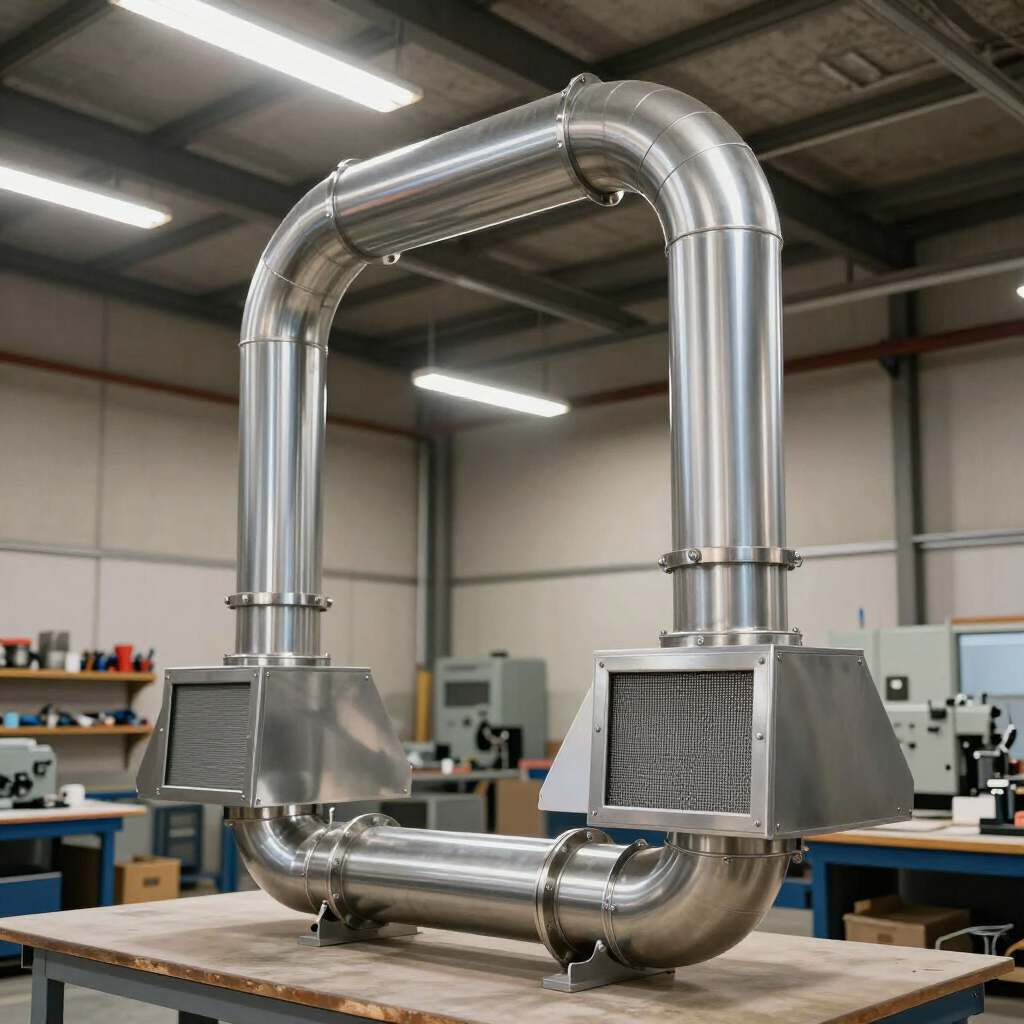
You’ll need to ensure you have access to adequate dust suppression services, or that you fit your sites with local exhaust ventilation systems near any woodworking machines.
You also need to ensure you educate all your employees about the risks of exposure to woodwork dust and the types of control methods they will have to implement. Ensure you have regular construction risk assessments and dust reports completed at your construction site to ensure compliance.
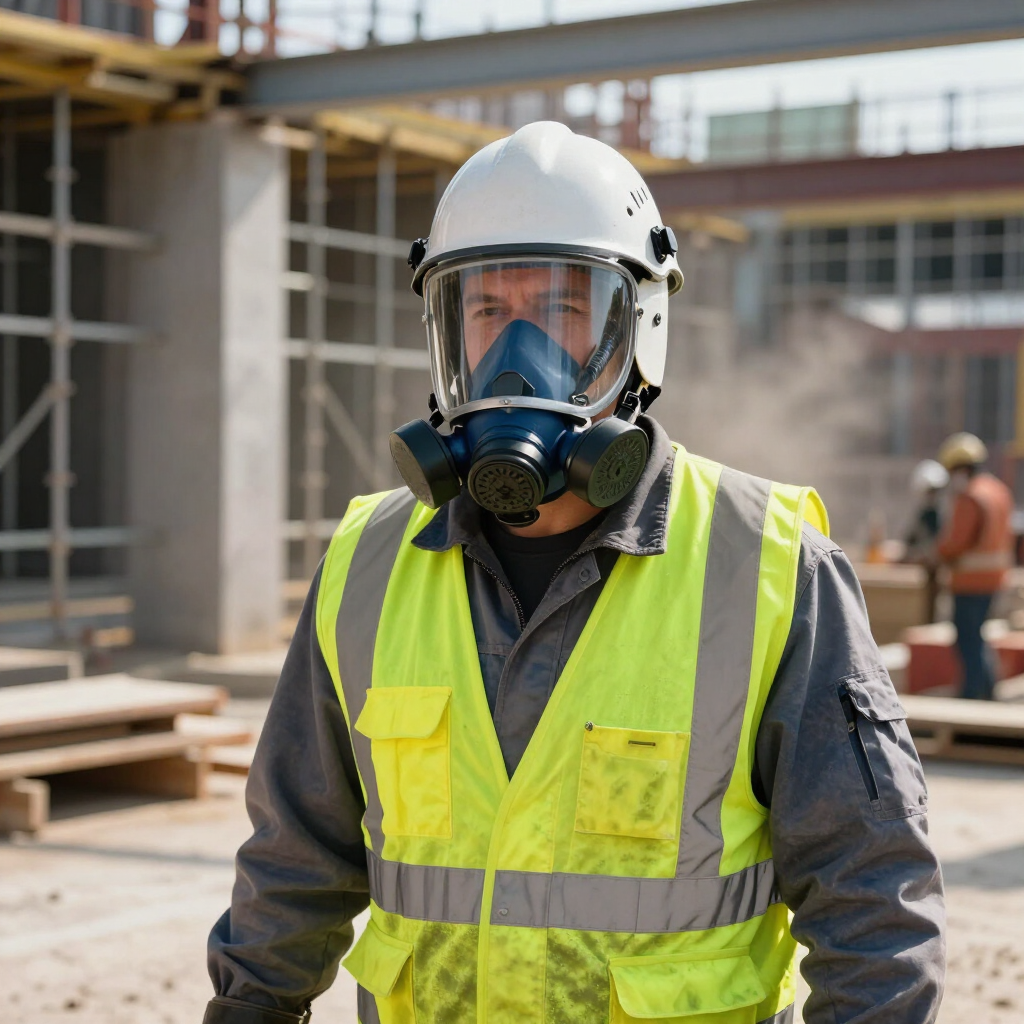
When there are particularly dusty jobs, you may need some additional protection, like a face mask. If you need to use RPE, you should:
- Ensure you choose the right mask and cartridge.
- Ensure the mask fits properly by having it ‘face fitted’ and by being clean-shaven when you use it. You could alternatively use a CleanSpace Airsensit Mask that has up to 99.7% lung protection with or without a beard if you want to keep your facial hair.
- Take care of it and change it regularly in accordance with the manufacturer's instructions.
Keep A Close Eye On Your Dust Levels
When it comes to ensuring compliance, making sure you have regular maintenance checks is key. Breathing in wood dust can be incredibly harmful and catching dangerous dust levels early can really make or break the health and safety of your employees. At Ultra Protect, we carry out a range of air quality assessments and dust management assessments so you can ensure your construction site is always in the best shape.
Catch any issues early, ensure compliance and most importantly keep your employees safe and healthy whilst at work by enlisting the help of professionals and consistently monitoring your site for any changes.