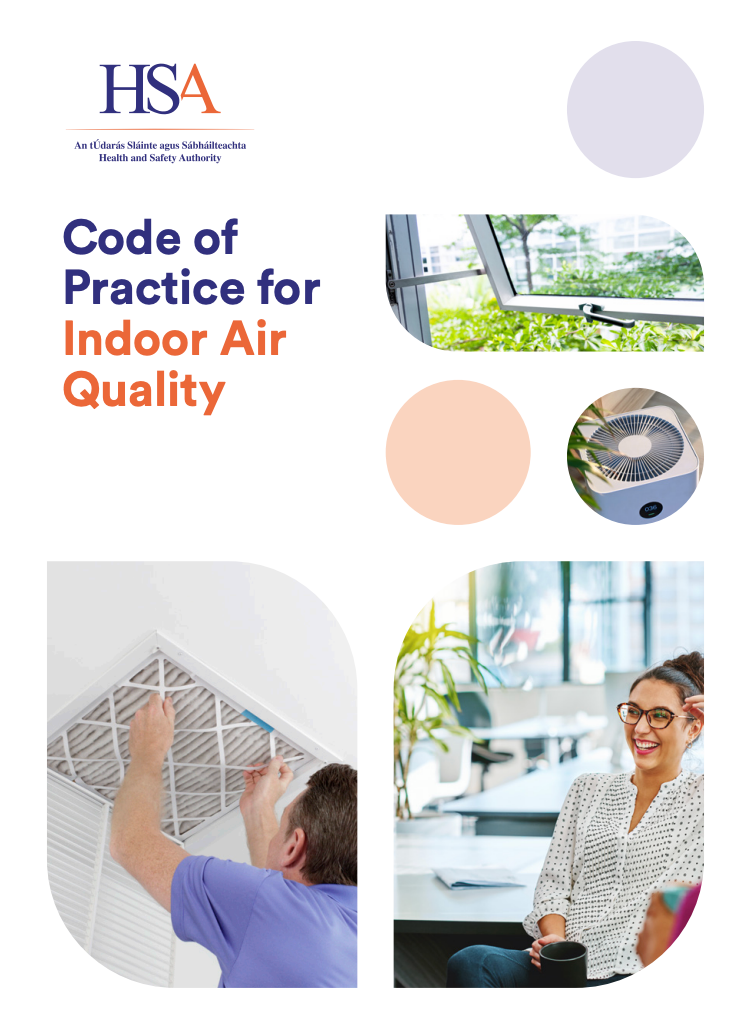

If you’ve been wondering whether the air quality in your office is affecting the productivity of your employees, we’re here to tell you that it absolutely is. This is our complete guide to just how your office air quality is negatively affecting those who work in your building as well as the steps you can take to make improvements and increase overall productivity.
From the kinds of negative effects you might be seeing in your office to the way you can go about testing your air quality, this is everything you need to know to ensure a happier, healthier office.
What Does The Term ‘Air Quality’ Mean?
Whether you’ve heard the term floating around for a while or you’re completely new to the phrase, air quality is actually quite a simple concept. In layman's terms, air quality is the term used to indicate the level of air pollution in a particular area, in this case, your office space.
Individuals are at risk of breathing in polluted air as the pollutants often aren’t visible to the naked eye. Poor air quality can have serious adverse affects on the overall health, wellbeing and cognitive function of individuals who are in the environment for extended periods of time.
What Are The Potential Consequences Of Poor Office Air Quality?
It’s no secret that being in an office day in and day out means employees are in quite close contact with their colleagues. Whilst this may not seem like a big deal, when in your office, you’re constantly breathing in polluted air that is being breathed out by those around you. This essentially means that you’re breathing up to 20% polluted air every single day just by being at work – which of course can have detrimental effects on your health.
A study undertaken by the Harvard School Of Public Health in 2021 found that poorer air quality and ventilation in office spaces led to slower response times and reduced accuracy on a number of cognitive tests.
The study is further evidence to what many were already suspecting – that poor air quality ultimately leads to lower productivity. If your workplace has poor air quality or inadequate ventilation, your employees may find it more difficult to focus, harder to complete their everyday tasks and they may be generally less productive during their work day.
Are There Any Other Benefits To Improving Office Air Quality?
Aside from improving productivity levels and cognitive function, improving the overall air quality and ventilation in your office building could lead to a number of additional benefits.
Having better ventilation and air filtration systems in place can also help prevent the spread of virsuses and illnesses so that your employees are sick less often and are always healthy, fit and ready to work to the best of their capabilities.
How Do I Know If The Air Quality Needs Improvement?
It can be difficult to know if your office air quality needs some improvements, especially since the majority of pollutants that affect employees aren’t visible to humans. That’s exactly where we come in. At Ultra Protect, we’ve got over 35 years of experience in the Air Quality and Assessment Sector so we’re experts when it comes to finding the crux of your office air quality issues.
We are familiar with many pollutant types, where pollutants are commonly found and how they affect day-to-day operations in your office. Our indoor air quality assessments can provide you with peace of mind that your employees are working in a healthy and safe environment.
Improve business response speeds, employees’ overall cognitive function and reduce the number of sick days your staff will need to take by assessing and addressing your office air quality concerns.
How To Improve Office Air Quality?
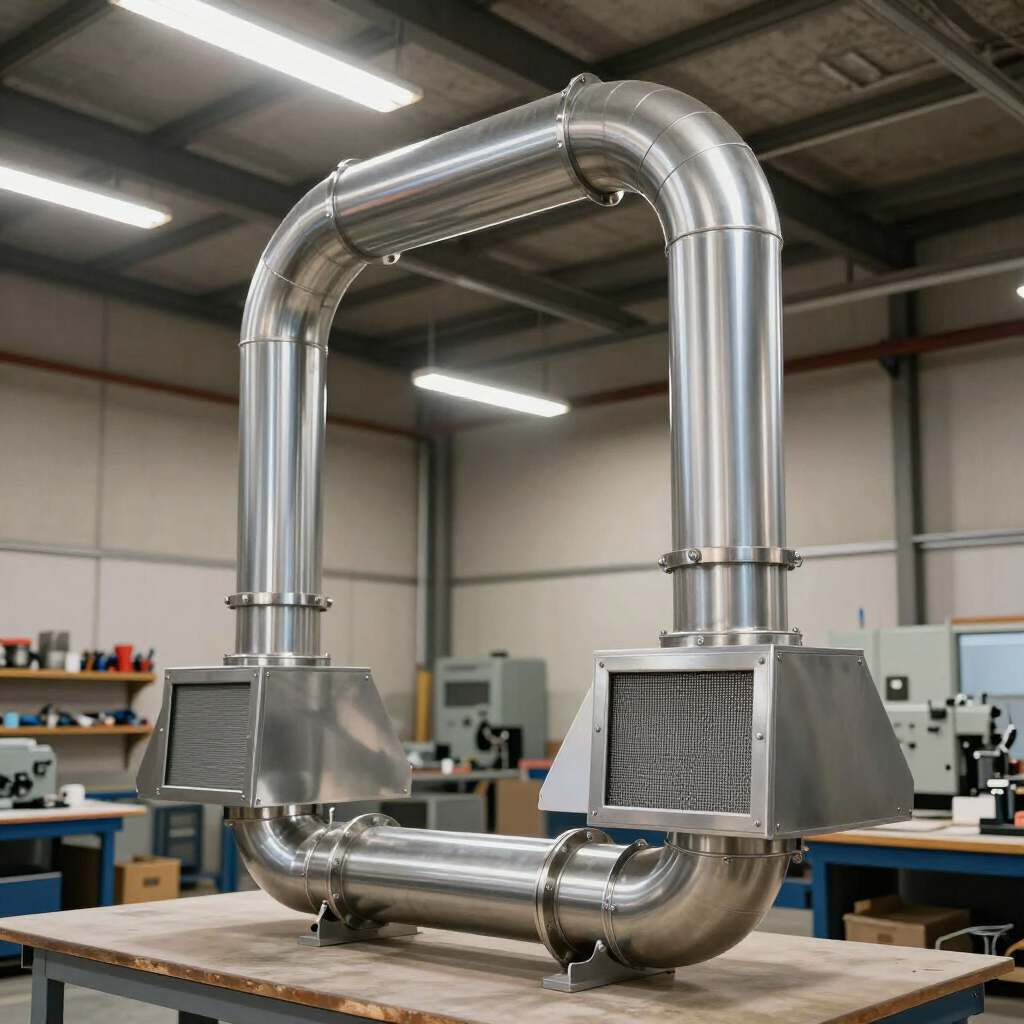
Once your air quality assessment has been carried out, our team will provide you with solutions to improve the air quality in your building. From commercial ventilation services to investing in air purifiers there are a range of different solutions that business owners must consider. At Ultra Protect, we also offer InBiot Indoor Air Quality Monitors that allow you to keep an eye on your office air quality and ensure you’re compliant at all times.
Keep Your Employees Happy, Healthy and Productive
Maintaining good office air quality as well as reducing pollutants in your office is the best way to ensure your employees are happy, healthy and their most productive at work.
If you’ve been struggling with distracted employees or frequent illnesses around your office, your air quality should be the first thing you check. Contact Ultra Protect today for all your office air quality assessment and improvement needs. Keep your office running like a well-oiled machine by investing in air quality assessments and solutions that improve the day-to-day productivity of all your employees.