Top 5 Benefits of Using Air Purifiers in Your Home and Office
Andy Potter • August 6, 2024

Enhancing Health and Comfort with Cleaner Air
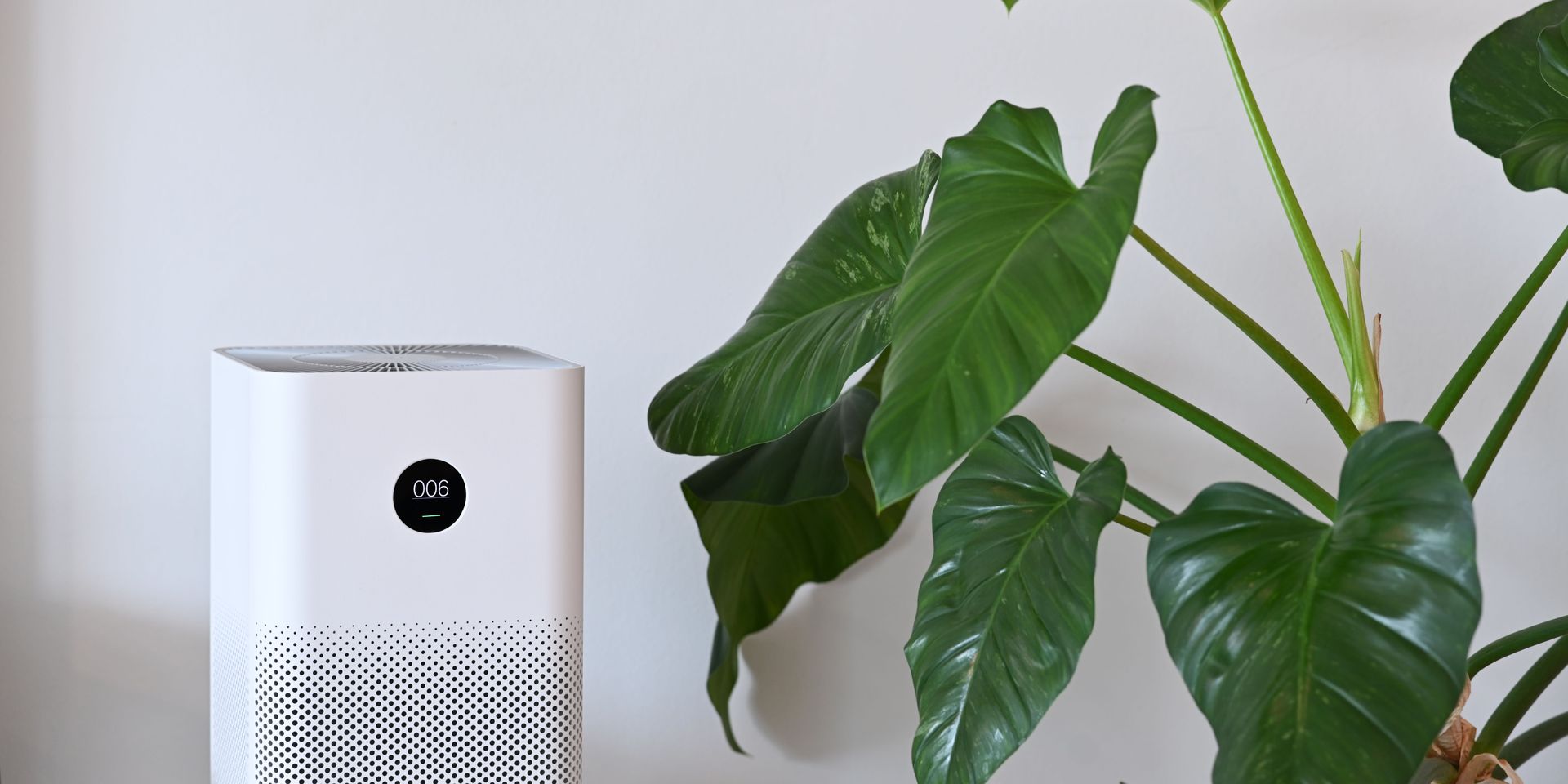
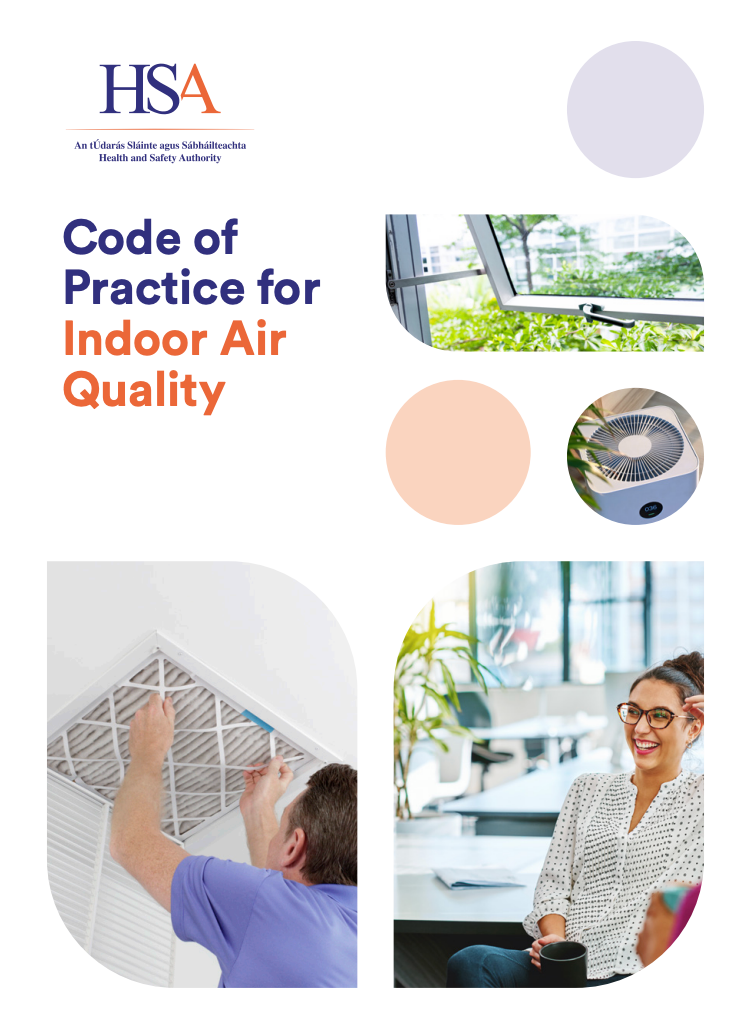
Maintaining good indoor air quality is important for both your health and comfort. Whether at home or in the office, air purifiers can help create a cleaner and healthier environment. Here are the top five benefits of using air purifiers:


1. Allergy Relief


Air purifiers can be a big help for those who suffer from allergies. Models with HEPA filters are particularly good at trapping airborne allergens like pollen, dust mites, and pet dander. By removing these particles from the air, air purifiers can help reduce symptoms like sneezing, runny nose, and itchy eyes. This makes indoor environments more comfortable and breathable for allergy sufferers.


2. Odour Removal


Unpleasant odours can make any indoor space feel unwelcoming. Air purifiers with activated carbon filters can effectively remove odours caused by cooking, pets, smoking, and other sources. These filters absorb and neutralise odour-causing particles, leaving the air smelling fresher. This is especially useful in offices, where lingering odours can be distracting and unpleasant for employees and visitors alike.


3. Improved Respiratory Health


Clean air is essential for good respiratory health. Air purifiers can remove harmful pollutants like smoke, volatile organic compounds (VOCs), and other airborne toxins. By reducing the concentration of these pollutants, air purifiers help protect your respiratory system and lower the risk of respiratory illnesses like asthma, bronchitis, and chronic obstructive pulmonary disease (COPD). This is particularly important for those with existing respiratory conditions, as well as young children and the elderly.
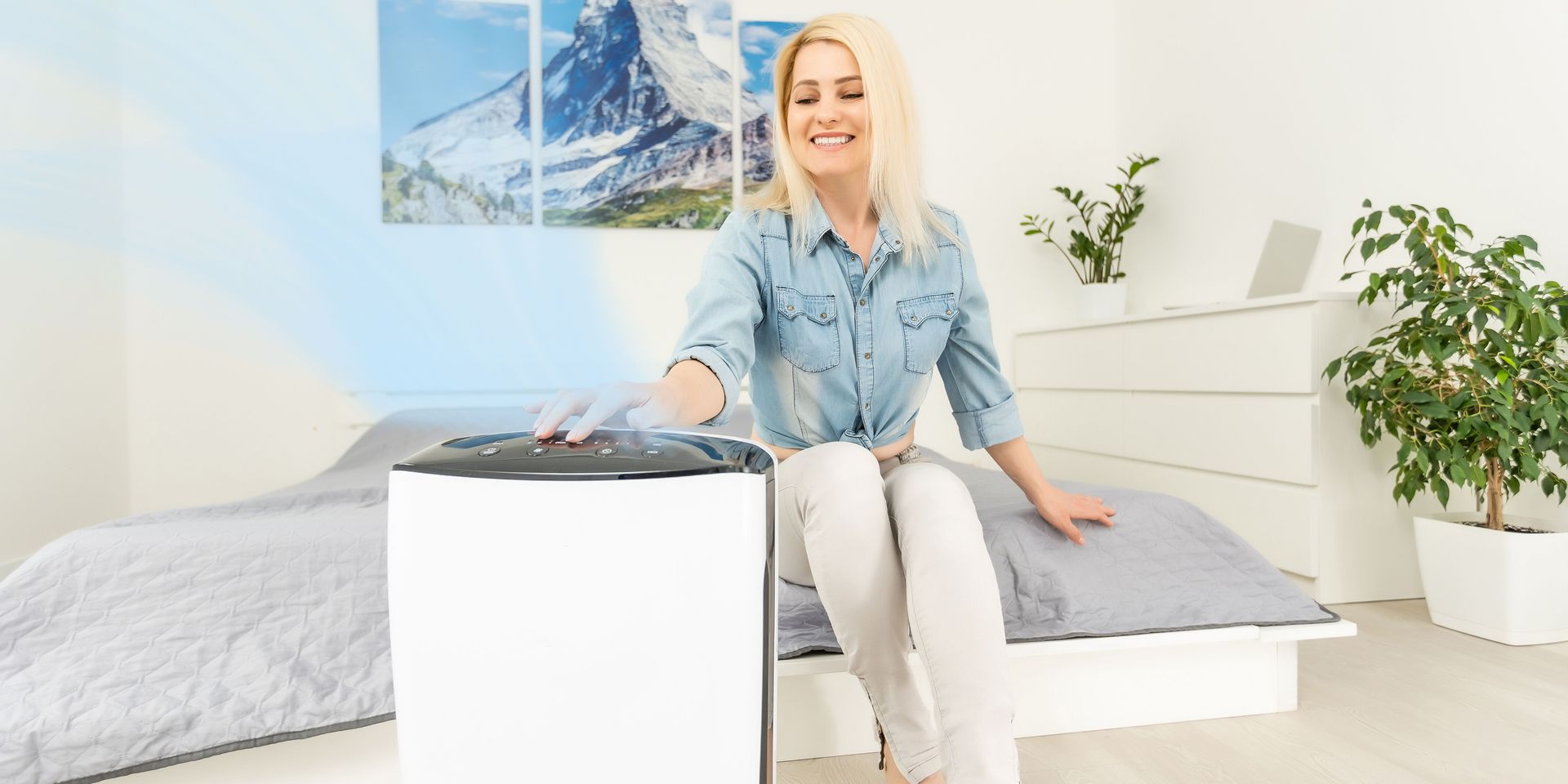
4. Enhanced Sleep Quality


Poor air quality can disrupt sleep by causing respiratory issues and discomfort. Air purifiers help by filtering out pollutants and allergens, creating a cleaner sleeping environment. This can reduce nighttime allergies and respiratory problems, leading to better sleep quality. A good night's sleep is essential for overall health, and using an air purifier in the bedroom can contribute to more restful sleep.


5. Reduction of Airborne Diseases


Airborne diseases, such as the flu and the common cold, spread through tiny droplets in the air. Air purifiers can help reduce the concentration of these airborne pathogens, lowering the risk of transmission. This is especially important in shared spaces like offices, where the spread of illnesses can impact productivity and overall health. By using air purifiers, you can create a healthier environment that helps protect against the spread of infectious diseases.


Conclusion


Air purifiers offer several benefits that contribute to a healthier and more comfortable indoor environment. From allergy relief and odour removal to improved respiratory health and better sleep quality, the advantages of using air purifiers are clear. Investing in a quality air purifier can enhance your well-being and protect the health of everyone in your home or office.


For more information on the best air purifiers for your needs, visit www.ultra-protect.co.uk.
By Andy Potter September 7, 2026
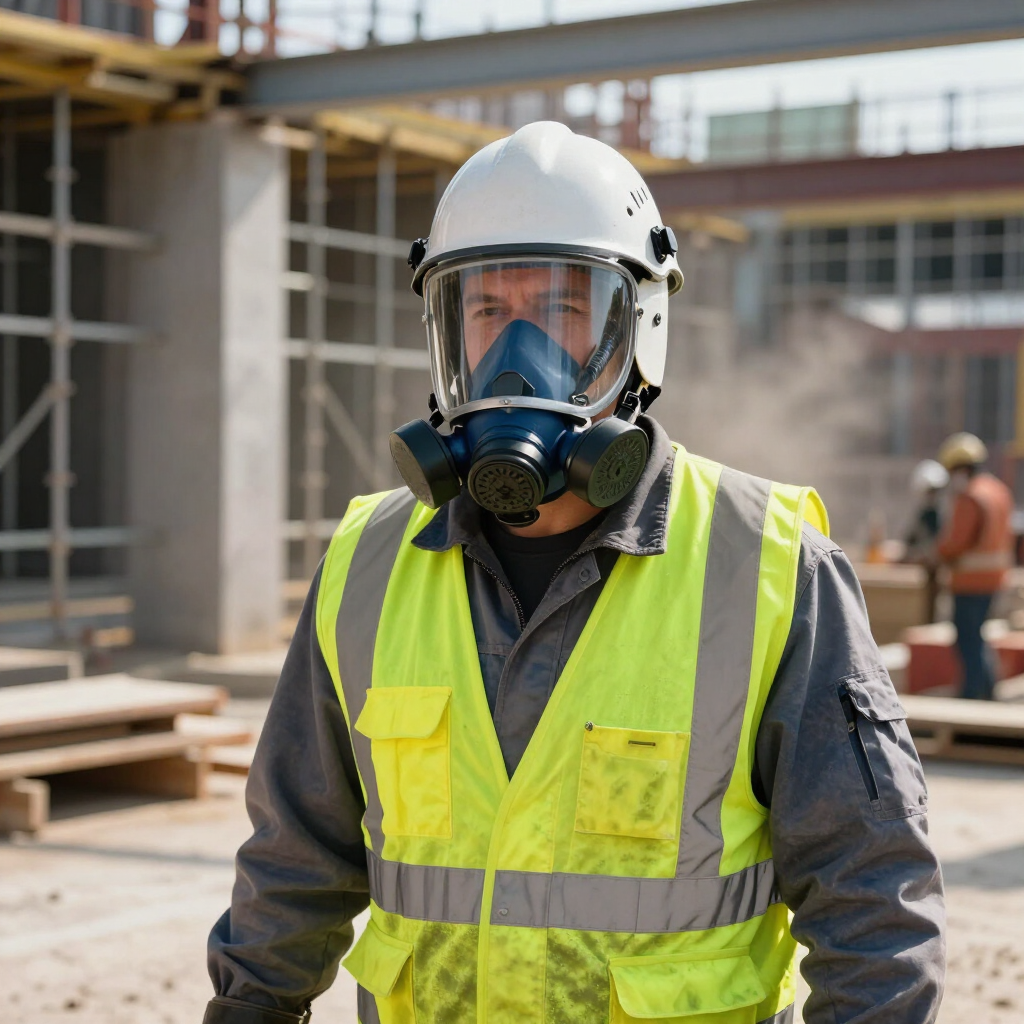
If you're responsible for health and safety in your workplace, you've probably encountered the terms "workplace exposure level," "TWA," and "STEL." But what do they actually mean, and why do they matter for dust management? The simple answer: these are legal limits set by the Health and Safety Executive (HSE) to protect workers from harmful dust exposure. If you're not monitoring them, you're flying blind and potentially breaking the law. What is Workplace Exposure Level? A workplace exposure level (WEL) is the maximum amount of a harmful substance that a worker can be exposed to during their working day without suffering adverse health effects. For dust, it's measured in milligrams per cubic metre of air (mg/m³). The HSE sets these limits based on scientific evidence about how different dust types affect human health. Different dusts have different exposure limits because they pose different risks. For example, the WEL for respirable crystalline silica is far stricter than for general inert dust, because silica is significantly more harmful to the lungs. Think of it this way: the WEL is your compliance baseline. If dust concentrations in your workplace stay below this limit, you're meeting your legal obligation. If they exceed it, you have a duty to investigate why and take corrective action. Download the HSEs guidance on workplace exposure limits If you want to understand the levels in your workplace contact us about our silica air sampling services TWA: The 8-Hour Average TWA stands for Time-Weighted Average, and it's the most commonly referenced exposure limit. The TWA measures the average concentration of a substance over a standard 8-hour working day. Here's why that matters: dust exposure isn't constant. Workers might face high concentrations during certain activities (cutting, grinding, demolition) and lower concentrations during others. The TWA accounts for these fluctuations by averaging them out over the full shift. This recognises that workers can tolerate brief periods of higher exposure, provided the average stays within acceptable limits. For example, the current WEL for respirable crystalline silica is 0.1 mg/m³ as an 8-hour TWA. This means that if a construction worker is grinding stone for part of their shift but doing lower-dust tasks for the rest, the daily average should not exceed this level. The advantage of TWA is that it's practical for real-world work. Few jobs maintain constant dust levels. The disadvantage is that it can mask dangerous peaks, if a worker is exposed to very high concentrations for a short period, the TWA might still look acceptable. STEL: The Short-Term Exposure Limit STEL stands for Short-Term Exposure Limit, and it's your safety net for peak exposures. A STEL is the maximum concentration a worker should experience during any 15-minute period in a working day, and no more than four such periods should occur, with at least 60 minutes between them. The STEL exists precisely because the TWA can obscure dangerous peaks. Imagine a worker exposed to very high silica dust for 15 minutes whilst cutting stone, then lower levels for the rest of the day. The TWA might be within limits, but those 15 minutes could still cause significant lung damage. There should be a maximum of 4 STEL's in a single working day and there must be at least 60-minutes between each STEL period. Not all dusts have a STEL, but those that do (like respirable crystalline silica) reflect a recognition that short, intense exposures carry genuine health risks that the 8-hour average doesn't capture. Reducing personal exposure to inhalable dust with Cleanspace Respirators
By Ultra Protect September 7, 2026
Learn what respirable crystalline silica dust is, the symptoms, UK exposure limits, and how to test for it on site. A practical guide from Ultra Protect.