
SILICA DUST MONITORING
Need silica dust monitoring in Dartford?
If you need to understand whether workers are being exposed to hazardous levels of respirable crystalline silica, Ultra Protect provides specialist silica dust monitoring in Gravesend and across the surrounding Kent area.
Based in Gravesend, our team can help businesses assess workplace exposure, investigate higher-risk processes and understand whether existing silica dust controls are performing effectively.
Speak to the Ultra Protect team today.
Local Silica Dust Monitoring From Our Dartford Team
Ultra Protect is based in Dashwood Road, Gravesend, giving businesses throughout Gravesend, Northfleet, Ebbsfleet and the wider Gravesham area direct access to specialist workplace dust monitoring support.
Gravesham has a long industrial heritage, particularly along the Thames, with construction, aggregates, manufacturing, engineering and other industrial activities forming an important part of the local economy.
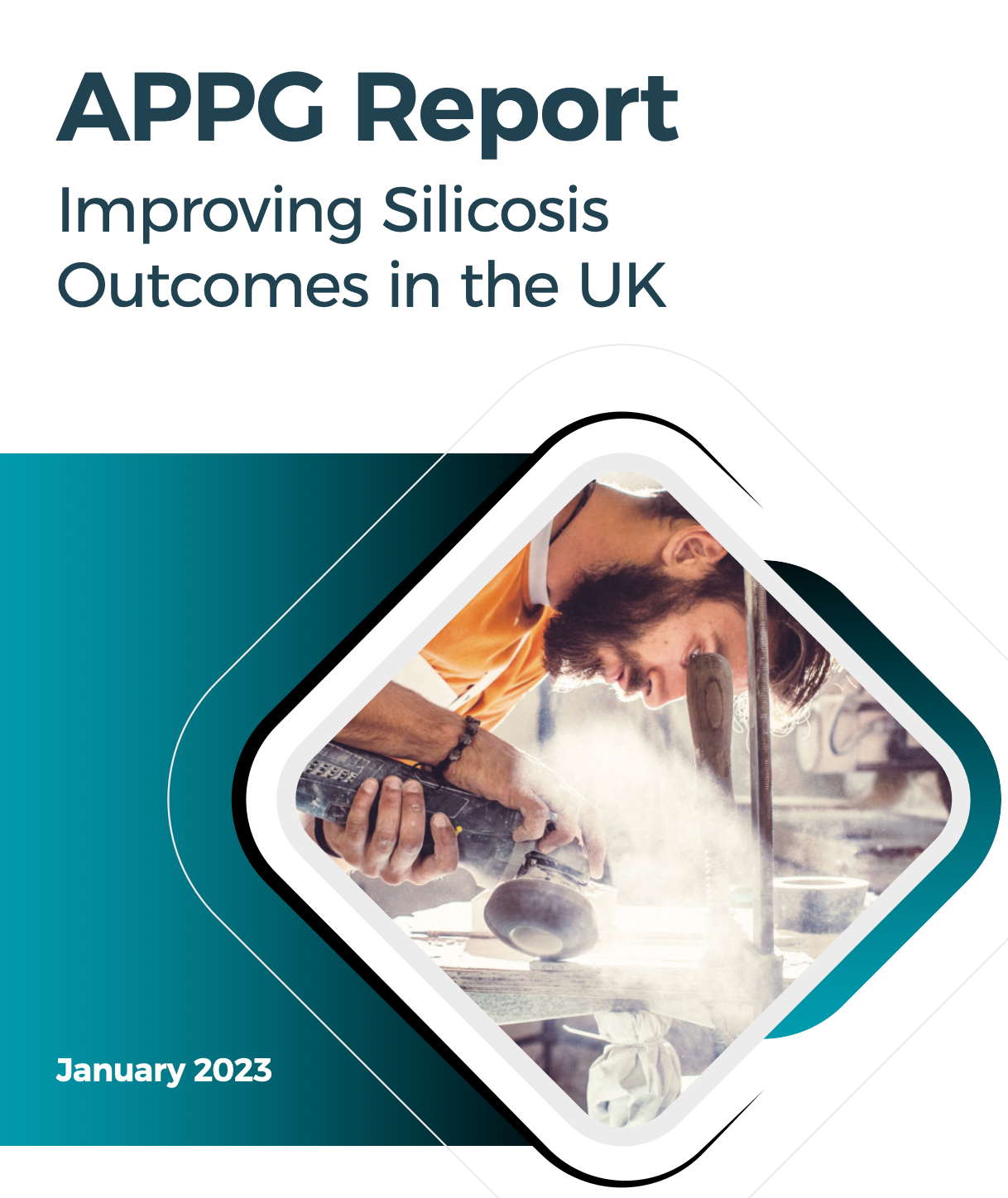
Where materials such as concrete, stone, brick or mortar are cut, drilled, ground, broken or otherwise disturbed, respirable crystalline silica may be released.
Silica monitoring can help employers understand the actual exposure created by these activities rather than relying upon assumptions.
Our Expertise
What Is Respirable Crystalline Silica?
Crystalline silica occurs naturally in many common construction materials, including concrete, brick, mortar, sand, sandstone, stone, paving products and tiles, as well as both engineered and natural stone products.
When these materials are cut, drilled, ground, sanded or otherwise mechanically disturbed, very fine particles of silica dust can become airborne. The smallest of these particles are known as respirable crystalline silica (RCS).
RCS particles are extremely small and, when inhaled, can penetrate deep into the lungs. Repeated or long-term exposure can present a serious health risk and has been associated with occupational diseases including silicosis, chronic obstructive pulmonary disease (COPD) and lung cancer.
Which Dartford Workplaces May Need Silica Monitoring?
Silica exposure can occur across a wide range of industries.
Businesses in and around Gravesend may need to consider monitoring where workers undertake activities involving silica-containing materials.
This can include:
01
Construction
Cutting concrete, drilling walls, chasing masonry, grinding surfaces and other common construction activities can produce RCS.
02
Groundworks and Civil Engineering
Breaking concrete, cutting kerbs and paving, excavating materials and other groundworks can generate significant amounts of dust.
03
Demolition
Breaking or crushing concrete, masonry and other construction materials can release large quantities of airborne particulate.
04
Stone and Masonry Work
Cutting, shaping, polishing and finishing natural or engineered stone can create high concentrations of fine dust.
05
Manufacturing and Workshops
Some manufacturing processes use silica-containing raw materials or involve cutting and processing mineral-based products.
06
Refurbishment and Maintenance
Smaller or intermittent tasks can still generate substantial short-term dust exposure, particularly within enclosed buildings. The need for monitoring depends upon the actual processes, materials, frequency and duration of exposure.
Why Monitor Silica Dust?
Monitoring can help answer one of the most important questions in workplace dust management:
What are workers actually being exposed to?
Risk assessments and visual observations remain important, but they cannot always determine the concentration of RCS within an individual's breathing zone.
Silica monitoring can provide evidence that helps businesses:
- Evaluate worker exposure
- Identify higher-risk processes
- Investigate concerns
- Assess existing control measures
- Compare different working methods
- Review new equipment
- Support COSHH assessments
- Demonstrate whether improvements have reduced exposure
The results can then be used to prioritise practical action.
Personal Silica Dust Monitoring
Personal exposure monitoring is designed to assess the air close to an individual worker's breathing zone.
A worker typically wears sampling equipment while carrying out their normal tasks.
Air is drawn through a suitable collection medium at a controlled flow rate throughout the sampling period.
The sample can then be analysed to determine the concentration of respirable crystalline silica collected.
This allows exposure to be considered against the circumstances of the work and relevant Workplace Exposure Limits.
Workplace Exposure Limit for RCS
The UK Workplace Exposure Limit for respirable crystalline silica is:
0.1 mg/m³
Measured as an 8-hour time-weighted average.
However, the exposure limit should not be treated as a target. Employers should seek to prevent exposure where reasonably practicable and otherwise adequately control it, keeping exposure as low as reasonably practicable.
Silica monitoring can help provide evidence of the actual levels occurring under normal working conditions.
The Difference Between Dust Monitoring and Silica Testing
Not all dust is silica, and not all respirable dust contains the same concentration of crystalline silica. A real-time monitor may provide valuable information about airborne particulate levels, but it does not necessarily identify exactly how much of that dust is crystalline silica.
Specific RCS air sampling is used where the objective is to assess exposure to respirable crystalline silica.
This distinction is important.
A workplace may have substantial respirable dust exposure, but the silica content will depend on the materials and processes involved.
Equally, certain silica-containing materials may create significant RCS exposure even where the overall environment does not appear heavily dusty.
Selecting the right monitoring method therefore starts with understanding the question that needs to be answered.
How Is Silica Dust Monitoring Carried Out?
The exact monitoring strategy will depend upon the workplace and the reason testing is required.
A typical assessment may include:
Understanding the Work
We establish which processes, materials and workers need to be considered.
Selecting Representative Workers and Tasks
Monitoring should reflect the activities most relevant to potential exposure.
Personal Air Sampling
Workers wear appropriate sampling equipment while carrying out their normal work.
Recording Workplace Conditions
The activities performed, controls used and other relevant circumstances are recorded alongside the monitoring.
Laboratory Analysis
Collected samples can be analysed to determine respirable crystalline silica concentrations.
Interpretation
Results need to be considered in the context of the tasks, duration, existing controls and exposure pattern.
Recommendations
Where appropriate, findings can be used to identify opportunities to improve silica dust management.
Monitoring Silica Dust on Construction Sites in Dartford
Construction is one of the industries where RCS exposure is most commonly encountered.
Typical silica-generating activities include:
- Cutting concrete blocks
- Cutting paving slabs
- Grinding concrete
- Drilling masonry
- Wall chasing
- Breaking concrete
- Surface preparation
- Cutting roof tiles
- Dry sweeping dusty areas
- Handling rubble and waste
Gravesend and the wider Gravesham area continue to support significant construction and infrastructure activity.
Monitoring can help contractors understand whether the controls used during these tasks are delivering adequate protection in real site conditions.
Gravesend, Northfleet and the Thames-Side Industrial Area
The Gravesend and Northfleet area has a substantial industrial and commercial base. Employment land along the Thames includes industrial estates, manufacturing sites, warehousing and ongoing redevelopment.
The wider area has historically included aggregates, cement production, metal processing, engineering and other industrial activities.
For businesses working with mineral-based materials, silica monitoring can form an important part of understanding occupational dust exposure.
Ultra Protect can support businesses across:
- Gravesend
- Northfleet
- Ebbsfleet
- Swanscombe
- Greenhithe
- Dartford
- Meopham
- Longfield
- Gravesham
- North Kent
Is Silica Monitoring Required Under COSHH?
Respirable crystalline silica is hazardous to health and falls within the requirements of the Control of Substances Hazardous to Health Regulations.
Employers need to assess risks and prevent or adequately control exposure.
Monitoring may be appropriate where:
- Exposure levels are uncertain
- There is concern about the effectiveness of controls
- Workers undertake higher-risk activities
- Working methods have changed
- New equipment has been introduced
- Previous monitoring identified elevated exposure
- Evidence is required to support a risk assessment
- The employer wants to verify that controls are working
Monitoring should always be undertaken for a clear reason and the results used to support practical workplace decisions.
Silica Monitoring and Dust Control
Silica monitoring is most valuable when it forms part of a wider dust-control strategy. The first step is to assess where exposure to silica dust could occur, which activities are likely to generate respirable crystalline silica (RCS), and who may be affected.
Suitable control measures should then be put in place to prevent or minimise exposure. Where necessary, monitoring can be used to measure exposure and provide a clearer understanding of what is happening during normal working activities.
The results should then be reviewed to determine whether the existing controls are working effectively or whether further improvements are required.
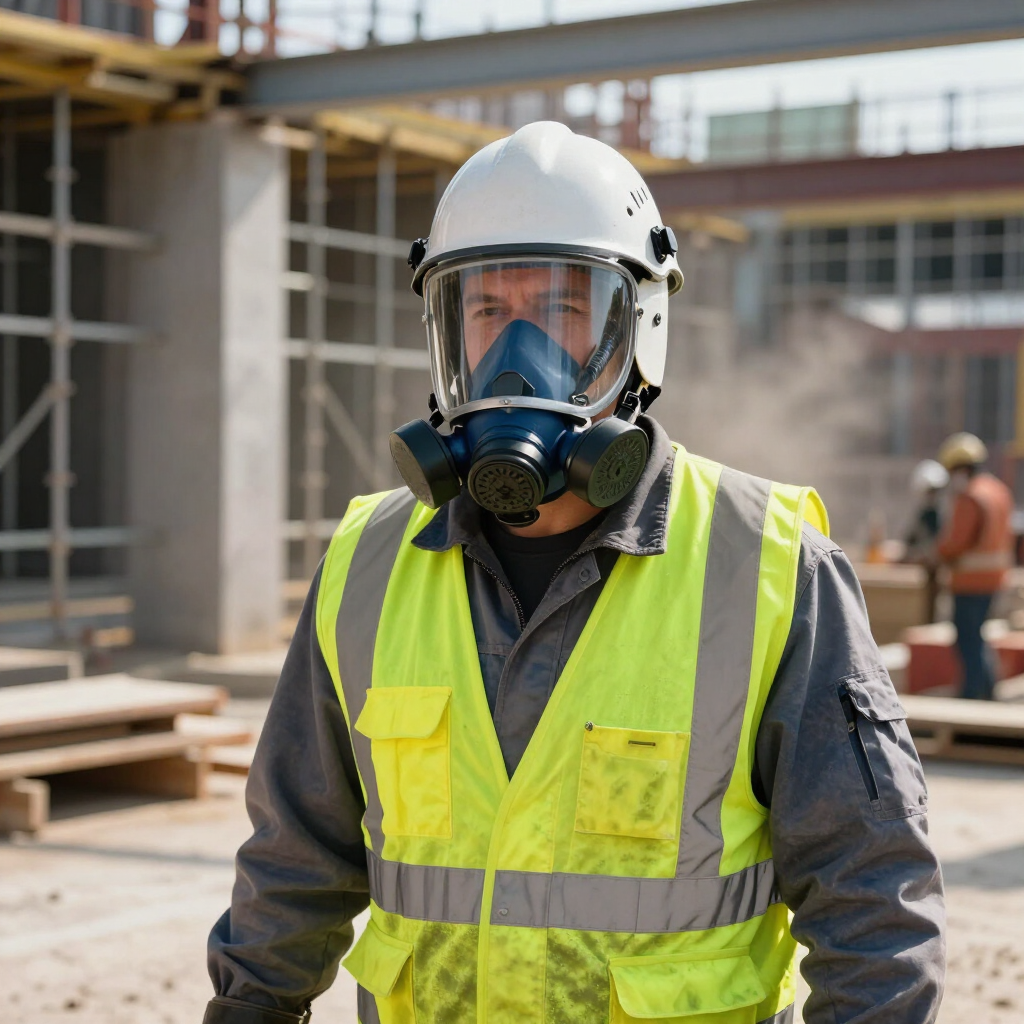
Where monitoring identifies higher exposure than expected, this may indicate that existing control measures need to be reconsidered or strengthened. Depending on the work being undertaken, improvements could include water suppression, on-tool extraction, local exhaust ventilation, enclosure or segregation of dusty activities, changes to working methods, improved housekeeping or the use of suitable respiratory protective equipment (RPE).
A Local Dartford Silica Monitoring Service
Because Ultra Protect is based in Gravesend, businesses in the local area have access to specialist support from a team familiar with workplace dust and air-quality management.
Whether you operate a construction site, industrial unit, workshop, manufacturing facility or other workplace where silica-containing materials are used, we can help you better understand potential RCS exposure.
Silica Dust Monitoring Dartford FAQs
What is silica dust monitoring?
Silica dust monitoring measures worker exposure to respirable crystalline silica during normal workplace activities.
Personal monitoring typically involves air sampling close to the worker's breathing zone so that exposure can be assessed over a representative period.
Who needs silica dust monitoring in Dartford?
Any business where workers may be exposed to RCS should consider whether monitoring is appropriate.
This can include construction, demolition, groundworks, stonework, engineering, manufacturing and other activities involving silica-containing materials.
How do I know whether we need RCS monitoring?
Monitoring may be appropriate if exposure is uncertain, higher-risk processes are being undertaken or you need to establish whether existing dust controls are effective.
A workplace assessment can help determine whether monitoring would provide useful information.
What is the legal exposure limit for silica dust?
The UK Workplace Exposure Limit for respirable crystalline silica is 0.1 mg/m³ as an 8-hour time-weighted average.
Exposure should nevertheless be prevented where reasonably practicable or otherwise adequately controlled and kept as low as reasonably practicable.
Can silica dust monitoring be carried out on a construction site?
Yes.
Personal exposure monitoring can be undertaken while workers perform representative construction activities such as cutting, drilling, grinding or breaking silica-containing materials.
Can Ultra Protect monitor silica exposure in Northfleet and Ebbsfleet?
Yes.
Ultra Protect provides silica dust monitoring throughout Gravesend, Northfleet, Ebbsfleet and the surrounding Kent area.
Can monitoring show whether our extraction system is effective?
Yes.
Monitoring can help assess worker exposure while extraction or other controls are operating.
The results can then help determine whether further investigation or improvements may be required.
How often should silica monitoring be carried out?
There is no single monitoring frequency suitable for every workplace.
Repeat monitoring may be appropriate following changes to processes, equipment or controls, or where previous results indicate that exposure needs further investigation.
Book Silica Dust Monitoring in Dartford
If your business needs to understand workplace exposure to respirable crystalline silica, Ultra Protect can help.
From our Gravesend base, we provide specialist silica dust monitoring and practical workplace support across Gravesend, Northfleet, Ebbsfleet and the surrounding areas.
Speak to Ultra Protect about silica dust monitoring in Gravesend.
Call: 0800 644 6605
Email: contact@ultra-protect.co.uk
who we help
Industries We Work With






Ultra-Protect are in partnership with WWF a Dust management specialist.

Nature's Symphony
Blog
Our Latest News







Accreditations

Get in Touch
Call us on 0800 644 6605 or complete the form below and we'll get back to you as soon as we can.
One Team. One Vision.
Get in touch with us today if you are interested in speaking to one of our experts.