
SILICA DUST CONTROL
Explore our Silica Dust Control Services
Effective silica dust control is about stopping that dust from reaching the breathing zone of workers and other people who may be affected.
Ultra Protect helps businesses across the UK identify sources of respirable crystalline silica (RCS), evaluate existing control measures and develop practical solutions to reduce workplace exposure.
Silica dust cannot be managed effectively by relying on a single piece of equipment or simply providing workers with dust masks.
Need help controlling silica dust in your workplace?
Contact Ultra Protect to discuss your requirements.
Effective Control of Respirable Crystalline Silica
A successful control strategy starts by understanding:
- Where silica dust is being generated
- Which materials and processes are responsible
- Who could be exposed
- How much dust the activity may produce
- How frequently the task is undertaken
- How long exposure may continue
- The environment in which the work takes place
- Which controls are currently being used
- Whether those controls are actually effective
Once these factors are understood, appropriate measures can be selected to prevent or reduce exposure.
The objective is simple:
control the dust as close to its source as possible and minimise the amount of respirable crystalline silica that workers can inhale.
Silica Dust Control and COSHH
Respirable crystalline silica is a hazardous substance and exposure must be appropriately managed under the Control of Substances Hazardous to Health Regulations.
Employers need to consider whether workers could be exposed to RCS and take suitable measures to prevent exposure where reasonably practicable or adequately control it where prevention is not possible.
The UK Workplace Exposure Limit for respirable crystalline silica is:
0.1 mg/m³
Measured as an 8-hour time-weighted average.
However, the Workplace Exposure Limit should not be regarded as an acceptable exposure target.
The priority should always be to prevent or minimise exposure using effective controls.
The Silica Dust Control Hierarchy
Eliminate the Dust-Generating Process
The first consideration should be whether the activity creating silica dust is necessary at all. Where possible, dust can be avoided by using pre-cut or alternative materials, changing the design or construction method, or carrying out dusty work away from occupied areas.
Preventing silica dust from being created is always more effective than trying to control it afterwards.
Reduce Dust Generation
Where the process cannot be eliminated, consider whether it can be modified to produce less airborne dust.
The material, equipment, speed, method of working and duration of the activity can all influence the amount of RCS generated.
Small changes to working methods can sometimes significantly reduce exposure.
Control Silica Dust at Source
Where silica dust is generated, it should be captured or suppressed as close to the source as possible. This may involve water suppression, on-tool extraction, ventilation, enclosures, screening or dust collection systems.
The most effective solution will depend on the activity and working environment.
Water Suppression
for Silica Dust
Water suppression is commonly used when cutting concrete, stone, paving and other silica-containing materials, helping to prevent fine dust becoming airborne.
For effective control, water must reach the point where dust is generated at the correct and consistent flow. Equipment, working methods, duration and maintenance can also affect its effectiveness. Slurry and water mist must also be managed carefully, as dried slurry can become another source of silica dust.
On-Tool Silica Dust Extraction
On-tool extraction captures silica dust close to where it is created and can be effective for drilling, grinding, chasing, sanding, cutting and other powered-tool tasks.
Effective control depends on the complete system, including the tool, shroud, hose, extraction unit, filtration and airflow. Simply connecting a vacuum cleaner to a power tool may not provide adequate silica dust control.
Questions to Ask
- Is the extraction system suitable for the particular tool?
- Is the hood or shroud positioned correctly?
- Is dust being captured close to its source?
- Is airflow sufficient?
- Are hoses damaged, blocked or leaking?
- Are suitable filters installed?
- Are filters being changed or cleaned correctly?
- Is the equipment maintained?
- Are workers using the system consistently?
- Is dust escaping during normal use?
Most importantly: Is the control actually reducing exposure in real working conditions?
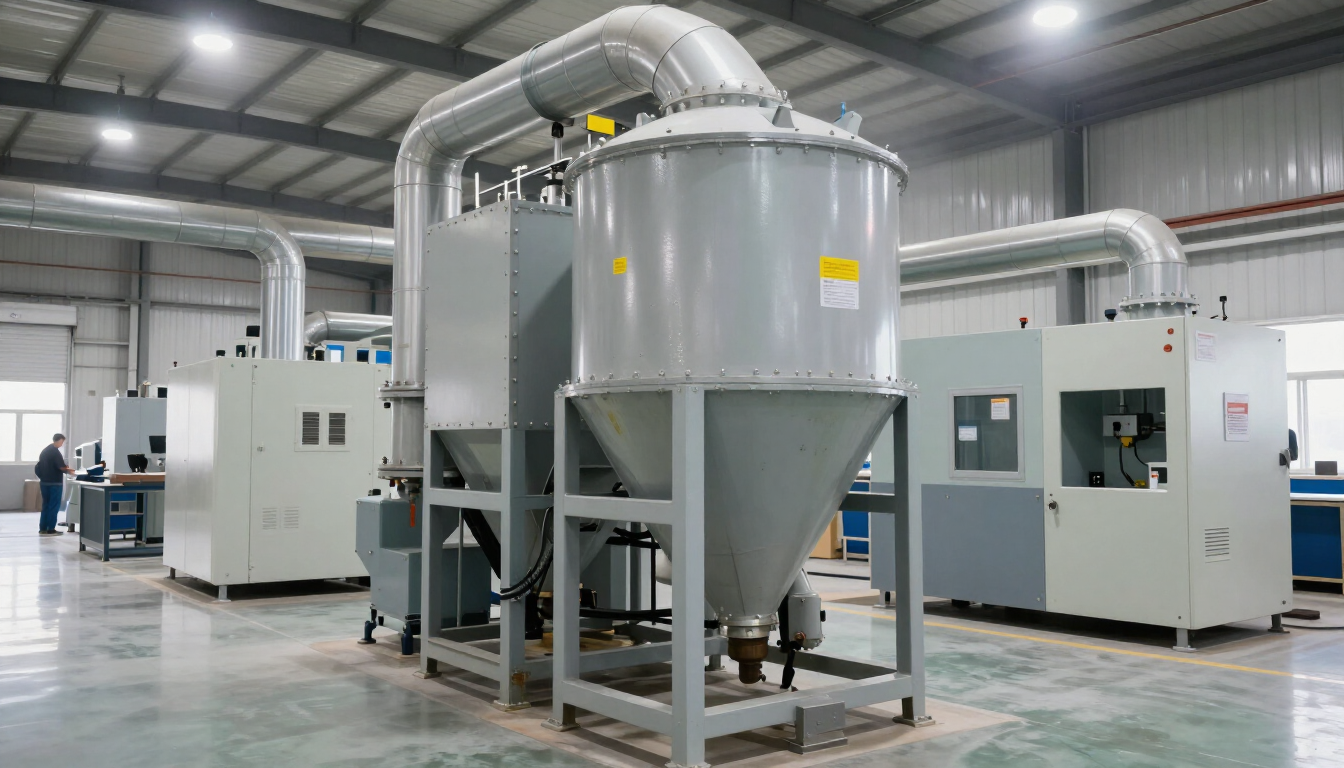
Local exhaust ventilation, or LEV, can form part of a silica dust control strategy for certain processes.
Our Expertise
Local Exhaust Ventilation and Silica Dust
A correctly designed system removes contaminated air close to the point of generation before it spreads into the wider workplace.
The effectiveness of LEV depends upon appropriate design, positioning, airflow, filtration, maintenance and correct use.
Changes to equipment, processes or layouts can also affect performance.
A ventilation system that worked effectively when first installed should not automatically be assumed to remain effective indefinitely.
Segregating Dusty Work
Silica exposure is not limited to the person operating the tool.
Airborne dust can spread into surrounding areas and expose other workers who have no direct involvement in the activity.
Where appropriate, dusty processes can be separated from other workers through:
- Designated work areas
- Physical screening
- Enclosures
- Restricted access
- Scheduling dusty work at different times
- Increasing the distance between the source and other people
Segregation can reduce the number of people potentially exposed, but it should normally complement controls at source rather than replace them.
Controlling Silica Dust Indoors
Silica dust can be particularly challenging inside buildings and other enclosed environments. Limited natural air movement can allow airborne particles to accumulate and migrate into adjoining areas.
Internal silica dust control may therefore need to consider:
- Room dimensions
- Natural ventilation
- Mechanical ventilation
- Air movement
- Extraction
- Enclosures and barriers
- Doorways and access routes
- Adjacent occupied areas
- Other contractors
- Cleaning arrangements
- Duration of work
Refurbishment projects can be especially complex because working conditions and layouts can change repeatedly as the project progresses.
Silica Dust Control Outdoors
Outdoor working should not automatically be regarded as low risk. Natural ventilation can help disperse airborne contaminants, but high-energy activities can still create significant concentrations of silica dust close to a worker's breathing zone.
Cutting paving, grinding concrete or masonry, breaking stone and similar activities can generate substantial amounts of dust even in open areas.
The material, task, duration, frequency and effectiveness of controls still need to be considered.
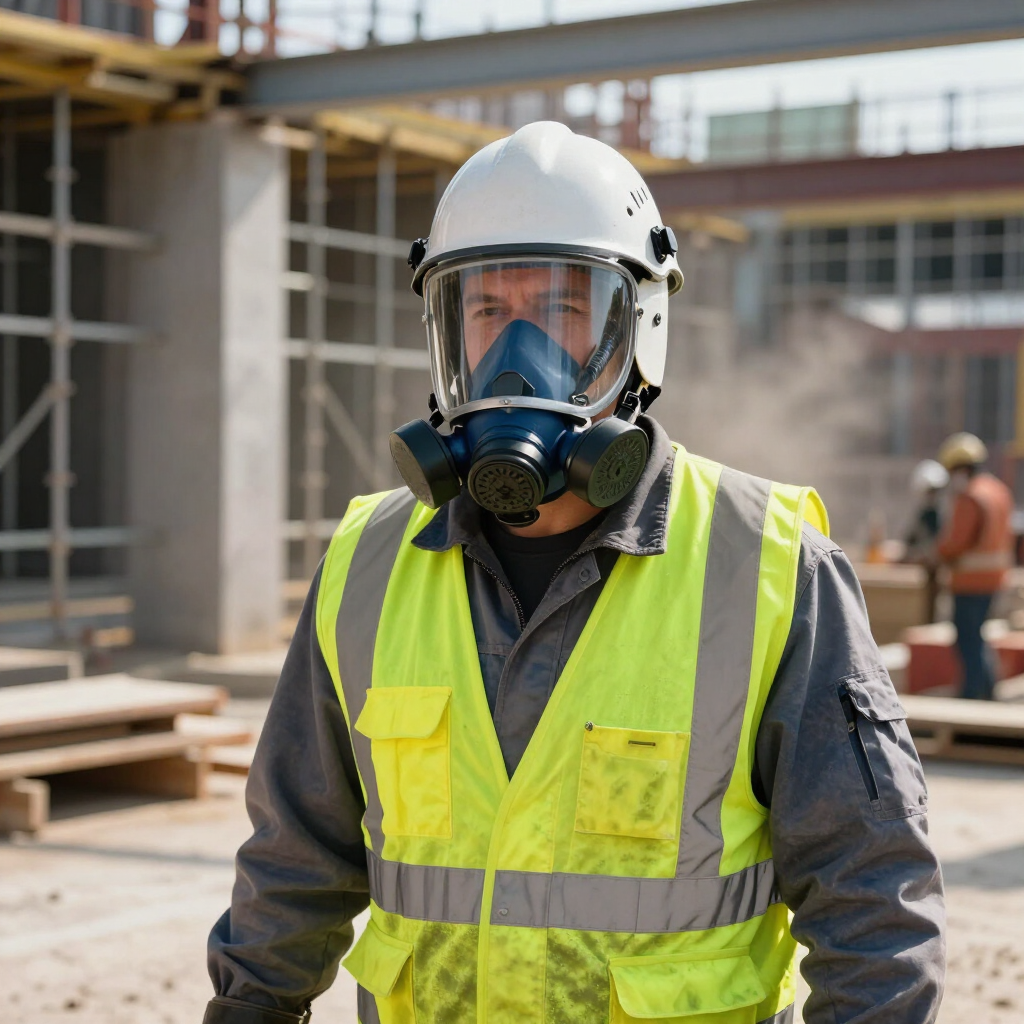
Respiratory Protective Equipment for Silica Dust
Respiratory protective equipment, or RPE, can be an important additional control where workers could still inhale silica dust after other measures have been applied. However, RPE should not normally be used as a substitute for controlling dust at source.
Where RPE is required, it needs to be suitable for:
- The contaminant
- The expected level of exposure
- The duration of use
- The individual worker
- Other PPE being worn
- The conditions in which the work is undertaken
Tight-fitting respiratory protection also requires appropriate face-fit testing. Workers must understand how to correctly wear, inspect, maintain and store the equipment provided.
Cleaning Silica Dust Safely
Silica dust control does not end when cutting, grinding or drilling stops. Dust deposited on floors, surfaces, tools, machinery, clothing and equipment can become airborne again when disturbed.
Secondary exposure can occur through:
- Dry sweeping
- Brushing contaminated surfaces
- Moving dusty waste
- Handling rubble
- Cleaning machinery
- Vehicle movements
- Compressed air
- Allowing wet silica slurry to dry
Suitable housekeeping procedures should therefore form part of the overall control strategy. Effective controls during a task can quickly be undermined by inappropriate cleaning afterwards.
Controlling Silica Dust From Waste and Debris
Waste materials can remain a source of airborne silica long after the original work has finished.
Dust control should therefore consider how contaminated material is:
- Collected
- Moved
- Stored
- Transported
- Cleaned
- Disposed of
Waste routes, skips, rubble, contaminated surfaces and vehicle movements may all need consideration depending upon the workplace.
Our Expertise
Maintaining Silica Dust Control Equipment
Even correctly selected control equipment will become less effective if it is not properly maintained.
Common problems include:
- Blocked filters
- Damaged extraction hoses
- Poor seals
- Worn shrouds
- Reduced airflow
- Blocked water jets
- Inadequate water pressure
- Damaged ventilation systems
- Incorrect replacement components
Inspection and maintenance should therefore form part of the silica dust management programme.
Workers should also be encouraged to report damaged or ineffective controls rather than continuing the task without adequate protection.
Are Your Silica Dust Controls Actually Working?
This is one of the most important questions an employer can ask. A control may appear appropriate on paper while performing very differently in the workplace.
The effectiveness of a silica dust control can be affected by:
- The way workers use the equipment
- The material being processed
- Task duration
- Tool condition
- Extraction performance
- Water supply
- Ventilation
- Worker positioning
- Maintenance
- Changing environmental conditions
Observation of working practices can provide valuable information, but it may not tell the complete story.
Silica Dust Exposure Monitoring
Where exposure remains uncertain, personal silica dust monitoring can provide objective information about the concentration of respirable crystalline silica within a worker's breathing zone.
Monitoring should always have a clear purpose. The objective is not simply to generate a report. The results should help the business make informed decisions about controlling exposure.
Monitoring can help businesses:
- Understand actual worker exposure
- Identify higher-risk tasks
- Compare different working methods
- Assess existing controls
- Investigate potential problems
- Evaluate new equipment
- Demonstrate improvements
- Identify where further action may be required
Risk Assessment + Control + Monitoring + Review
Effective silica dust management should be an ongoing process.
Risk Assessment
Identify where RCS could be generated, who might be exposed and the circumstances of the work.
Control
Select suitable measures to prevent or minimise exposure.
Monitoring
Where appropriate, measure exposure or assess control performance to understand what is happening under actual working conditions.
Constantly Review
Use the findings to improve equipment, working practices and future risk-management decisions.
- Workplaces change.
- Equipment changes.
- Processes change.
- People change.
The silica dust control strategy therefore needs to change with them.
Silica Dust Control Across Different Industries
Exposure to respirable crystalline silica is not limited to construction.
Ultra Protect can help businesses investigate and manage silica dust across environments including:
- Construction
- Demolition
- Stone fabrication
- Stonemasonry
- Groundworks
- Civil engineering
- Concrete processing
- Brick and block work
- Quarrying and aggregates
- Manufacturing
- Workshops
- Refurbishment
- Maintenance activities
The appropriate control strategy will always depend upon the materials, processes, people and environment involved.
How Ultra Protect Can Help Control Silica Dust
Ultra Protect helps organisations take a practical, evidence-based approach to respirable crystalline silica.
Our support can include:
Silica Dust Risk Assessment
Identify potential RCS sources, exposure circumstances and existing control measures.
Workplace Assessment
Understand how silica-containing materials are actually being handled and processed in your workplace.
Control Evaluation
Review water suppression, extraction, ventilation, segregation, working practices and other existing measures.
Silica Dust Monitoring
Measure personal exposure where monitoring is required to better understand RCS concentrations within workers' breathing zones.
Control Recommendations
Identify practical opportunities to prevent, reduce or better control silica dust exposure.
Review and Verification
Use assessment and monitoring findings to help determine whether changes have improved control.
The aim is not simply to identify silica dust. It is to help you control it.
Silica Dust Control FAQs
What is the best way to control silica dust?
There is no single control suitable for every silica-generating activity.
The most effective approach is to prevent or reduce dust generation where possible and then control remaining dust close to its source using appropriate measures such as water suppression, extraction, ventilation or enclosure.
Suitable RPE may also be required where engineering controls alone cannot adequately control exposure.
What is the exposure limit for silica dust in the UK?
The UK Workplace Exposure Limit for respirable crystalline silica is 0.1 mg/m³ as an 8-hour time-weighted average.
The limit should not be regarded as a target. Exposure should be prevented where reasonably practicable or adequately controlled and kept as low as reasonably practicable.
Is water enough to control silica dust?
Not necessarily.
Water suppression can be highly effective for suitable processes, but performance depends upon sufficient water reaching the point at which dust is generated and continuing throughout the activity.
The equipment, working method, maintenance and management of mist and slurry can also affect overall control.
Can I use extraction to control silica dust?
Yes. Suitable on-tool extraction or local exhaust ventilation can be highly effective for certain silica-generating activities.
The extraction system must be appropriate for the particular process and capable of capturing dust close to its source.
Is an M Class vacuum suitable for silica dust?
The correct extraction system should be selected according to the specific task, equipment and exposure circumstances.
Using a particular class of vacuum alone does not demonstrate that RCS exposure is adequately controlled. The complete extraction system and the way it is used need to be considered.
Do workers still need masks when using water suppression?
Potentially.
Whether respiratory protective equipment is required depends upon the task, potential exposure and effectiveness of other controls.
Water suppression should not automatically be assumed to eliminate all respirable silica exposure.
Does FFP3 protect against silica dust?
Appropriate FFP3 respiratory protection may form part of the control measures for some silica-generating activities.
However, the required protection needs to be determined from the risk assessment and RPE should not replace effective control at source.
Tight-fitting RPE also requires suitable face-fit testing.
Can silica dust be controlled outdoors?
Yes, but working outdoors does not remove the risk.
High-energy activities such as cutting, grinding and breaking silica-containing materials can still generate significant concentrations close to the worker.
Suitable controls may therefore still be required outdoors.
How do I know whether my silica dust controls are effective?
Consider the task, equipment, working practices and condition of your control measures.
Where uncertainty remains, personal exposure monitoring can provide objective evidence of the amount of respirable crystalline silica within a worker's breathing zone during normal work.
How often should silica dust controls be reviewed?
Controls should be reviewed whenever there is reason to believe circumstances may have changed or the existing measures may no longer be appropriate.
Examples include changes to equipment, materials, processes, work locations or working methods, as well as findings from inspections, monitoring or worker feedback.
Can Ultra Protect test whether our silica controls are working?
Yes.
Ultra Protect can assess working practices and existing dust controls and provide silica dust exposure monitoring where appropriate.
The findings can help identify where improvements may be needed and provide evidence to support future silica dust management decisions.
UK-Wide Silica Dust Control Support
Ultra Protect provides specialist silica dust assessment, monitoring and control support to businesses throughout the UK.
Whether you are introducing a new dust-generating process, reviewing existing equipment, concerned about worker exposure or simply want greater confidence that your current controls are performing effectively, our team can help.
Need Help Controlling Silica Dust?
Protecting workers from RCS requires more than simply reacting to visible dust.
Understand the source.
Control the exposure.
Measure where necessary.
Review the results.
Speak to Ultra Protect about silica dust control in your workplace.
Call: 0800 644 6605
Email: contact@ultra-protect.co.uk
who we help
Industries We Work With






Ultra-Protect are in partnership with WWF a Dust management specialist.

Nature's Symphony
Blog
Our Latest News








Accreditations
Get in Touch
Call us on 0800 644 6605 or complete the form below and we'll get back to you as soon as we can.
One Team. One Vision.
Get in touch with us today if you are interested in speaking to one of our experts.