
SILICA DUST MANAGEMENT
Explore our Silica Dust Services
Also known as respirable crystalline silica (RCS), the finest particles can be inhaled deep into the lungs, where repeated or prolonged exposure can contribute to serious and potentially life-changing respiratory disease.
At Ultra Protect, we help businesses across the UK understand, assess, monitor and control workplace silica dust exposure. From identifying potential sources of RCS and assessing employee exposure to monitoring dust levels and recommending appropriate control measures, our specialists can help you develop an effective approach to silica dust management.
Whether you operate a construction site, manufacturing facility, workshop, quarry, stoneworking business or another workplace where silica-containing materials are processed or disturbed, understanding the risks is an important part of protecting your workforce and meeting your health and safety responsibilities.
Concerned about silica dust in your workplace? Speak to the Ultra Protect team about silica dust monitoring, assessment and control.
WORKING TOGETHER
We work with you to come up with the very best solutions for your challenges.
01
Silica Dust Monitoring
Measure and understand workplace exposure to respirable crystalline silica, identify higher-risk activities and evaluate the effectiveness of existing controls.
02
Silica Dust Risk Assessments
Identify potential sources of silica dust, understand who may be exposed and establish appropriate measures for managing workplace risk.
03
Silica Dust in Construction
Specialist support for construction sites and contractors managing RCS generated by concrete, brick, mortar, stone and other silica-containing materials.
04
Silica Dust Control
Review working practices and existing controls and identify practical measures to help reduce exposure to respirable crystalline silica.
What Materials Can Produce Silica Dust?
- Concrete
- Bricks
- Mortar
- Sandstone
- Granite
- Engineered stone
- Natural stone
- Tiles
- Sand
- Certain aggregates and mineral products
The amount of RCS generated will depend on factors including the silica content of the material, the work being undertaken, the tools and equipment being used, the duration of the task and the effectiveness of the control measures in place.
Our Expertise
What Activities Can Create Silica Dust?
Many everyday construction and industrial processes can create silica-containing dust.
Potentially high-risk activities include:
- Cutting concrete, bricks, blocks, tiles or stone
- Drilling and coring
- Grinding concrete and stone
- Chasing concrete and masonry
- Scabbling concrete
- Cutting paving, kerbs and slabs
- Raking mortar
- Stone cutting and processing
- Demolition and refurbishment work
- Crushing silica-containing materials
- Handling certain mineral products
- Cleaning areas contaminated with silica-containing dust
Even housekeeping practices can affect exposure. For example, dry sweeping fine concrete or masonry dust can put previously settled particles back into the air.
Understanding where and how silica dust is being generated is therefore an important first step towards controlling exposure.
Why Is Silica Dust Dangerous?
Regular exposure to respirable crystalline silica can cause serious damage to the lungs. Health conditions associated with exposure to RCS include:
Silicosis
Silicosis is a serious lung disease caused by inhaling respirable crystalline silica. Exposure can result in inflammation and scarring of lung tissue, potentially affecting a person's ability to breathe.
Chronic Obstructive Pulmonary Disease (COPD)
Exposure to silica dust can contribute to chronic respiratory conditions including COPD, which can result in long-term breathing difficulties.
Lung Cancer
Respirable crystalline silica is associated with an increased risk of lung cancer, particularly where exposure is heavy or prolonged. The risk makes preventing and adequately controlling exposure particularly important in workplaces where silica-containing materials are regularly used or disturbed.
Understanding Respirable Crystalline Silica (RCS)
The terms silica dust and respirable crystalline silica are often used interchangeably, but understanding the distinction is useful.
When a silica-containing material is disturbed, it can generate particles of different sizes. Larger dust particles may be visible and settle relatively quickly. The respirable fraction contains much finer particles capable of reaching deep into the lungs. It is this fine crystalline silica dust that is referred to as RCS.
Because RCS can be extremely difficult to see, visual observations alone cannot reliably determine the level of exposure experienced by workers.
This is one reason why appropriate silica dust risk assessment and exposure monitoring can be so important.
Exposure is not necessarily limited to the person carrying out the dust-producing activity. Other employees, contractors and people working nearby may potentially be exposed if airborne dust is allowed to spread beyond the immediate work area.
Who Is at Risk From Silica Dust Exposure?
Silica dust exposure can occur across numerous industries and occupations. Workers who may encounter RCS include those working within:
- Construction
- Demolition
- Groundworks
- Civil engineering
- Concrete cutting and finishing
- Brick and block work
- Stonemasonry
- Natural and engineered stone processing
- Quarrying
- Mineral processing
- Brick and tile manufacture
- Ceramics
- Manufacturing
- Paving and roadworks
- Refurbishment
- Property development
Effective silica dust management therefore needs to consider the entire working environment, not simply the individual operating a tool.
Silica Dust Exposure Limits in the UK
Respirable crystalline silica has a Workplace Exposure Limit (WEL) of 0.1 mg/m³, measured as an eight-hour time-weighted average.
However, the Workplace Exposure Limit should not be regarded as a target or a level that removes the need for effective dust controls.
Employers have responsibilities under the Control of Substances Hazardous to Health Regulations (COSHH) to assess risks arising from hazardous substances and adequately control exposure.
For silica dust, this means understanding where RCS may be generated, assessing who could be exposed and implementing appropriate measures to prevent or adequately control that exposure.
Where necessary, exposure monitoring can provide valuable evidence about the levels workers may be experiencing and help assess whether existing control measures are effective.
Silica Dust Monitoring
You cannot reliably determine exposure to respirable crystalline silica simply by looking at the amount of dust in the air. Professional silica dust monitoring can help businesses better understand workplace exposure and provide evidence to support effective dust management.
Depending on the workplace and activities being undertaken, monitoring can help:
- Assess employee exposure
- Identify higher-risk tasks and activities
- Understand how exposure changes throughout a day
- Investigate potential dust problems
- Evaluate existing control measures
- Identify opportunities to reduce exposure
- Provide data to support a dust management strategy
- Demonstrate a proactive approach to workplace health
Ultra Protect provides specialist dust monitoring services for businesses and worksites across the UK.
Silica Dust Control
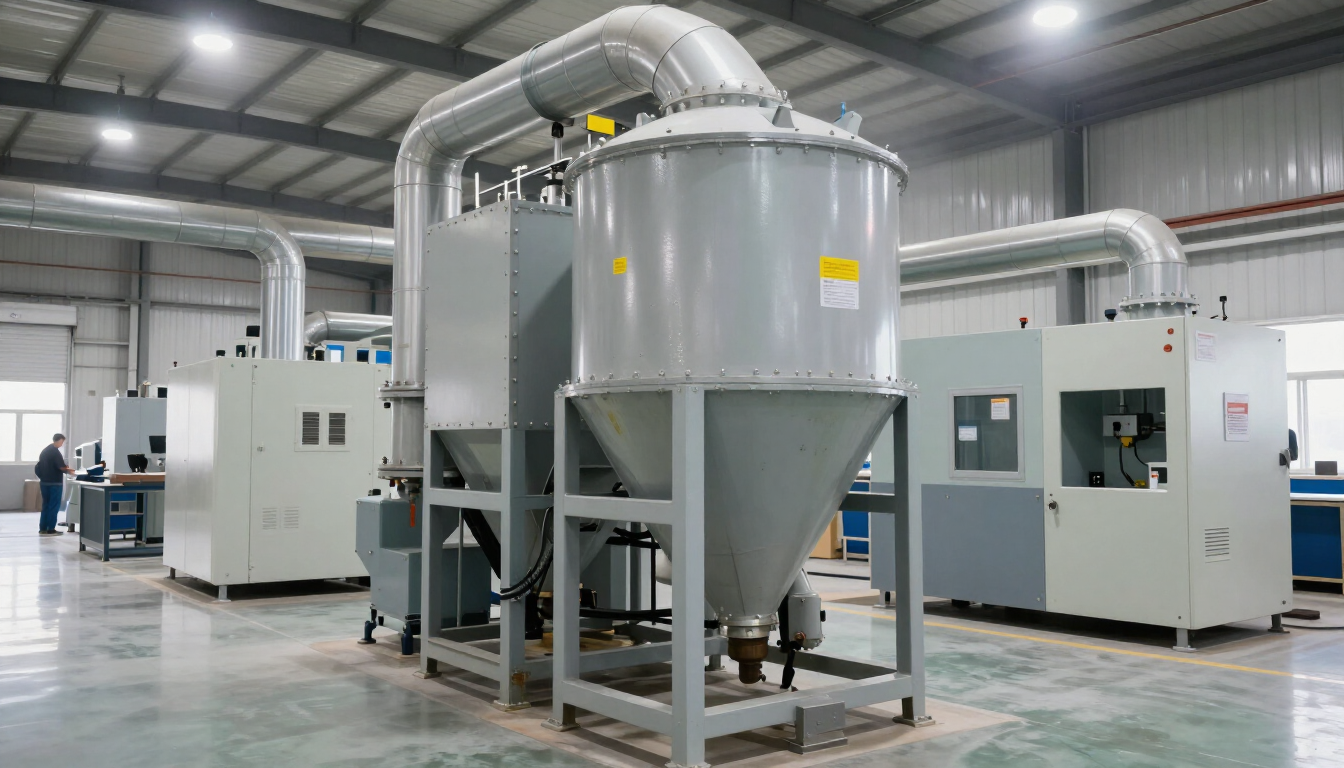
Effective silica dust control starts with reducing dust generation and preventing respirable crystalline silica from becoming airborne wherever reasonably practicable. Depending on the activity and working environment, control measures may include changes to working methods, water suppression, suitable local exhaust ventilation or on-tool extraction, segregation, effective housekeeping and appropriate respiratory protective equipment where required.
Controls should also be regularly reviewed to ensure they remain suitable and effective. Ultra Protect can help businesses assess existing working practices, understand potential exposure and identify practical opportunities to improve silica dust management.
Silica Dust in Construction
Construction is one of the sectors where exposure to respirable crystalline silica can be a significant concern.
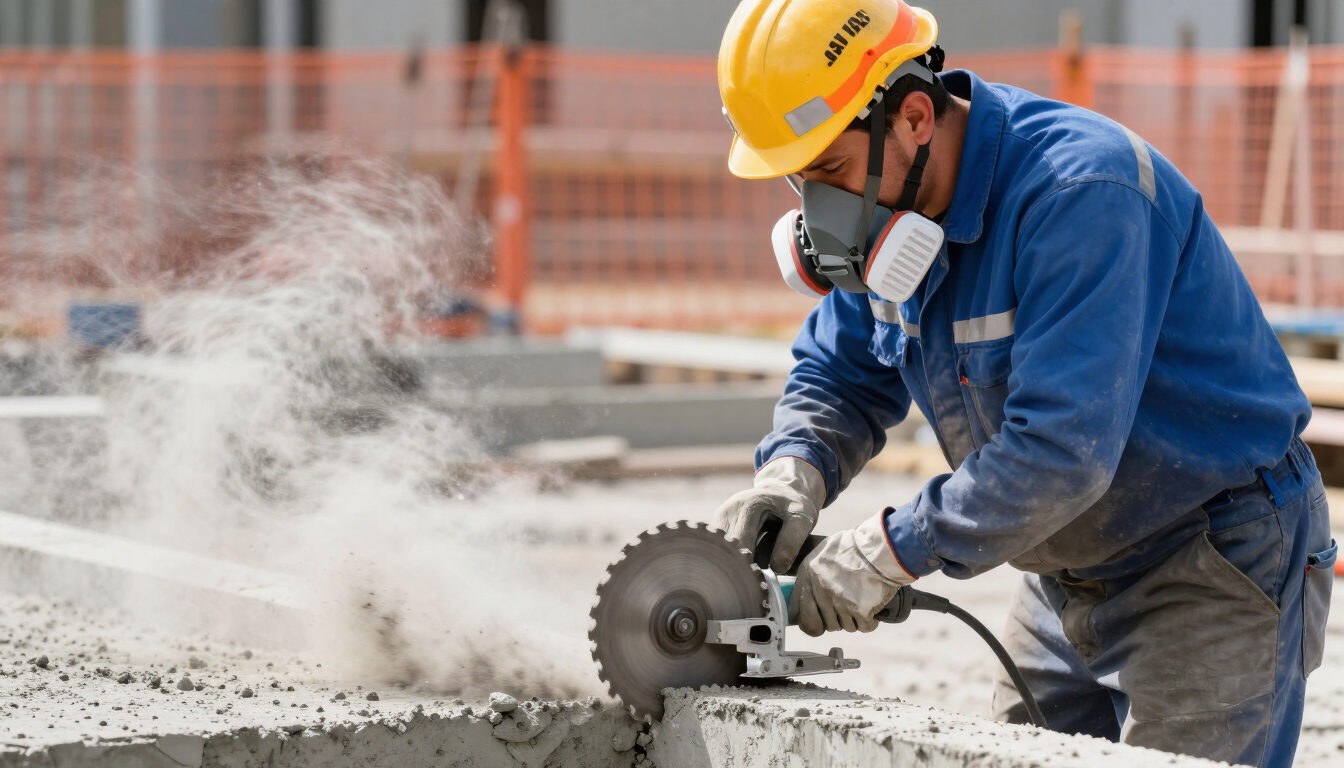
Concrete, bricks, blocks, mortar, sandstone, paving and other silica-containing materials are routinely used on construction sites. Activities including cutting, drilling, grinding, chasing, scabbling and demolition can release significant quantities of dust if they are not effectively controlled. Silica dust management should therefore be considered when planning work rather than waiting until visible dust becomes a problem.
Ultra Protect works with construction businesses, contractors and site operators to identify dust risks, assess working practices and develop effective approaches to dust monitoring and management.
Silica Dust Health Surveillance
Where workers are regularly exposed to respirable crystalline silica and there is a reasonable likelihood that silicosis could develop, appropriate health surveillance may be required. Health surveillance is not a substitute for preventing or controlling exposure. Instead, it forms part of a wider occupational health strategy alongside risk assessment, effective controls, appropriate monitoring and employee information and training.
Businesses uncertain about their responsibilities should obtain competent occupational health and health and safety advice appropriate to their circumstances.
Silica Dust Risk Assessments
An effective silica dust risk assessment considers much more than whether dust can be seen.
The assessment should consider the silica-containing materials present, the tasks being undertaken, the people potentially exposed, the frequency and duration of those activities and the control measures already being used.
A silica dust assessment may consider areas such as:
- Sources of silica-containing dust
- Tasks that could generate RCS
- Employees and others potentially exposed
- Frequency and duration of exposure
- Existing dust control measures
- Extraction and ventilation
- Working practices
- Cleaning and housekeeping
- Respiratory protective equipment where appropriate
- Exposure monitoring requirements
- Opportunities to improve existing controls
Ultra Protect can help organisations understand their workplace dust risks and develop appropriate strategies for managing them.
Why Choose Ultra Protect for Silica Dust Management?
Ultra Protect works with businesses across the UK to help identify, assess and manage workplace dust. We understand that every working environment is different. The materials, processes, workforce, site layout and existing controls all influence the potential for exposure.
Rather than taking a one-size-fits-all approach, we help businesses understand their individual circumstances and identify practical ways forward. Whether you need to investigate potential silica exposure, assess a particular process, monitor employees, review existing controls or develop a broader dust management strategy, our team is here to help.
Silica Dust Services Across the UK
Ultra Protect provides specialist silica dust assessment, monitoring and management support to businesses throughout the UK.
From construction sites and manufacturing environments to stoneworking, workshops and other workplaces where silica-containing materials are used or disturbed, our specialists can help organisations understand potential exposure and develop an appropriate approach to silica dust management.
Our silica dust services are available to businesses across the UK, with dedicated local information covering silica dust monitoring, risk assessments, construction silica dust and silica dust control.
Silica Dust FAQs
What is silica dust?
Silica dust can be produced when materials containing crystalline silica, such as concrete, brick, mortar, sandstone, tiles and stone, are cut, drilled, ground or otherwise disturbed. The finest respirable particles are known as respirable crystalline silica or RCS.
What does RCS stand for?
RCS stands for Respirable Crystalline Silica. It describes very fine crystalline silica particles that can be inhaled deep into the lungs.
Can you see silica dust?
Not necessarily. Respirable crystalline silica particles can be too fine to see under normal lighting, so the absence of a visible dust cloud does not necessarily mean there is no potential exposure.
What is the UK Workplace Exposure Limit for silica dust?
The UK Workplace Exposure Limit for respirable crystalline silica is 0.1 mg/m³ averaged over an eight-hour working period. Appropriate controls are still required to prevent or adequately control exposure.
Does concrete contain silica?
Yes. Concrete can contain crystalline silica. Activities such as cutting, grinding, drilling, chasing and scabbling concrete can generate respirable silica-containing dust.
Does brick dust contain silica?
Bricks can contain crystalline silica, meaning cutting, drilling or working with brick can potentially generate RCS.
Is silica dust covered by COSHH?
Yes. Employers have responsibilities under COSHH to assess risks from hazardous substances generated by workplace processes, including respirable crystalline silica, and to prevent or adequately control exposure.
How is silica dust exposure measured?
Workplace exposure can be assessed using appropriate air sampling and monitoring techniques. The method required will depend on the workplace, activities being assessed and the purpose of the monitoring.
Do I need a silica dust risk assessment?
If workplace activities could expose employees or others to respirable crystalline silica, the risks need to be appropriately assessed and controlled. A specialist assessment can help identify potential exposure sources and determine suitable next steps.
Is silica dust only a construction problem?
No. Although construction is an important source of occupational silica exposure, RCS can also be encountered in industries including stoneworking, quarrying, mineral processing, brick and tile manufacture, ceramics and other manufacturing processes involving silica-containing materials.
How can silica dust be controlled?
Controls may include eliminating or reducing dust-producing activities, water suppression, suitable extraction, segregation, good housekeeping and appropriate RPE. The correct combination depends on the materials, processes and working environment.
Can Ultra Protect monitor silica dust exposure?
Ultra Protect provides specialist workplace dust monitoring and assessment services to help organisations understand dust exposure, evaluate risks and identify appropriate dust management solutions.
Protect Your Workforce From Silica Dust
Silica dust may be difficult to see, but the potential health risks should not be overlooked.
If your business cuts, drills, grinds, processes or otherwise works with silica-containing materials, understanding potential exposure is an important part of protecting employees and maintaining a safe working environment.
Ultra Protect provides specialist silica dust monitoring, risk assessment and dust management services across the UK.
Speak to our team today to discuss your workplace, the activities you undertake and how we can help you assess and manage silica dust.
Call: 0800 644 6605
Email: contact@ultra-protect.co.uk
who we help
Industries We Work With






Contact us Today
Ultra-Protect are in partnership with WWF a Dust management specialist.

Nature's Symphony
Blog
Our Latest News







Accreditations
Get in Touch
Call us on 0800 644 6605 or complete the form below and we'll get back to you as soon as we can.
One Team. One Vision.
Get in touch with us today if you are interested in speaking to one of our experts.