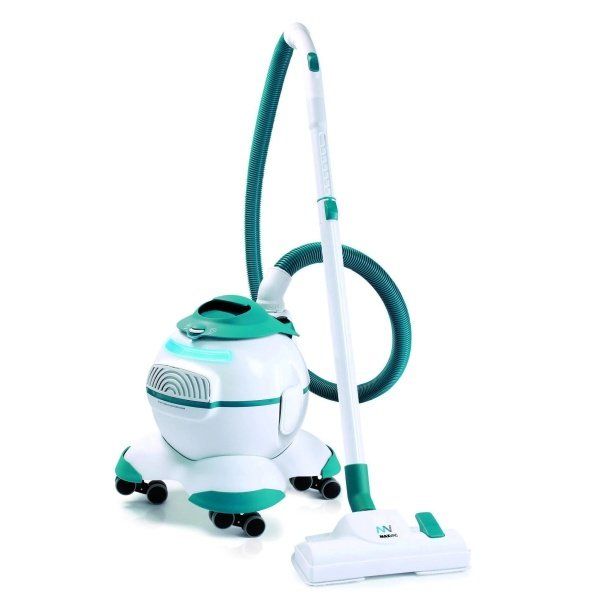
15 Reasons why the Pura UVC Vacuum is Perfect for You
July 24, 2022

The MAXVAC Pura uses a unique filtering system


This is composed of a fibre bag, a HEPA filter cartridge and a UV-C lamp to not only purify the air by removing microscopic dust particles, but also to ensure pure air which is now free from pathogenic microorganisms is into the environment.


Thanks to its high-efficiency motor with a pagoda-type fan it generates exceptional suction, which is essential for good, fast cleaning in every situation. With its large range of accessories, it guzzles up dust and dirt - even in the most inaccessible corners.


The lightweight, ergonomic telescopic tube (with adjustable height) comes complete with integrated hooks for easy storage of the power cord.

What makes the Pura UVC Vacuum is so Perfect


Electronic suction power variator


Bag capacity: approx. 4 l, with a filter surface of approx. 5000 cm2 (bag + cartridge)


Patented EASY DRIVE trolley with swivel castors


Impact resistant frame (made of selected top-quality materials)


Rubber seals for guaranteed sealing against air leaks


Soft rubber bumpers


Built in UV-C sanitizing lamp


Hook for easy storing the combination brush


High-efficiency motor (MAX 21 kPa)


Easy, simple bag replacement


Ultra-compact


Includes brush with microfiber cloth for wood floors


2- year warranty

Get in touch for a demonstration


Whilst the energy efficiency of any building can be improved with better insulation and installing things like double glazing, there is even more that business and homes can do to ensure they are making the most of the warmth in their immediate environment. The benefits of heat recovery systems that recycle the energy in stale air and transfer it to the new, fresh air coming in are numerous:


The main appeal of Heat Recovery Ventilation Systems (HRVS) is the supply of warm, fresh air in a constant flow. When you open a window to let some air in, especially in winter, you’re losing a large amount of heat that will need to be replaced.


Because you are creating a self-contained environment with a superior ventilation system, you air will be cleaner and better for you. The constant supply of warm air through the heat recovery system means you can reduce your energy costs because the environment is kept fairly constant.

The benefits of heat recovery stretch beyond just simple energy savings with a reduction in things like humidity and condensation that can cause health problems and affect walls and structures over time.


The improved air quality means that your workplace or house isn’t filled with irritants like pollen and pollution as the ventilation is filtered throughout the building.


For those who are concerned about their carbon emissions, heat recovery systems also lower the levels of carbon dioxide. The final, and perhaps one of the most important, benefits of heat recovery systems is the reduction in energy bills, because the warm air is being reconstituted, it takes the workload off your boiler or any other heating system.


Call For Site Visit and Demonstration?


We will attend your site, demonstrate and go through your options with you.

We will supply, install, train and maintain all Air Quality Products. Plus,


We also provide a FULL SITE Air Quality Risk assessment that consider all Air Quality issues and causes.
By Ultra Protect • September 22, 2026
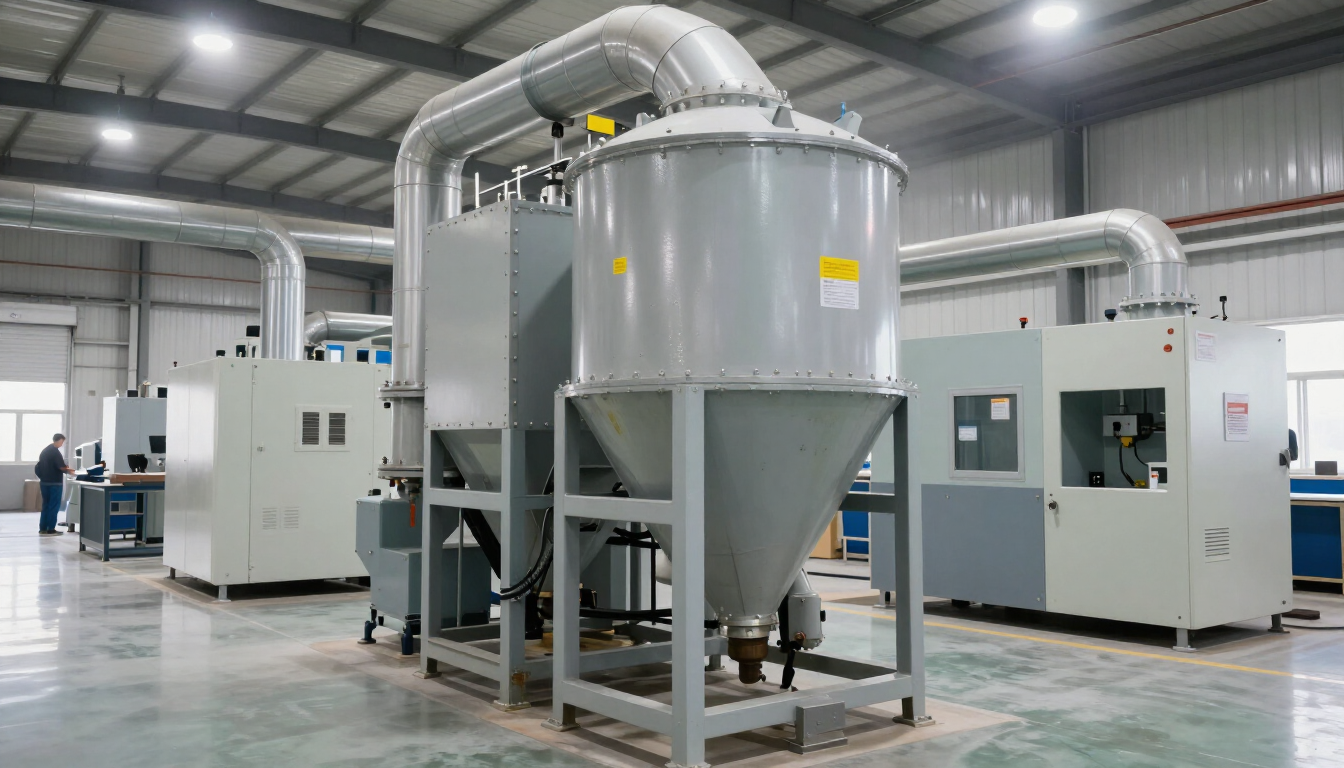
Discover what a dust extraction system is, how it works, and whether fixed or mobile extraction suits your business. A practical guide from Ultra Protect.
Close-up of gray gravel stones filling the frame
By Andy Potter • September 7, 2026
If you're responsible for health and safety in your workplace, you've probably encountered the terms "workplace exposure level," "TWA," and "STEL." But what do they actually mean, and why do they matter for dust management? The simple answer: these are legal limits set by the Health and Safety Executive (HSE) to protect workers from harmful dust exposure. If you're not monitoring them, you're flying blind and potentially breaking the law. What is Workplace Exposure Level? A workplace exposure level (WEL) is the maximum amount of a harmful substance that a worker can be exposed to during their working day without suffering adverse health effects. For dust, it's measured in milligrams per cubic metre of air (mg/m³). The HSE sets these limits based on scientific evidence about how different dust types affect human health. Different dusts have different exposure limits because they pose different risks. For example, the WEL for respirable crystalline silica is far stricter than for general inert dust, because silica is significantly more harmful to the lungs. Think of it this way: the WEL is your compliance baseline. However being below a WEL does not by itself discharge the COSHH duty. Download the HSEs guidance on workplace exposure limits If you want to understand the levels in your workplace contact us about our silica air sampling services TWA: The 8-Hour Average TWA stands for Time-Weighted Average, and it's the most commonly referenced exposure limit. The TWA measures the average concentration of a substance over a standard 8-hour working day. Here's why that matters: dust exposure isn't constant. Workers might face high concentrations during certain activities (cutting, grinding, demolition) and lower concentrations during others. The TWA accounts for these fluctuations by averaging them out over the full shift. This recognises that workers can tolerate brief periods of higher exposure, provided the average stays within acceptable limits. For example, the current WEL for respirable crystalline silica is 0.1 mg/m³ as an 8-hour TWA. This means that if a construction worker is grinding stone for part of their shift but doing lower-dust tasks for the rest, the daily average should not exceed this level. The advantage of TWA is that it's practical for real-world work. Few jobs maintain constant dust levels. The disadvantage is that it can mask dangerous peaks, if a worker is exposed to very high concentrations for a short period, the TWA might still look acceptable. STEL: The Short-Term Exposure Limit STEL stands for Short-Term Exposure Limit, and it's your safety net for peak exposures. A STEL is the maximum concentration a worker should experience during any 15-minute period in a working day, and no more than four such periods should occur, with at least 60 minutes between them. The STEL exists precisely because the TWA can obscure dangerous peaks. Imagine a worker exposed to very high silica dust for 15 minutes whilst cutting stone, then lower levels for the rest of the day. The TWA might be within limits, but those 15 minutes could still cause significant lung damage. There should be a maximum of 4 STEL's in a single working day and there must be at least 60-minutes between each STEL period. Not all dusts have a STEL, but those that do (like respirable crystalline silica) reflect a recognition that short, intense exposures carry genuine health risks that the 8-hour average doesn't capture. Reducing personal exposure to inhalable dust with Cleanspace Respirators