
Signs Your Workplace Has a Dust Problem | Ultra Protect
Dust problems in the workplace often build up gradually, which makes them easy to overlook until symptoms among staff, or a compliance issue forces the matter into the open. Recognising the early signs of a dust management problem can help you act well before it becomes a serious health or legal issue, especially as the most harmful dust particles to our health are invisible. (Respirable dust)
Some warning signs are obvious, such as visible haze in the air (Often seen in light / sun streaming) or a build-up of dust on surfaces. Others are far subtler, showing up first as employee health complaints or unexplained absence patterns rather than anything you can immediately see.
This guide covers the practical signs worth watching for, the industries most commonly affected, and what HSE regulations expect employers to do about it.
Visible and Physical Warning Signs
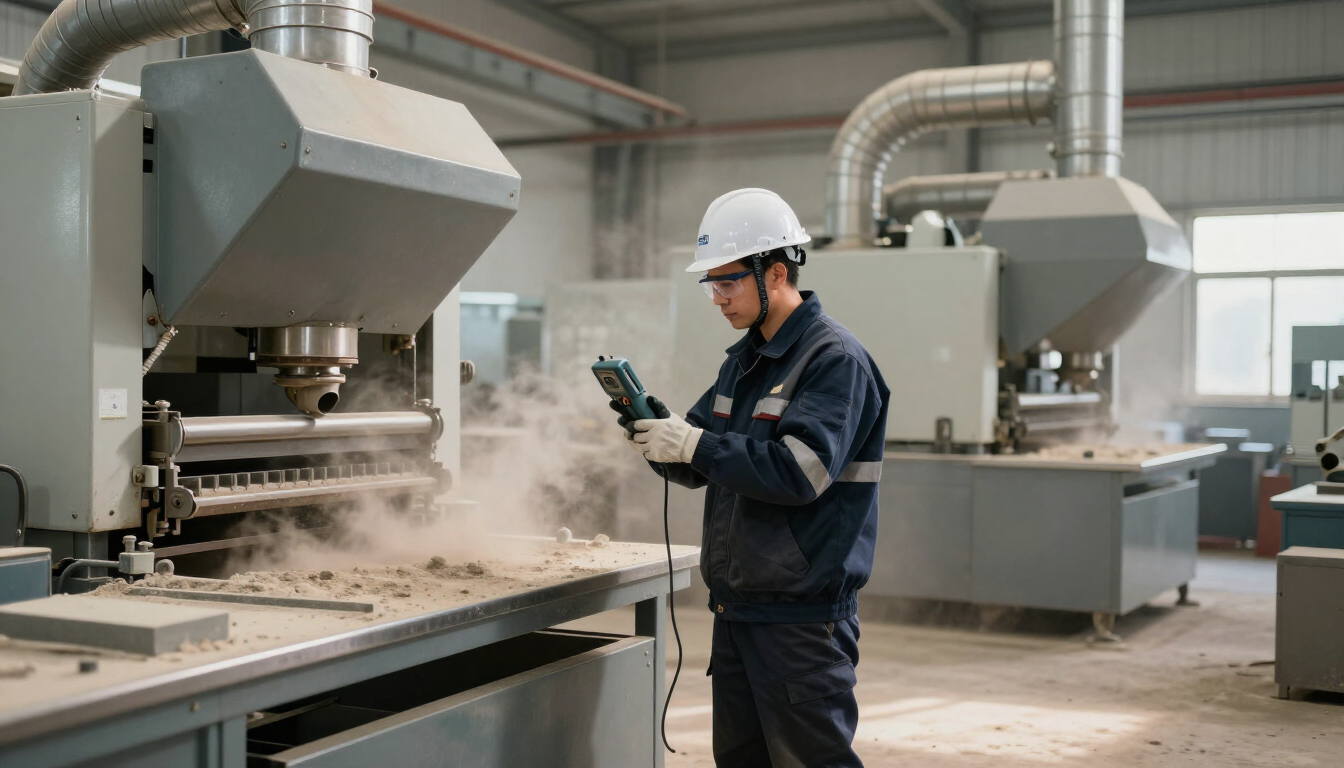
The most obvious sign of a dust problem is visible dust in the air, particularly if it lingers rather than settling quickly, or if you notice a persistent haze around certain machinery or processes.
A build-up of dust on surfaces, ledges, light fittings or machinery, even in areas some distance from where the dust is generated, is a strong indicator that airborne particles are travelling further than expected through the workplace.
Staff reporting a gritty or dry feeling in their throat, or noticing dust settling on their clothing during a shift, are also worth taking seriously, since these are often the first noticeable symptoms of a genuine exposure problem before more serious health effects develop.
Health-Related Warning Signs
Increased reports of coughing, breathlessness, or irritated eyes and throat among staff can indicate that dust levels are higher than they should be, particularly if these symptoms improve when staff are away from the workplace for a period.
Rising sickness absence linked to respiratory symptoms, even if not formally attributed to dust, is worth investigating alongside a proper dust risk assessment rather than being dismissed as coincidence.
Industries and Processes Most at Risk
Certain industries carry a significantly higher baseline risk of dust exposure simply because of the nature of the work involved, and staff in these environments should be particularly alert to warning signs.
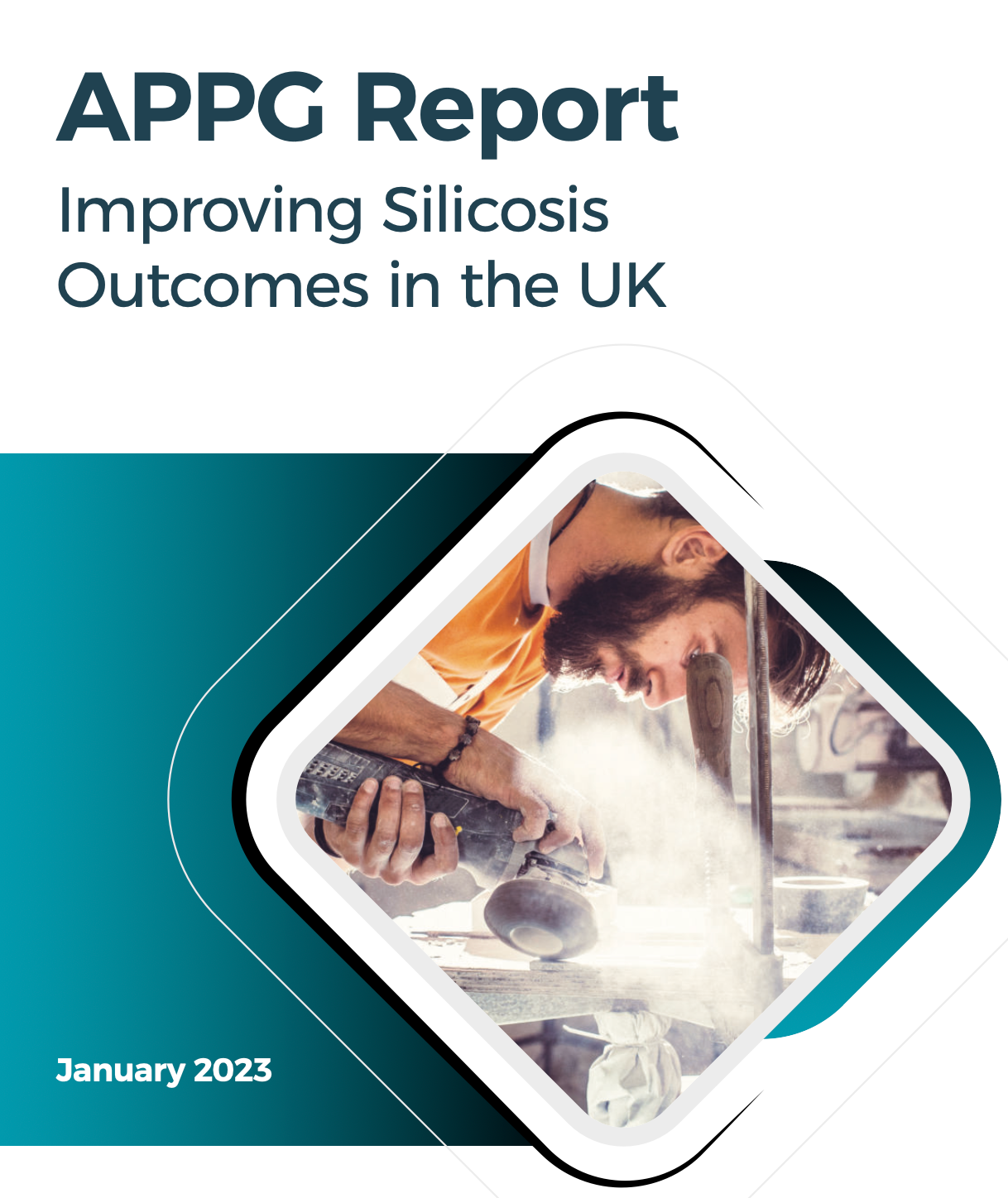
Construction and demolition, stone or worktop masonary, quarrying and mining, woodworking, foundries, and food or grain processing are all well known for generating significant dust, often including respirable crystalline silica or other particularly harmful particles.
Less obviously, offices, schools and hospitality venues can also experience indoor air quality issues that, while different in nature, still warrant proper assessment, particularly around ventilation and general particulate levels.
Industries and settings that should pay particular attention to dust management include:
- Construction, demolition and quarrying
- Stone and Worktop
- Woodworking and joinery
- Foundries and metalworking
- Food and grain processing
- Schools, offices and hospitality venues with air quality concerns
Why Some Dusts Are More Dangerous Than Others
Not all dust carries the same risk. Respirable crystalline silica, generated when cutting or grinding materials like stone, concrete or brick, is particularly harmful because the fine particles penetrate deep into the lungs. Dust such as RCS, hard-wood, asbestos and toxic metals are carcinogenic so have extreme health implications.
Understanding which specific dusts are present in your workplace matters enormously, since control measures and legal exposure limits differ significantly between dust types. A silica sampling service can identify this precisely, as well as other dangerous dust types.
What HSE Regulations Require of Employers
Under COSHH, employers have a clear legal duty to assess dust exposure risks, implement appropriate controls, and monitor their effectiveness on an ongoing basis, rather than treating dust management as a one-off exercise.
This includes considering the hierarchy of control, starting with identifying the dust type and exposure levels as well as eliminating or reducing dust at source wherever possible, before relying on measures such as respiratory protective equipment as a last line of defence.
Keeping clear records of assessments, monitoring results and control measures is also expected, both to demonstrate compliance and to track whether the situation is improving or worsening over time.
Frequently Asked Questions
What should I do if I notice dust building up on surfaces?
This is a sign that airborne dust levels may be higher than expected, and it is worth investigating the source promptly. A professional dust risk assessment can identify exactly where the dust is coming from and how far it is travelling.
Can dust problems exist even if I can't see any dust in the air?
Yes, some of the most harmful dust particles are too small to see with the naked eye. This is exactly why professional monitoring and assessment matters, since visible dust is not a reliable indicator of actual risk.
How quickly should a suspected dust problem be addressed?
Promptly. Given the potential health implications and legal obligations involved, any suspected dust issue should be investigated as soon as possible, ideally through a proper professional assessment rather than guesswork.
Conclusion
Spotting the early signs of a workplace dust problem, whether visible, physical or health-related, gives you the chance to act before the issue becomes more serious for both your staff and your business.
Ultra-Protect has over 35 years of experience helping UK businesses identify, understand and control dust and air quality risks across a wide range of industries.
If any of these signs sound familiar in your workplace, get in touch with Ultra-Protect today to discuss a proper assessment.