
Construction sites are known to be bustling with activity and full of potential hazards, including dust, which is one of the most pervasive threats. Dust poses a significant health risk to workers and can harm the environment. This guide will delve into the importance of dust control, the risks associated with dust, and practical strategies to mitigate these risks.
Understanding the Risks of Construction Dust
Health Implications for Workers
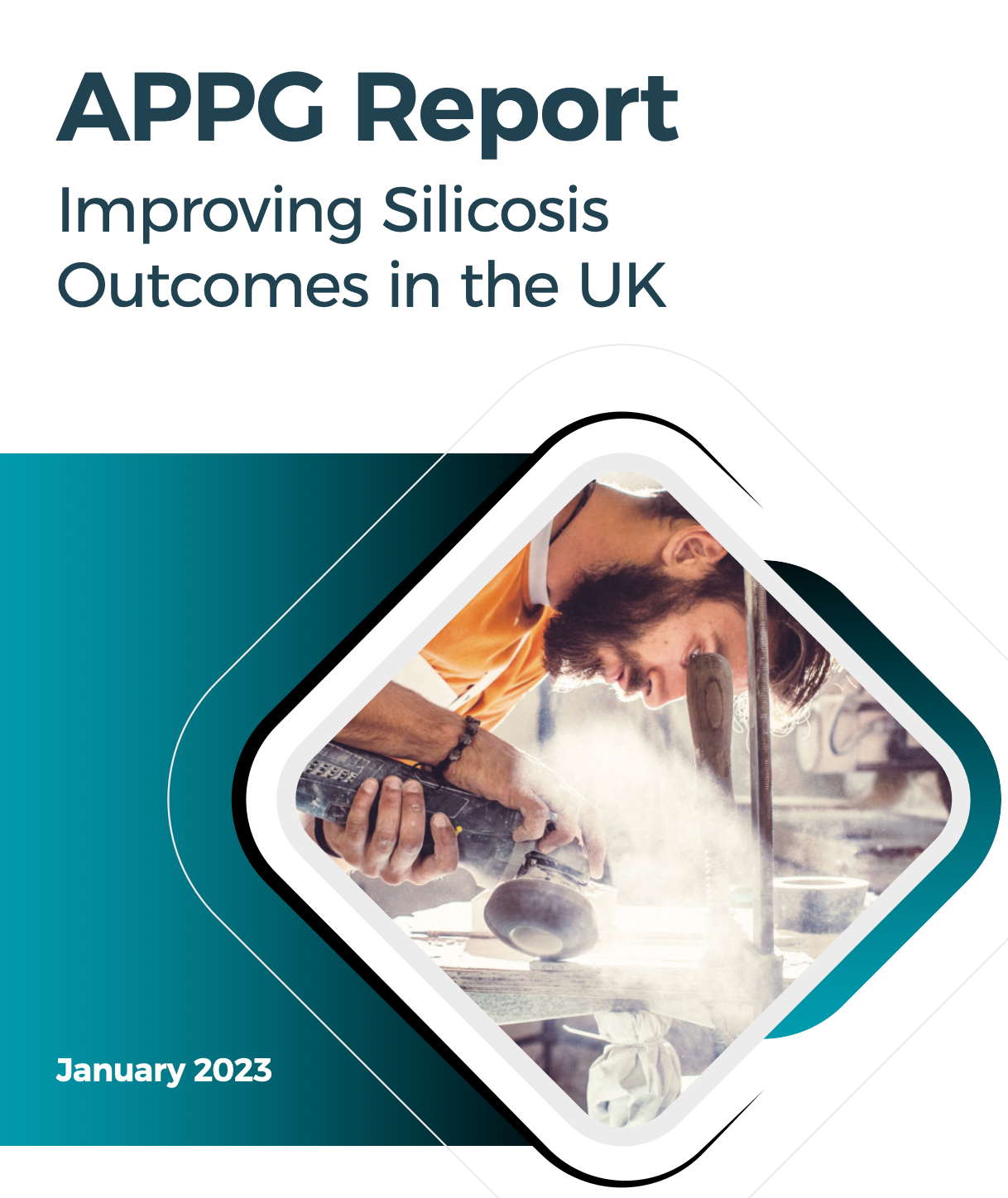
Dust on construction sites can come from various sources: cutting, grinding, and drilling materials like concrete, wood, and stone. These activities generate fine particulate matter that can be easily inhaled. Prolonged exposure to construction dust can lead to serious health issues, including:
- Respiratory Problems: Inhalation of dust can cause chronic respiratory conditions such as asthma, bronchitis, and silicosis. Silica dust, in particular, is known to be a carcinogen.
- Skin and Eye Irritation: Fine particles can cause irritation and inflammation, which can lead to severe discomfort if left untreated. Unprotected eyes may become bloodshot, swollen, and acutely light-sensitive, whereas the skin can become inflamed, developing hives and, in severe cases, blisters.
- Long-term Health Effects: Dust exposure can result in adverse and long-term health problems. Not only is there an added increase in lung cancer, but there are also several other life-threatening illnesses and diseases that can afflict the respiratory system. Continuous exposure can aggravate pre-existing afflictions such as asthma, exacerbating symptoms such as wheezing, difficulty breathing and frequent asthma attacks. Silicosis is another disease specifically targeting the respiratory system. Caused by inhaling silica dust, silicosis leads to inflammation and irreversible scarring of the lung tissue. The cardiovascular system can also be damaged by continuously inhaling fine particles, increasing the risk of heart disease and strokes. New studies have shown that neurodegenerative conditions such as Alzheimer’s and Parkinson’s may be linked to long-term dust exposure.
Environmental Impact
Dust does not remain confined to the construction site. It can travel to surrounding areas, affecting local ecosystems and communities. The environmental impacts include:
- Air Quality Degradation: Dust particles can contribute to air pollution, reducing air quality and affecting the health of nearby residents. Symptoms of pollutant-sensitive diseases can worsen as air quality falls. Asthma attacks may become more frequent, and higher incidences of cardiovascular disease can occur.
- Soil and Water Contamination: Dust can settle on soil, forests and water bodies, leading to contamination that affects both terrestrial and aquatic life. With habitats and ecosystems being affected, severe and potentially irreversible damage to biomes can lead to reduced biodiversity. The agricultural industry can also suffer a great deal. Dust and airborne pollutants can reduce a plant’s ability to photosynthesis, affecting the growth of vegetation, which means economic losses for farmers and food shortages for the general population.
Effective Dust Control Strategies
At Ultra Protect, we advocate for a multi-faceted approach to dust control. Here are some key strategies to effectively manage dust on construction sites:
Engineering Controls
Dust Suppression Systems
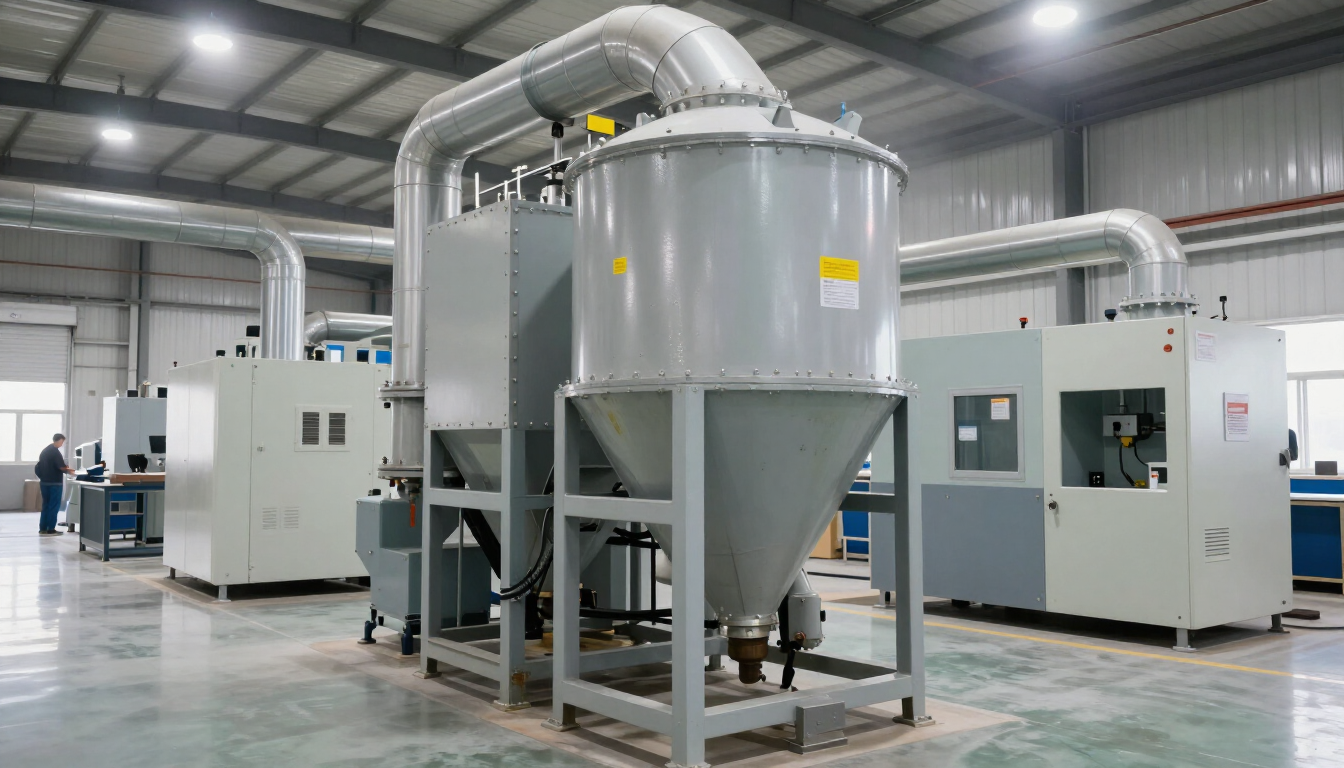
Designed to reduce airborne pollutants and improve overall air quality, especially in industrial and construction sites. Dust Suppression Systems are vital for ensuring the physical well-being of workers onsite and the general public. Due to regulatory compliance, it’s important that those carrying out construction work have a system in place to reduce dust pollution.
From Fog Cannons to Dry Vapour Systems, there are various ways to minimise worksite pollution. Ultra Protect specialises in dust blocking solutions and has efficient equipment for hire and purchase.
Onsite Monitoring
Industries prone to dust generation would greatly benefit from being able to monitor dust and air quality. By identifying areas with high dust levels, targeted measures can be conducted to create a safer environment. Relying on real-time data can be useful for implementing dust management strategies and improving operation processes. Ultra Protect offers a comprehensive dust monitoring services along with the correct equipment to ensure occupational safety is at the forefront.
Administrative Controls
Work Practices
Implementing best practices such as wet-cutting techniques, minimising the amount of time workers spend in dusty environments, and scheduling dust-generating activities during times when fewer workers are present can significantly reduce exposure.
Training and Education
Ensuring that all workers are trained on the risks associated with dust and the importance of dust control measures is crucial. Regular training sessions and updates on new dust control technologies can enhance worker compliance and safety.
Monitoring and Maintenance:
Regularly monitoring dust levels and maintaining dust control equipment is essential; this includes checking filters, ensuring water suppression systems are operational, and keeping track of dust levels using air quality monitoring devices.
Personal Protective Equipment (PPE)
Respiratory Protection
Providing workers with appropriate respiratory protection, such as N95 masks or respirators, can protect them from inhaling harmful dust particles. With advancements in safety technology, there are now portable, lightweight and easy-to-use respirators such as the CleanSpace ULTRA– a rechargeable powered air purifying respirator (PAPR) designed for high protection, comfort and cost-effectiveness that also protects the eyes.
Eye Protection
To prevent injury, irritation and long-term issues from dust particles, regulatory-compliant eye protection must be worn. When protecting from fine particles, selecting options that provide a secure seal to keep dust from entering is important.
Protective Clothing
As well as protecting the eyes and respiratory system, safeguarding the skin from dust is also vital for ensuring physical health. Due to skin being susceptible to irritation, proper workwear should always be worn when onsite and thoroughly cleaned afterwards.
Before being issued, protective clothing should meet relevant safety standards, and any best practice training should be undertaken by the person(s) wearing it to assure comprehensive safety.
Conclusion
Dust control is not just a regulatory requirement; it is a crucial aspect of protecting the health of workers and the environment. Construction companies can create safer, more sustainable work environments by understanding the risks and implementing effective dust control strategies. At Ultra Protect, we are here to support you every step of the way, providing the tools and knowledge necessary to tackle dust control challenges head-on.