Dust Kills: Safeguarding Lung Health in the Construction Industry
Andy Potter • July 14, 2023

Protecting Workers from the Silent Danger of Construction Dust


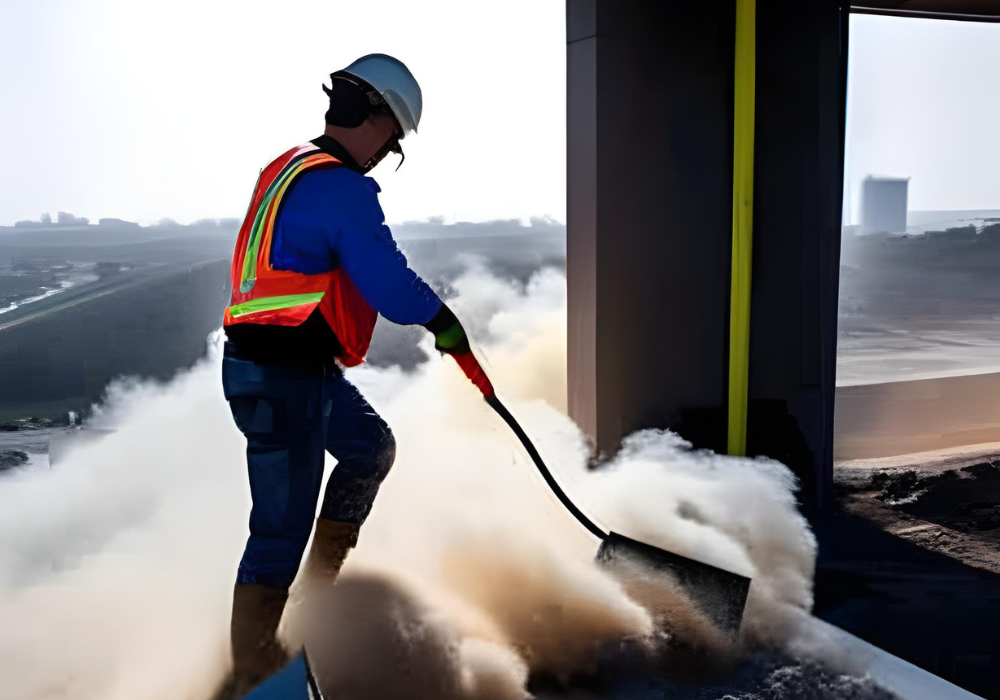
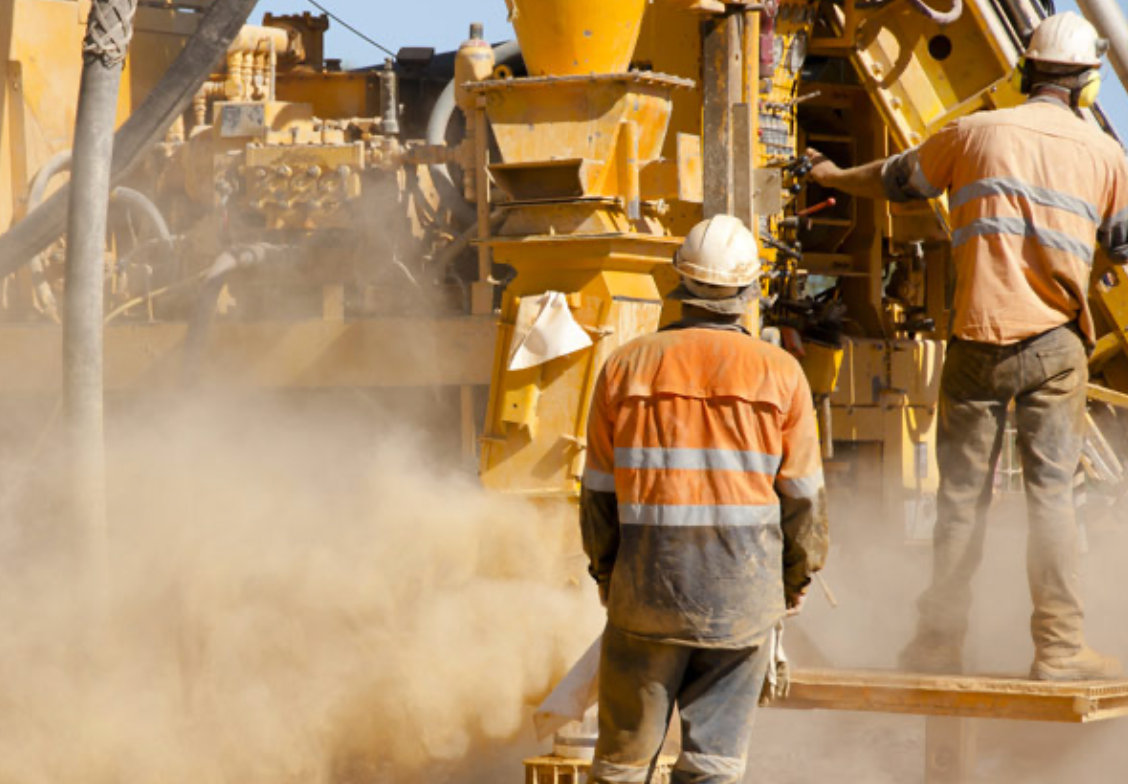
Construction dust is a silent, sometimes invisible killer that can have devastating long-term effects on your health and the health of your workers. Every week, construction workers die from lung diseases caused by dust exposure, while many others suffer from chronic lung conditions.


Don't repeat the mistakes of those who underestimated the risks and worked without proper protection. It's crucial to be fully aware of the dangers and take proactive measures to ensure the safety of everyone on your team.


HSE Targets Construction Workers' Lung Health


Learn more about the Health and Safety Executive's (HSE) nationwide inspection campaign focused on respiratory health in the construction industry. Visit the HSE targets construction workers' lung health with the nationwide inspection campaign page for valuable insights. [Link: https://workright.campaign.gov.uk/hse-targets-construction-workers-lung-health-with-nationwide-inspection-campaign/]


Access Free Resources


To help you and your colleagues stay safe, we have created campaign pages and resources. Download our information sheet and 'What to Do as a Busy Builder' guide to learn essential safety practices and share them with your team. Together, you can discuss and implement measures to protect everyone's wellbeing. [Download Link: https://workright.campaign.gov.uk/download/5976/?tmstv=1688111812]


Understanding the Lethal Nature of Dust


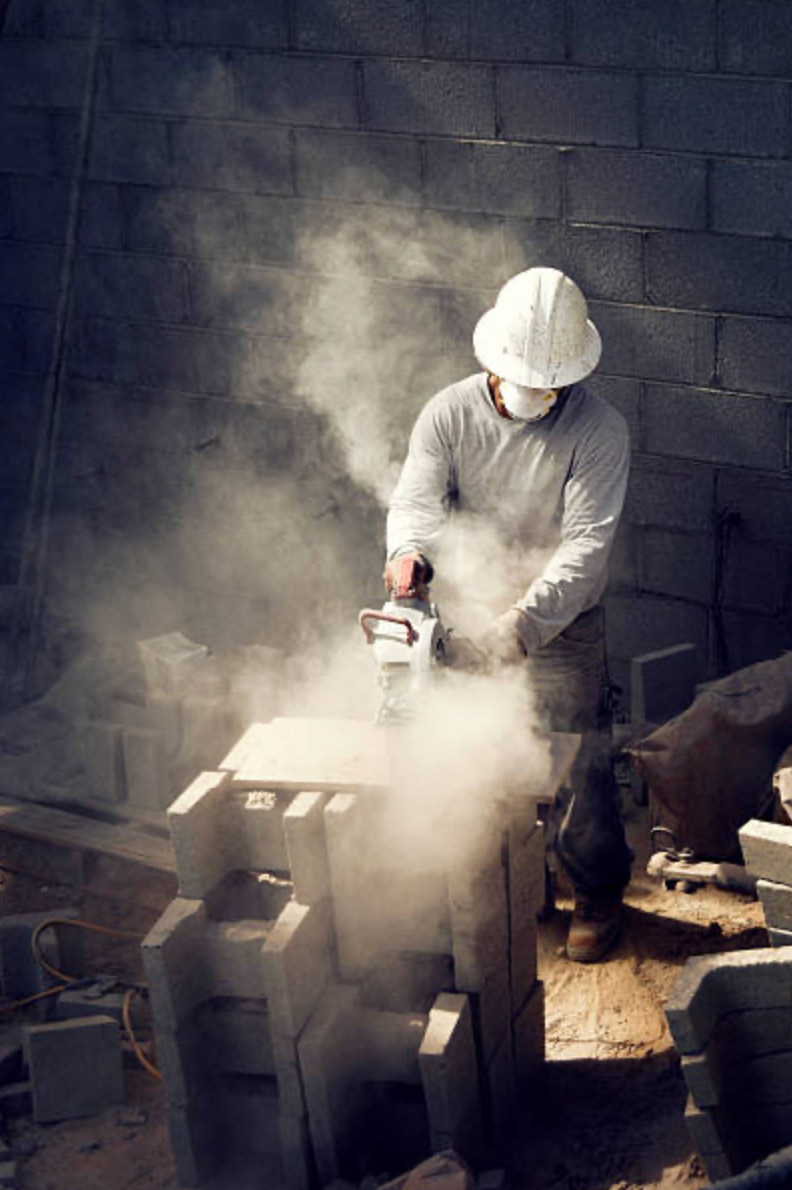
Dust particles can be minuscule, up to 100 times smaller than a grain of sand. Even though they are invisible, they can be inhaled, causing damage to your lungs. Exposure to dust can lead to severe breathing difficulties and debilitating lung diseases that can have long-lasting consequences, including premature death.


Remember, the effects of dust exposure may take years to manifest, making early prevention crucial. Ensure you stay well-informed about the risks involved and give utmost priority to safeguarding your lung health. This can be achieved by consistently prioritising safety practices in your work.
Introducing the Dust Kills Campaign


The Dust Kills campaign is an initiative by the Health and Safety Executive (HSE), the national regulator for workplace health and safety in Britain. HSE is dedicated to improving the health of construction workers and has partnered with various organisations, including Working Well Together, Health in Construction Leadership Group, Civil Engineering Contractors Association (CECA), Construction Leadership Council, and Construction Industry Training Board (CITB). Together, we strive to raise awareness and protect workers from the hazards of construction dust.


Prioritise Lung Health, Save Lives


Your lung health and that of your workers should always be a top priority. By understanding the risks, accessing resources, and implementing preventive measures, we can create a safer construction industry and prevent the tragic consequences of dust exposure.


Book Your Air Quality Assessment


To book an air quality assessment for your workplace, contact Ultra today. We will carry out a full site air quality risk assessment, and provide helpful advice and solutions for your building. 


Related Articles:

The Impact of Poor Air Quality on Yours & Others' Health

Everything You Need to Know About Air Quality Management Assessments

Air Quality for Commercial Properties


Contact Us
By Ultra Protect • September 22, 2026
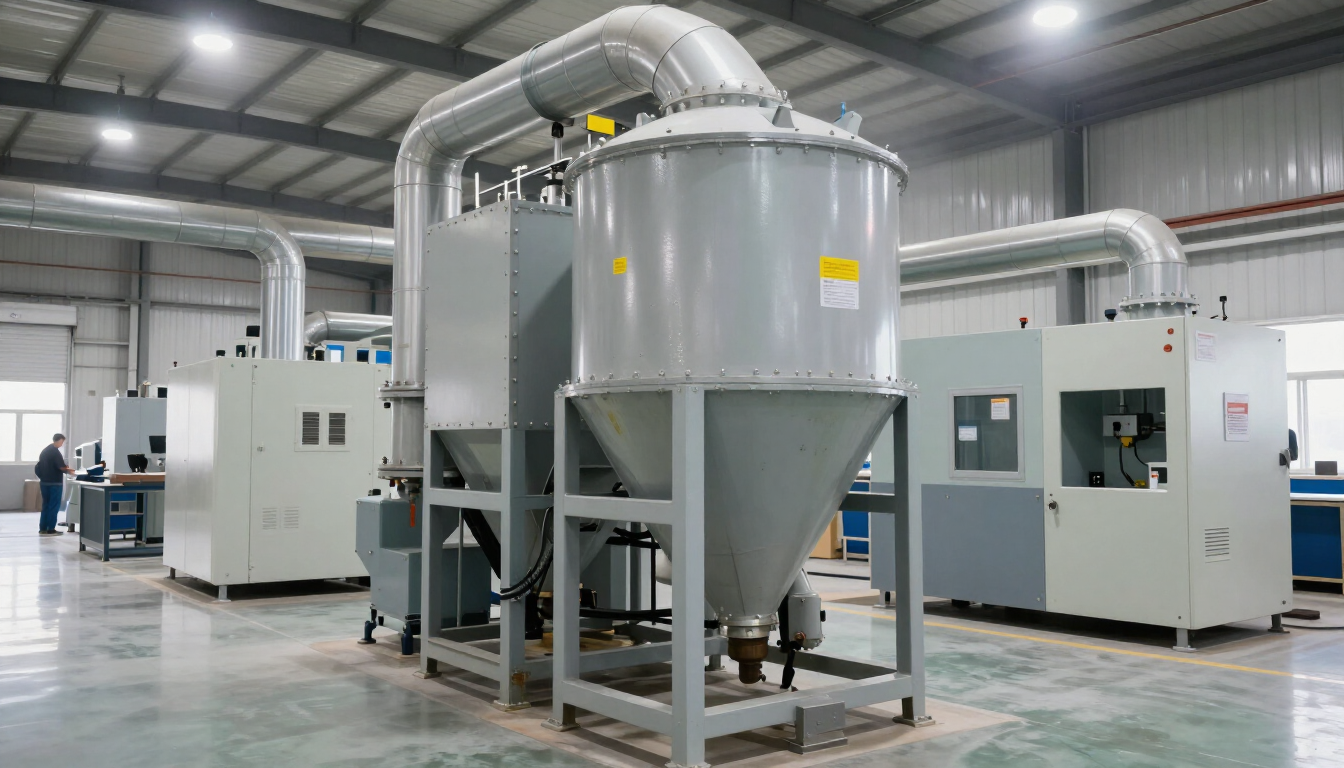
Discover what a dust extraction system is, how it works, and whether fixed or mobile extraction suits your business. A practical guide from Ultra Protect.
Close-up of gray gravel stones filling the frame
By Andy Potter • September 7, 2026
If you're responsible for health and safety in your workplace, you've probably encountered the terms "workplace exposure level," "TWA," and "STEL." But what do they actually mean, and why do they matter for dust management? The simple answer: these are legal limits set by the Health and Safety Executive (HSE) to protect workers from harmful dust exposure. If you're not monitoring them, you're flying blind and potentially breaking the law. What is Workplace Exposure Level? A workplace exposure level (WEL) is the maximum amount of a harmful substance that a worker can be exposed to during their working day without suffering adverse health effects. For dust, it's measured in milligrams per cubic metre of air (mg/m³). The HSE sets these limits based on scientific evidence about how different dust types affect human health. Different dusts have different exposure limits because they pose different risks. For example, the WEL for respirable crystalline silica is far stricter than for general inert dust, because silica is significantly more harmful to the lungs. Think of it this way: the WEL is your compliance baseline. However, being below a WEL does not by itself discharge the COSHH duty. Download the HSE's guidance on workplace exposure limits If you want to understand the levels in your workplace contact us about our silica air sampling services TWA: The 8-Hour Average TWA stands for Time-Weighted Average, and it's the most commonly referenced exposure limit. The TWA measures the average concentration of a substance over a standard 8-hour working day. Here's why that matters: dust exposure isn't constant. Workers might face high concentrations during certain activities (cutting, grinding, demolition) and lower concentrations during others. The TWA accounts for these fluctuations by averaging them out over the full shift. This recognises that workers can tolerate brief periods of higher exposure, provided the average stays within acceptable limits. For example, the current WEL for respirable crystalline silica is 0.1 mg/m³ as an 8-hour TWA. This means that if a construction worker is grinding stone for part of their shift but doing lower-dust tasks for the rest, the daily average should not exceed this level. The advantage of TWA is that it's practical for real-world work. Few jobs maintain constant dust levels. The disadvantage is that it can mask dangerous peaks, if a worker is exposed to very high concentrations for a short period, the TWA might still look acceptable. STEL: The Short-Term Exposure Limit STEL stands for Short-Term Exposure Limit, and it's your safety net for peak exposures. A STEL is the maximum concentration a worker should experience during any 15-minute period in a working day, and no more than four such periods should occur, with at least 60 minutes between them. The STEL exists precisely because the TWA can obscure dangerous peaks. Imagine a worker exposed to very high silica dust for 15 minutes whilst cutting stone, then lower levels for the rest of the day. The TWA might be within limits, but those 15 minutes could still cause significant lung damage. There should be a maximum of 4 STEL's in a single working day and there must be at least 60-minutes between each STEL period. Not all dusts have a STEL, but those that do (like respirable crystalline silica) reflect a recognition that short, intense exposures carry genuine health risks that the 8-hour average doesn't capture. Reducing personal exposure to inhalable dust with Cleanspace Respirators